Algeria
 Egypt
 Libya
 Morocco
 Sudan
 Tunisia
 Benin
 Burkina Faso
 Cabo Verde
 Côte d'Ivoire
 Ghana
 Guinea
 Guinea-Bissau
 Liberia
 Mali
 Mauritania
 Niger
 Nigeria
 Sierra Leone
 The Gambia
 Togo
 Cameroon
 Central African Republic
 Chad
 DR Congo
 Equatorial Guinea
 Gabon
 Republic of the Congo
 São Tomé and Príncipe
 Burundi
 Comoros
 Djibouti
 Eritrea
 Ethiopia
 Kenya
 Madagascar
 Malawi
 Mauritius
 Mozambique
 Rwanda
 Seychelles
 Somalia
 South Sudan
 Tanzania
 Uganda
 Angola
 Botswana
 Eswatini
 Lesotho
 Namibia
 South Africa
 Zambia
 Zimbabwe
A separation should never become a threat to life. In Dakar, the death of Astou Pierre after an acid attack allegedly carried out by her former partner has revived an urgent question: how can women be protected before violence becomes irreversible ?
A case that raises questions about victim protection
Astou Pierre, 40, was attacked at her workplace in the Amitié 3 area of Dakar in June 2026. She died on 1 October, after several months of treatment. Senegalese media report that the attack was allegedly carried out by her former partner. His responsibility must be established by the investigation and the courts.
Published accounts of her medical treatment differ on some details. They agree, however, on the severity of her injuries, her lengthy hospitalisation and her death in the autumn. The suspect was still being sought at the time of the October mobilisations. Information about his whereabouts circulated in the media, but the sources consulted had not confirmed an arrest.
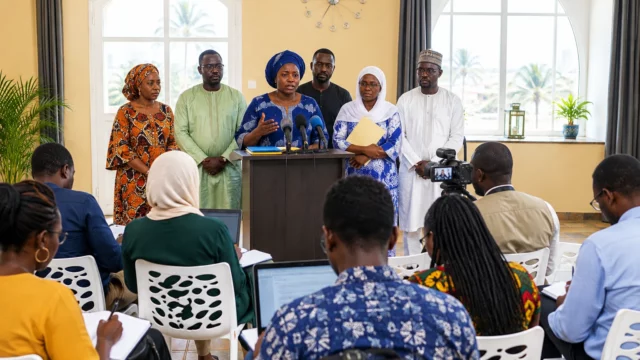
On 16 October, people gathered under the banner of the Justice for Astou Pierre collective marched in Grand Dakar. They called for the investigation to reach its conclusion and for greater efforts to combat violence against women. The mobilisation gave public expression to the grief of her loved ones, as well as to a concrete demand: that warnings and threats should trigger effective protection.
A criminal framework that does not solve everything
In Senegal, the law already criminalises several forms of violence. A 2020 law criminalised rape and paedophilia. Other criminal provisions set penalties for assault and battery, with aggravating circumstances in some cases. The country has also ratified the Maputo Protocol, an African Union text devoted to women’s rights.
The call to explicitly include femicide in legislation points to a separate issue: naming gender-related killings of women and gender-based violence, and documenting them more effectively. Such recognition would not replace investigations or prosecutions. It could help bring patterns of violence to light and guide prevention efforts. But a new legal classification alone guarantees neither a rapid response nor sustained support.
In the case of Astou Pierre, the immediate priorities remain establishing the facts, locating the suspect and examining any prior warnings. The circumstances of the attack and her death must be established by the competent authorities. Verified information must also be distinguished from reported testimony, so that legitimate emotion does not take the place of judicial process.
Prevent, protect, support
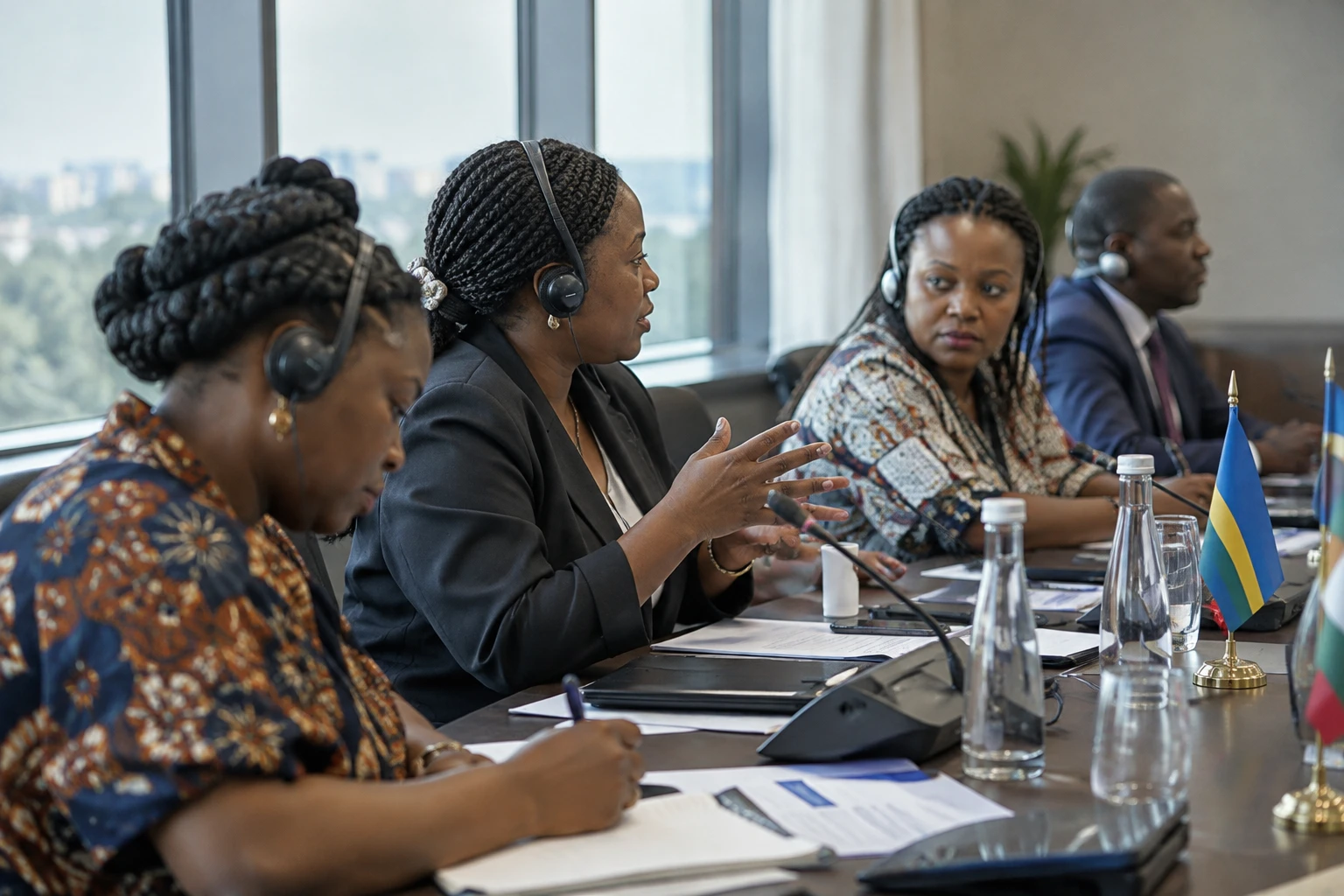
Prevention depends on several links in the chain. A person reporting threats must be able to be heard, referred to the right services and protected. That requires accessible services, clear procedures and coordination between the police, courts, health services and support organisations. Follow-up must also take material realities into account: housing, income, dependent children and the ability to leave a dangerous environment.
These obstacles are not experienced in the same way everywhere. In Dakar, the proximity of services does not necessarily mean they are easy to access or coordinated. In other regions, distances, travel costs and a lack of specialised services can make it harder to seek help. For women working in the informal economy, taking time off, filing a complaint or moving can also put already precarious incomes at risk.
Medical care after an acid attack is another challenge. Such injuries can require lengthy, specialised treatment, as well as psychological and social support. Astou Pierre’s experience is a reminder that protection does not end when a complaint is filed or a patient leaves hospital. It requires ongoing follow-up tailored to each victim’s circumstances.
A national and regional responsibility
Senegal is a member of ECOWAS, the Economic Community of West African States. Efforts to combat violence against women are also part of regional and continental commitments, including those championed by the African Union. These frameworks provide common reference points. Their impact, however, depends on the resources allocated to national institutions and the practical implementation of the rules.
The issue therefore goes beyond a debate over a word. Recognising femicide in law can improve statistical visibility and strengthen the criminal justice response, if accompanied by resources, training and protection mechanisms. Across West Africa, victims and suspects may also cross borders, making judicial cooperation essential, in accordance with each country’s procedures.
For Astou Pierre’s family, the priority remains establishing the circumstances of her death and ensuring that justice takes its course. For Senegalese authorities, the mobilisation raises a public policy question: how can outrage be turned into measures that identify danger, protect victims and make it possible to assess results ? The impact of this case will be determined at every level, from neighbourhoods to regional institutions.