Algeria
 Egypt
 Libya
 Morocco
 Sudan
 Tunisia
 Benin
 Burkina Faso
 Cabo Verde
 Côte d'Ivoire
 Ghana
 Guinea
 Guinea-Bissau
 Liberia
 Mali
 Mauritania
 Niger
 Nigeria
 Sierra Leone
 The Gambia
 Togo
 Cameroon
 Central African Republic
 Chad
 DR Congo
 Equatorial Guinea
 Gabon
 Republic of the Congo
 São Tomé and Príncipe
 Burundi
 Comoros
 Djibouti
 Eritrea
 Ethiopia
 Kenya
 Madagascar
 Malawi
 Mauritius
 Mozambique
 Rwanda
 Seychelles
 Somalia
 South Sudan
 Tanzania
 Uganda
 Angola
 Botswana
 Eswatini
 Lesotho
 Namibia
 South Africa
 Zambia
 Zimbabwe
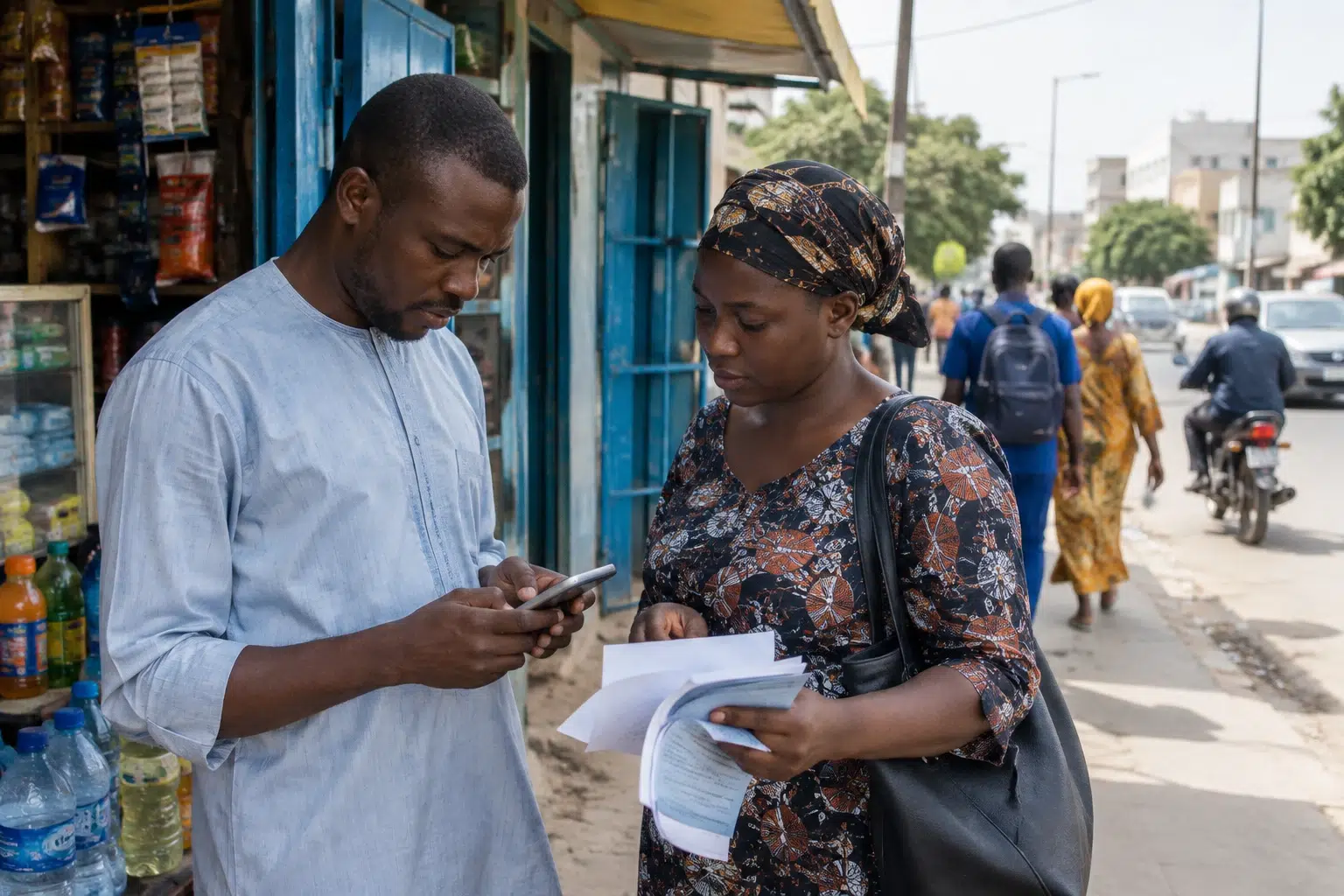
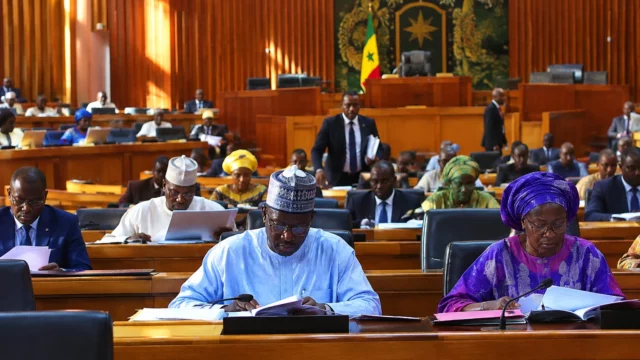
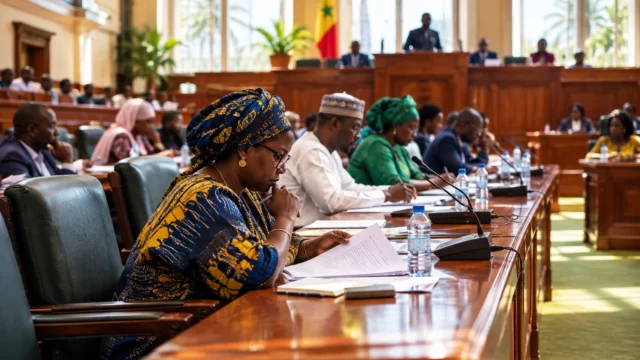
A disagreement over debt can now have a direct bearing on Senegalese household budgets. In Dakar, the state’s financing choices have entered parliamentary debate, with one central question: should debt treatment be negotiated under the G20 framework, or should another route be sought to protect public spending?
Heavy debt, contested budgetary room for manoeuvre
Senegal is approaching this debate after an upward revision of its public accounts. Debt was estimated at 132% of gross domestic product at the end of 2024, according to figures cited in reports on the country’s financial situation. The level, revealed after earlier data were reassessed, has complicated access to new financing and relations with the International Monetary Fund (IMF).
On 1 September 2026, the government announced a staff-level agreement with the IMF, paving the way for a $2.2 billion programme over three years. It also launched the Senegal Debt Treatment Plan, or PTDS, which is intended to reorganise the repayment profile and create room for public investment. The staff-level agreement does not, in itself, mean that all the funds have already been disbursed.
The plan is expected to rely on the G20 Common Framework, a mechanism launched in 2020 to coordinate discussions between debtor countries and public creditors, with the aim of involving private creditors as well. It is not an institution that automatically wipes out debt. The terms depend on negotiations and the treatment afforded to different creditors.
Sonko challenges the method and its political cost
On Monday 19 October, in Dakar, Ousmane Sonko criticised the decision to use this mechanism. The president of the National Assembly and leader of Pastef argued that Senegal could limit itself to reprofiling — rearranging repayment dates without reducing the amount owed. “Senegal did not need to be the first guinea pig,” he said, according to reports of his press conference.
Sonko says the approach could come with conditions that are difficult for the country. He links this concern to the 2026 and 2027 finance bills, which he considers too restrictive for investment and social policies. He warned that MPs from his camp could reject the bills if they remain unchanged, while saying he remains open to dialogue.
The criticism also reflects a political disagreement between Sonko and President Bassirou Diomaye Faye, his former ally. It does not, however, in itself represent the state’s official position on every aspect of the negotiations. In January 2026, the Senegalese Press Agency reported that Sonko, then prime minister, was publicly arguing that debt could be managed without restructuring. The situation has since evolved with the launch of the PTDS and the staff-level agreement reached with the IMF in September.
The budget debate goes beyond the figures
The disagreement concerns how the burden should be shared. For the government, rearranging repayment dates could help restore debt sustainability and fund national priorities. For Sonko, using the Common Framework risks narrowing the available options and shifting part of the cost on to Senegalese people, particularly if social spending or subsidies are cut.
The consequences would not be the same everywhere. Cuts to fuel or electricity subsidies can weigh on household budgets, as well as transport and business costs. The effects can feed through into the prices of goods and hit informal businesses and people living far from Dakar more directly. Conversely, if debt-service costs absorb too large a share of public revenue, the state has fewer resources to invest in services and infrastructure.
Concerns about the length of negotiations also have a regional basis. Previous debt treatments in Chad, Ghana, Zambia and Ethiopia have shown that coordinating creditors with different interests can take time. The Common Framework is specifically intended to organise these discussions, but it guarantees neither a swift conclusion nor the same outcome from one country to another.
Implications for West Africa and beyond
The case will be closely watched across ECOWAS, the Economic Community of West African States, where regional financial markets play an important role in funding governments. A debt-treatment strategy can influence the terms on which Senegal borrows in the region and, more broadly, perceptions of risk in neighbouring economies. This does not mean that other countries will automatically follow the same path: their debt, creditors and policy choices differ.
At continental level, the Senegalese case has brought renewed attention to a question raised by several African governments: how can viable financing terms be secured without compromising investment and public services? The G20, where the African Union has held permanent membership since 2023, is one of the forums where this debate is taking place, but concrete decisions remain tied to negotiations specific to each country.
What happens next will depend on discussions with creditors, commitments linked to the IMF programme and MPs’ consideration of the finance bills. For Senegalese people, the key indicator will not be only the repayment schedule: it will also be how budget choices distribute the burden among the state, creditors, businesses and households.
To understand the announced decisions, see the Senegalese government’s note on the agreement with the IMF, the Senegalese Press Agency’s coverage of Sonko’s position and the report on the budget debate of 19 October.