Algeria
 Egypt
 Libya
 Morocco
 Sudan
 Tunisia
 Benin
 Burkina Faso
 Cabo Verde
 Côte d'Ivoire
 Ghana
 Guinea
 Guinea-Bissau
 Liberia
 Mali
 Mauritania
 Niger
 Nigeria
 Sierra Leone
 The Gambia
 Togo
 Cameroon
 Central African Republic
 Chad
 DR Congo
 Equatorial Guinea
 Gabon
 Republic of the Congo
 São Tomé and Príncipe
 Burundi
 Comoros
 Djibouti
 Eritrea
 Ethiopia
 Kenya
 Madagascar
 Malawi
 Mauritius
 Mozambique
 Rwanda
 Seychelles
 Somalia
 South Sudan
 Tanzania
 Uganda
 Angola
 Botswana
 Eswatini
 Lesotho
 Namibia
 South Africa
 Zambia
 Zimbabwe
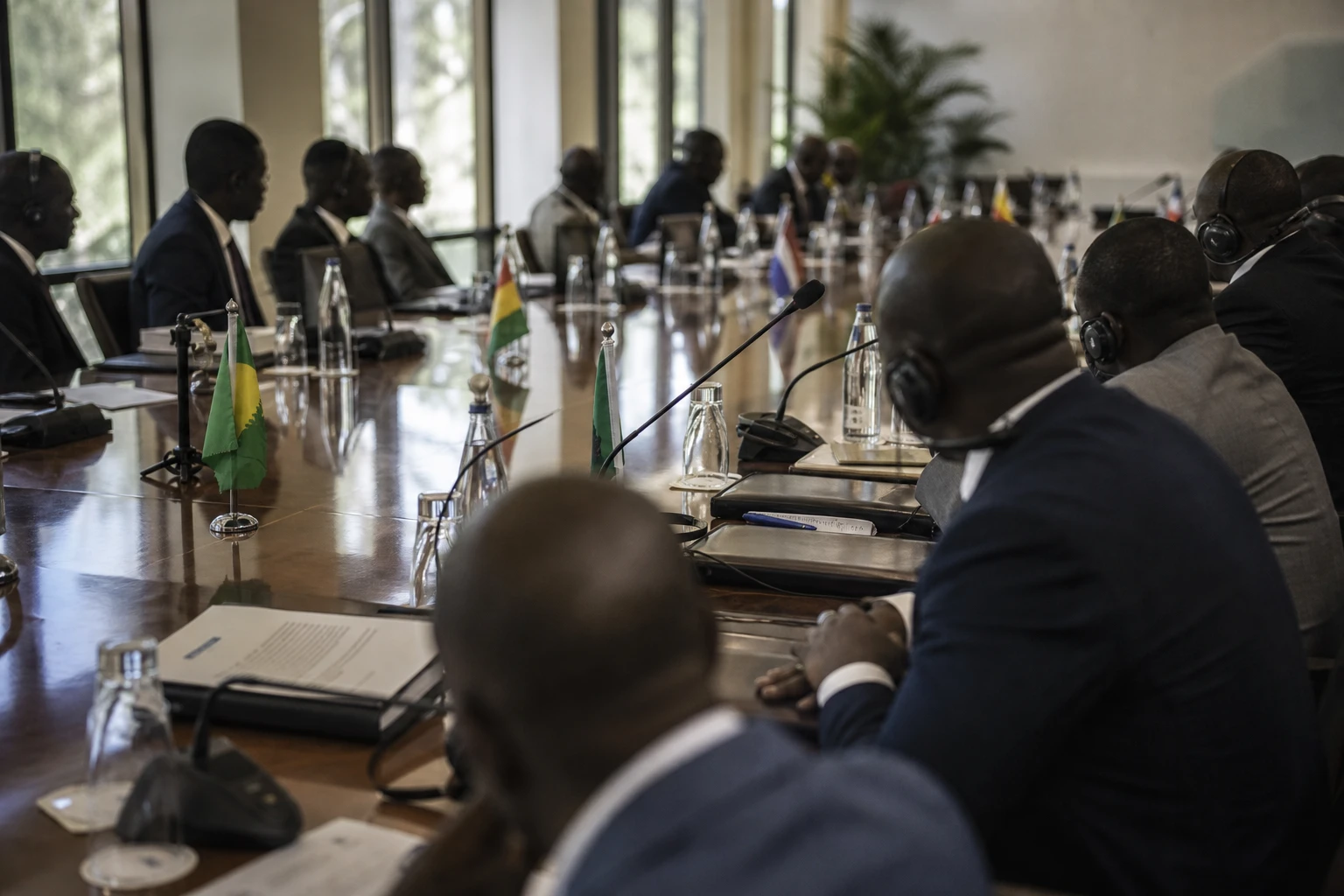
A transparency test that goes beyond elected officials
In Senegal, asset declarations are no longer just words on paper. They are becoming a public test of credibility for the state, its ministers and its civil servants, in a country where the demand for probity now carries as much weight as promises of reform. The exercise also affects the image of institutional Dakar, watched by citizens as well as investors and business partners.
This process is part of a broader framework. The National Office for the Fight against Corruption was reorganised by the 2025 law, while the law on asset declarations strengthened its powers of oversight and publication. At continental level, Senegal is operating within a requirement already set out by the African Union, whose convention against corruption calls on states to prevent, detect and combat the scourge.
Ministers comply, hundreds of civil servants still to file
On 12 August 2026, OFNAC made public two provisional lists: one of people who had complied and one of those in default. The deadline set by the institution ran until 31 July 2026. According to a statement reported by the Senegalese press, more than 3,000 people were required to file, and 56% had declared their assets by that date.
At the top of the state apparatus, the signal is clear. All government ministers are reported to be in compliance, as is the president of the National Assembly, Ousmane Sonko. However, the provisional list includes hundreds of civil servants from a range of backgrounds. OFNAC cites, in particular, 252 people in default at the Ministry of the Interior and 247 at the Ministry of the Economy. These figures remain provisional, as those concerned can still regularise their situation before the final list is issued.
The exercise is not being improvised. At the end of June, OFNAC had already warned that those required to file who failed to do so by 31 July would face the penalties provided for by law, regardless of rank or position. The office’s president, Moustapha Ka, had stressed at the time that the deadline was firm.
The force of the rules and the political significance of publication
Publication of a provisional red list changes the nature of oversight. It is no longer limited to an internal check. Compliance by public officials is now placed before public opinion, in a country where transparency has become a political marker in its own right. The 2024 law also provides for OFNAC to publish periodically, by any appropriate means, the list of those required to file who are in default.
The institution’s message points in the same direction. Moustapha Ka says the exercise is not about informing on people, but should reassure citizens and economic actors. The idea is simple: show that Senegalese public servants uphold probity in order to encourage trust. OFNAC also says it received an unprecedented volume of files, recording 1,023 declarations in 2026, of which 816 were received in July alone. The contrast with 2024, when the institution says it recorded 114 declarations, gives a sense of the change in scale.
This increase is not merely administrative. It says something about the balance of power between the demand for accountability and the habits of discretion that until recently surrounded decision-makers’ assets. For public administrations, it requires closer monitoring. For the civil servants concerned, it means more constraints and, ultimately, possible penalties ranging from salary deductions to a ban on working in the civil service, according to provisions cited by the Senegalese press and OFNAC.
The political context also matters. Since the change of government in 2024 and the reshaping of institutions, Dakar has sought to project more transparent governance. Asset transparency is therefore becoming a tool for setting standards, as well as a signal to the civil service, local authorities, the semi-public sector and the business community. The oversight is aimed first at decision-makers, but its effects extend across the entire administrative ecosystem.
What this says about Senegal and West Africa
At regional level, the issue resonates beyond Senegal. ECOWAS has long advocated standards of governance and transparency among its member states, even if national trajectories remain highly varied. In this context, Dakar is seeking to show that a West African state can enforce asset disclosure requirements for sensitive categories without waiting for a major scandal to act.
The continental significance is similar. The African Union Convention on Preventing and Combating Corruption does more than condemn the phenomenon. It urges states to build mechanisms for prevention, cooperation and integrity in public affairs. By publishing provisional lists, Senegal is embracing this approach to accountability, although its real effectiveness will depend on the quality of checks and the ability to enforce the penalties provided for.
The next key moment will be publication of the final list. That is when it will become clear whether the momentum announced by OFNAC is sustained or remains a one-off. For now, one fact stands out: in Dakar, asset transparency is no longer an abstract principle. It is becoming a concrete measure of public discipline, closely watched in the capital and across the country.