Algeria
 Egypt
 Libya
 Sudan
 Tunisia
 Benin
 Burkina Faso
 Cabo Verde
 Côte d'Ivoire
 Ghana
 Guinea
 Guinea-Bissau
 Liberia
 Mali
 Mauritania
 Niger
 Nigeria
 Senegal
 Sierra Leone
 The Gambia
 Togo
 Cameroon
 Central African Republic
 Chad
 DR Congo
 Equatorial Guinea
 Gabon
 Republic of the Congo
 São Tomé and Príncipe
 Burundi
 Comoros
 Djibouti
 Eritrea
 Ethiopia
 Kenya
 Madagascar
 Malawi
 Mauritius
 Mozambique
 Rwanda
 Seychelles
 Somalia
 South Sudan
 Tanzania
 Uganda
 Angola
 Botswana
 Eswatini
 Lesotho
 Namibia
 South Africa
 Zambia
 Zimbabwe
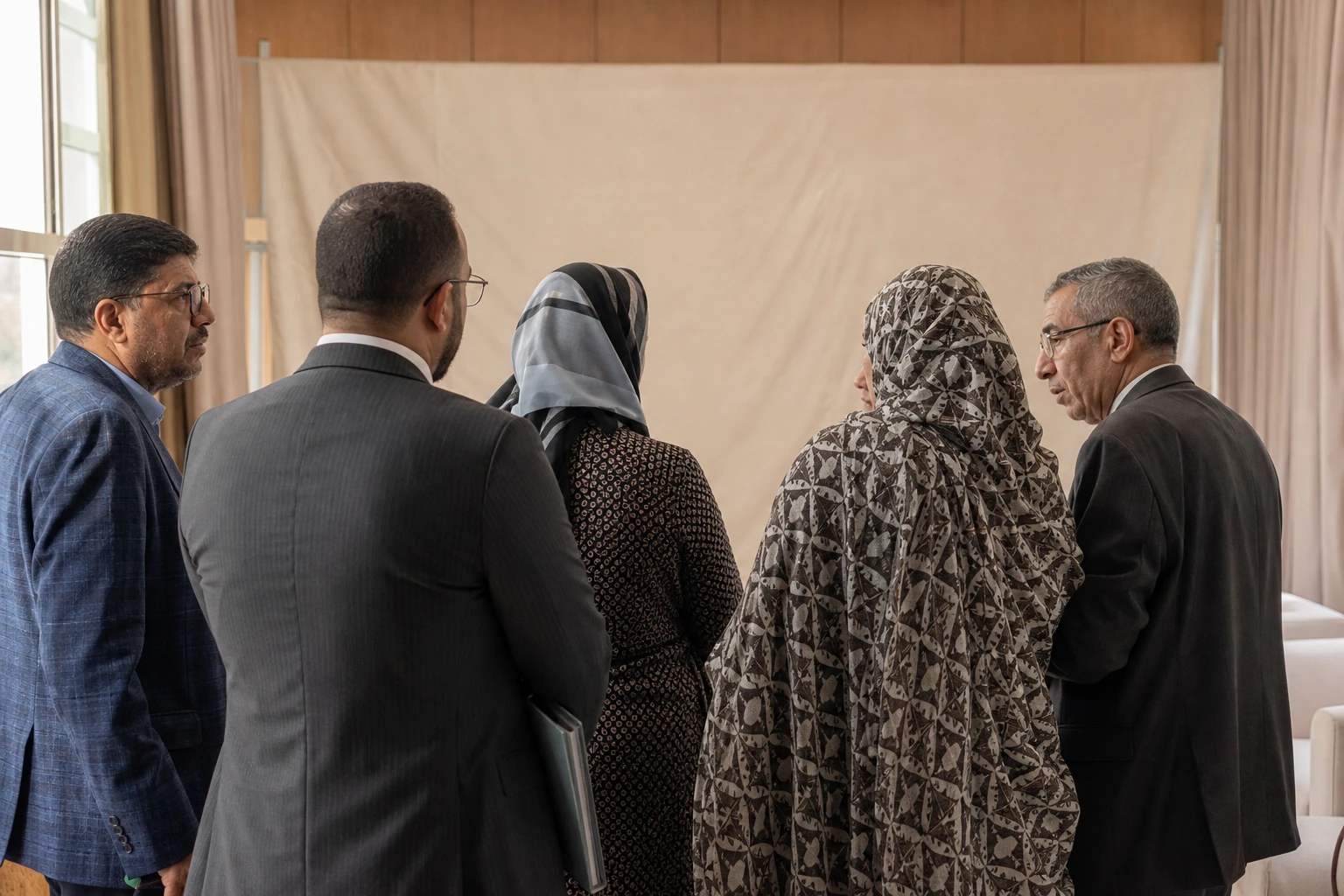
A collective mobilisation in Moroccan prisons has brought the case of the Gdeim Izik Sahrawi detainees back into focus. Nine of them, including Naâma Asfari, announced an indefinite hunger strike on 23 September 2026. They are calling, in particular, for closer proximity to their families and for commitments made after an earlier protest to be fulfilled.
A call focused on families and detention conditions
The protest involves detainees held in the prisons of Kenitra, Tiflet and Aït Melloul. According to a statement carried by the Sahrawi news agency SPS and support groups, the hunger strikers are demanding better visiting and communication arrangements, as well as improved access to healthcare.
They are also seeking transfer to prisons closer to their relatives. This demand has a concrete dimension in a case in which those convicted are serving lengthy sentences far from Western Sahara, where their families live.
The detainees say that commitments referred to after Naâma Asfari’s previous hunger strike have not been implemented. The activist suspended his protest on 24 July 2026, after 47 days according to SPS, following a dialogue with the Moroccan prison administration.
The General Delegation for Prison Administration and Reintegration, however, offers a different account. According to the version reported in the available material, it recorded six strike notifications on 23 September, compared with the nine detainees announced by their supporters. This discrepancy has not been publicly explained in the material consulted.
The administration cites the classification of prison facilities. It says that prisons in Western Sahara are not authorised to hold detainees serving long sentences. One member of the group is said to have been transferred to Laayoune, but the criteria for that decision have not been detailed.
A case rooted in the 2010 camp
The Gdeim Izik group takes its name from a camp set up near Laayoune in October 2010. Thousands of Sahrawis were protesting against their economic and social marginalisation. The camp’s dismantling on 8 November 2010 was followed by clashes.
Naâma Asfari was arrested the day before in Laayoune. Tried by a military court in 2013 and then by a civil court in 2017, he was sentenced to 30 years in prison. The sentences imposed on the other members of the group range from 20 years to life imprisonment.
The detainees’ supporters challenge the fairness of these proceedings. In 2016, the United Nations Committee against Torture concluded that Morocco had violated the Convention against Torture in Asfari’s case. The Committee noted, in particular, the lack of an investigation into his allegations and the use of confessions that he said he had signed under duress.
In 2023, the United Nations Working Group on Arbitrary Detention examined the cases of 18 people linked to the case, including Naâma Asfari and Mohamed Bourial. In its Opinion No. 23/2023, it called for remedial measures, including the release of the detainees concerned and an independent investigation. The UN Working Group’s opinion is, however, an assessment by a UN mechanism, not a judgment handed down by a Moroccan court.
A fresh ordeal for Naâma Asfari
For Naâma Asfari, the September mobilisation comes just weeks after a hunger strike that began on 8 June 2026. He suspended it on 24 July after talks with the prison administration. His supporters say the suspension was based on commitments relating to family proximity and detention conditions.
The International Federation for Human Rights said the June strike was aimed, in particular, at securing the implementation of the 2023 UN opinion, as well as protecting his physical integrity and ensuring access to healthcare. Front Line Defenders, meanwhile, had raised the alarm over the deterioration in his health and noted that he had staged several short protests in May 2026.
The September strike is therefore not solely about the prisoners’ geographical transfer. It also concerns trust between the detainees and the administration, and the practical follow-through on commitments announced during previous discussions.
The regional context remains dominated by the Western Sahara conflict
The prison case is set against the political conflict over Western Sahara. Morocco backs an autonomy plan under its sovereignty. The Polisario Front, for its part, calls for the self-determination of the Sahrawi people and supports the option of independence.
The issue also pits Rabat against Algiers. Algeria hosts Sahrawi refugees in the Tindouf camps and provides political support to the Polisario Front. This rivalry weighs on the Maghreb and has blocked efforts for years to revive the Arab Maghreb Union, a regional organisation created to promote co-operation among its five members.
The UN Mission for the Referendum in Western Sahara, MINURSO, monitors the ceasefire and supports the political process. Its mandate still contains no independent human rights monitoring mechanism. Security Council Resolution 2797 extended the mission until 31 October 2026 and placed discussions on Morocco’s autonomy plan at the centre of negotiations.
This diplomatic direction does not resolve the detainees’ case. It may even sharpen the contrast between Morocco’s position gaining ground in some international forums and the continued Sahrawi demands concerning trials, detention conditions and the territory’s political status.
A case that extends beyond prison walls
The strike comes as the Security Council is due to consider renewing MINURSO’s mandate before 31 October 2026. It therefore draws attention to an aspect rarely included in diplomatic discussions: the situation of prisoners and families’ access to detainees.
For Rabat, the case concerns internal judicial and prison decisions. For the detainees’ supporters, it is a human rights issue directly linked to the Western Sahara conflict. These two interpretations have clashed for several years, with no shared mechanism accepted by all parties to establish the facts.
What happens next will depend first on the hunger strikers’ health and the prison administration’s response. It will also depend on whether dialogue resumes over transfers, visits and healthcare. At the regional level, the case will remain tied to the UN-led negotiations and to the ability of Maghreb actors to prevent the human rights issue from being wholly subsumed by diplomatic confrontation.