
 Algeria
 Egypt
 Libya
 Morocco
 Sudan
 Tunisia
 Benin
 Burkina Faso
 Cabo Verde
 Côte d'Ivoire
 Ghana
 Guinea
 Guinea-Bissau
 Liberia
 Mali
 Mauritania
 Niger
 Nigeria
 Senegal
 Sierra Leone
 The Gambia
 Togo
 Cameroon
 Central African Republic
 Chad
 Equatorial Guinea
 Gabon
 Republic of the Congo
 São Tomé and Príncipe
 Burundi
 Comoros
 Djibouti
 Eritrea
 Ethiopia
 Kenya
 Madagascar
 Malawi
 Mauritius
 Mozambique
 Rwanda
 Seychelles
 Somalia
 South Sudan
 Tanzania
 Uganda
 Angola
 Botswana
 Eswatini
 Lesotho
 Namibia
 South Africa
 Zambia
 Zimbabwe
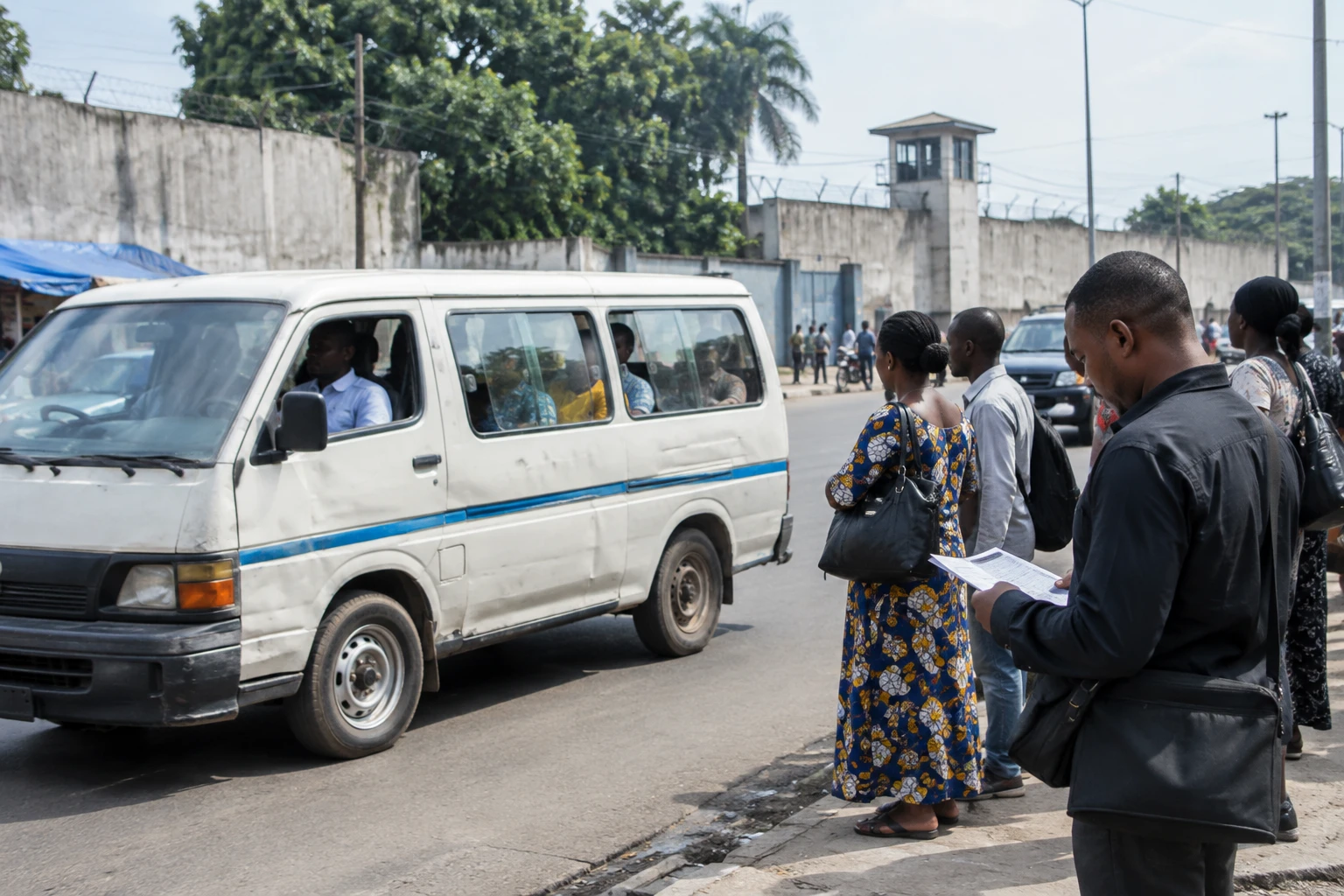
In Kinshasa, can a trial proceed when the defence says it did not receive the documents needed to prepare its response in time? The adjournment of Prince Epenge’s hearing has brought a practical question back to the fore: respect for procedural safeguards, while the opposition figure remains in detention.
A hearing focused on a decisive formality
The Kinshasa-Gombe peace court, sitting at Makala prison on 11 November 2026, did not examine the merits of the case. The hearing was adjourned until 25 November after the court found that the file did not contain the « exploit » required to formally notify the defence of the hearing.
This document establishes that the lawyers have been summoned and enables them to learn the charges so they can prepare their defence. According to reports by Congolese media, Prince Epenge’s lawyers challenged the way the notification had been made. The court adjourned the case rather than continue its examination in these circumstances.
Prince Epenge is president of the ADD Congo party and spokesperson for the opposition platform Lamuka, associated with Martin Fayulu. He is being prosecuted for « spreading false rumours ». This charge and the facts on which it is based must be examined by the courts; the opposition figure’s guilt has not been established.
Conflicting accounts of a party activist’s death
The accusation stems from Epenge’s statements after the death of Manassé Lomboto, described as an activist for his party. He died after events surrounding an opposition demonstration in Kinshasa on 15 September 2026.
Prince Epenge had said the activist was killed. The public prosecutor’s office maintains, according to information reported by the Congolese press, that the death was linked to an illness and says it is relying on medical evidence. These accounts remain distinct: the information available is not, by itself, enough to establish publicly the circumstances of the death.
Prudence is therefore essential. An accusation of spreading false information is not enough to establish that the statements in question were false. Conversely, a political leader’s statement is not, on its own, proof of the circumstances of a death. The case must be examined on the basis of verifiable evidence and tested by both sides.
Detention and access to medical care under scrutiny
Epenge has been held at Makala prison since late October, according to reports of the hearing. His lawyers have also reported that he is experiencing breathing difficulties and have asked for him to receive medical care. This information has been reported by the defence; it has not been independently confirmed here by medical records.
Detention increases the practical importance of these requests. For the defence, the immediate issue is having the time and documents needed to prepare the case, while also having a request for provisional release considered. For the accused, the question also concerns his care. For the court, the next hearing will need to allow proceedings to resume without prejudging their outcome.
The adjournment therefore decides neither the legality of the detention nor the merits of the accusations. It does, however, highlight the role of safeguards sometimes presented as mere formalities: being informed of the charges, being able to consult the case file and having sufficient time to prepare a response.
An issue of trust beyond Kinshasa
In the Democratic Republic of Congo, proceedings involving political figures are closely watched by parties, human rights organisations and citizens. The requirement for a fair trial does not depend on the accused’s political affiliation. It helps build trust in institutions, particularly when the parties already disagree over how events should be interpreted.
The regional significance lies less in this isolated hearing than in the question it raises: are judicial safeguards applied clearly and consistently? The DRC is a member of the Southern African Development Community (SADC) and the East African Community (EAC), two distinct regional organisations. Political disputes and attention to civil liberties therefore extend beyond national borders, although this episode does not support a general conclusion about the continent as a whole.
On 25 November, the hearing could resume with the identification formalities before consideration of the merits, if the procedure allows. The defence has said it intends to renew its application for provisional release. The points to watch are clear: proper notification of the parties, consideration of that application, the state of health reported by the lawyers and the evidence presented concerning Manassé Lomboto’s death.
MediaCongo Press’s report on the adjournment and Infos7’s account of the accusations and competing accounts of the death provide further insight into the case.



