Algeria
 Egypt
 Libya
 Morocco
 Sudan
 Tunisia
 Benin
 Burkina Faso
 Cabo Verde
 Côte d'Ivoire
 Ghana
 Guinea
 Guinea-Bissau
 Liberia
 Mali
 Mauritania
 Niger
 Nigeria
 Senegal
 Sierra Leone
 The Gambia
 Togo
 Cameroon
 Central African Republic
 Chad
 Equatorial Guinea
 Gabon
 Republic of the Congo
 São Tomé and Príncipe
 Burundi
 Comoros
 Djibouti
 Eritrea
 Ethiopia
 Kenya
 Madagascar
 Malawi
 Mauritius
 Mozambique
 Rwanda
 Seychelles
 Somalia
 South Sudan
 Tanzania
 Uganda
 Angola
 Botswana
 Eswatini
 Lesotho
 Namibia
 South Africa
 Zambia
 Zimbabwe
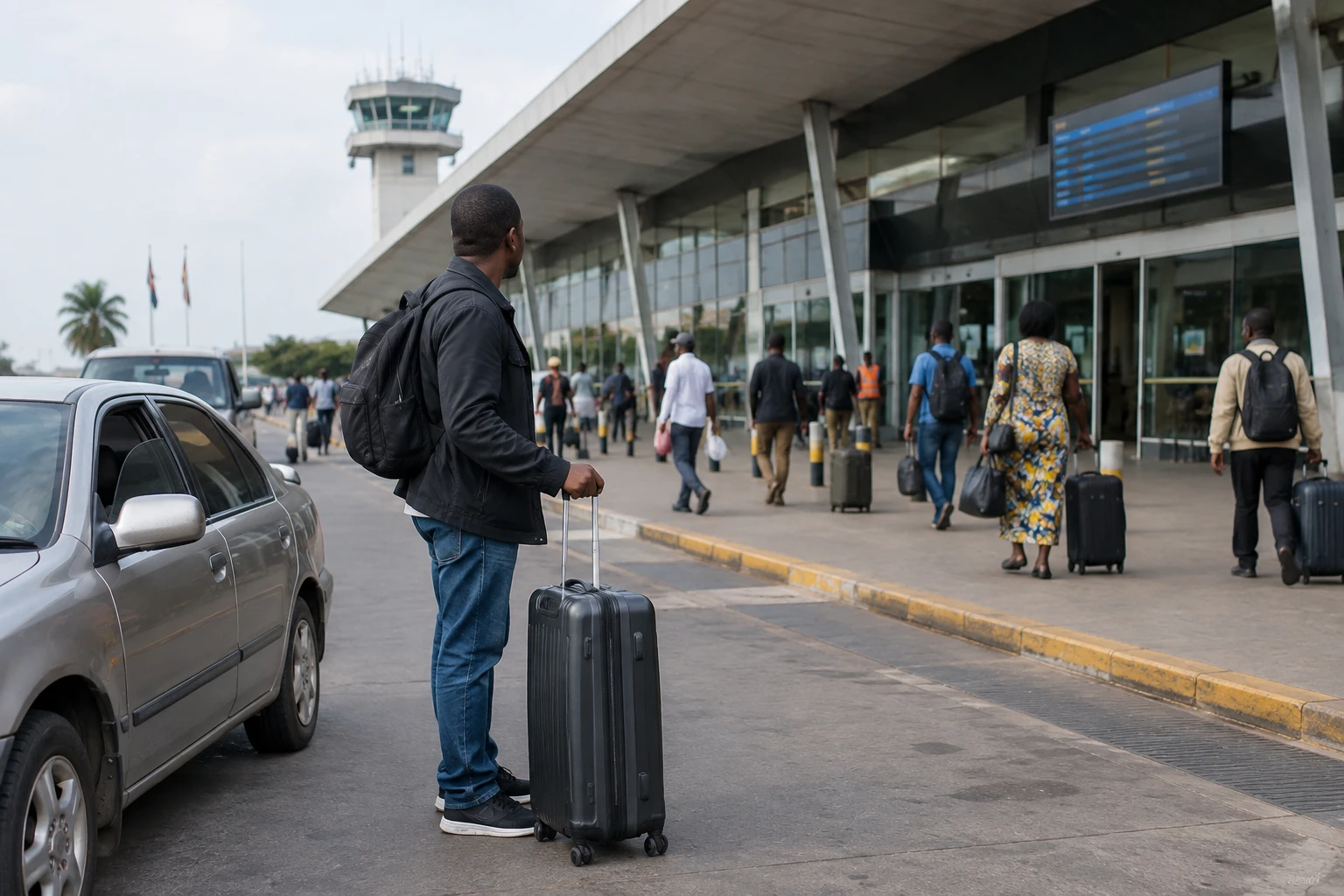
In Kinshasa, a travel ban has become a source of concern over the fate of a political figure. The Lamuka coalition says its spokesperson, Prince Epenge, was taken away after being stopped at N’djili airport, while his relatives do not know where he is.
Departure for Rome halted at N’djili
On Sunday 25 October 2026, Prince Epenge was due to travel to Rome for a meeting of the Coalition of Article 64, known as C64. The opposition platform had planned to discuss the main political issues facing the Democratic Republic of the Congo. Martin Fayulu and Jean-Baptiste Kasekwa were also among the figures initially subject to checks at the airport.
Reports published by several Congolese media outlets agree on one initial point: the Directorate General of Migration (DGM) held the passports of the three men at N’djili. Fayulu and Kasekwa were reportedly later given theirs back. Prince Epenge’s reportedly remained in the authorities’ hands, preventing him from boarding his flight. Digital Congo’s report on the passport being held and UNE.cd’s account describe this difference in treatment.
The DGM reportedly cited a judicial summons linked to the investigation into the death of Manassé Lomboto, a member of ADD Congo, the party led by Epenge. The opposition figure reportedly denied receiving the summons. Radio Okapi had reported that Lomboto died after being hospitalised following unrest during a C64 march in Kinshasa on 15 September. ADD Congo subsequently denounced the lack of progress in the investigation announced by the Ministry of Justice.
What happened next is less clear. Lamuka says unidentified people took its spokesperson to an unknown destination. The coalition is calling for confirmation of his place of detention, his release and the return of his passport. At this stage, the public information consulted does not independently confirm where Epenge is or who took charge of him. The authorities have not officially commented on these allegations in the available reports.
A judicial case, and the question of safeguards
The death of Manassé Lomboto gives the incident a specific judicial context. An investigation into the circumstances of his death may justify summonses and procedural measures. But an alleged summons alone is not enough to establish the reasons for restricting someone’s movement or depriving them of their liberty. Whether the measure was a lawful judicial action or a political obstruction depends on facts that the authorities must make verifiable.
The Congolese Constitution guarantees individual liberty and stipulates that any arrest or detention must be based on law. It also provides that an arrested person must be informed of the reasons and of their rights. These safeguards are particularly important when family members and associates say they do not know where the person concerned is being held. The DRC’s constitutional text sets out this framework, without prejudging what happened in this case.
For the authorities, the task is to clarify swiftly the legal basis for the measure, whether a summons exists and Epenge’s status. For Lamuka and its allies, the lack of information fuels fears of an extrajudicial arrest. For Congolese people following the case, the immediate question is a practical one: can the whereabouts of a political figure be established, and what safeguards are being applied to him?
A divided opposition faces restrictions
The Rome meeting comes amid a political landscape in which opposition groups are seeking to co-ordinate their positions on institutions, national dialogue and tensions over the Constitution. The absence of an expected spokesperson may affect discussions and reinforce suspicions of unequal treatment. However, it is not, on its own, grounds to conclude that the measure was intended to prevent the meeting from taking place.
The incident also affects political actors differently. Leaders have networks capable of quickly raising the alarm over a presumed detention. Less well-known activists often have fewer contacts to help obtain information about their situation. In this case, Lamuka also says its spokesperson was deprived of his usual medication. That claim, which has not been independently confirmed in the sources consulted, makes it all the more urgent to clarify his place of detention.
The DRC is a member of the Southern African Development Community (SADC), a regional organisation whose aims include peace, security and democratic governance. The official list of SADC member states places the DRC within this regional bloc. The Epenge case is not a regional issue in itself, but respect for democratic safeguards remains a concern beyond national borders.
Next step: establish the facts
The next decisive developments will be official confirmation of Prince Epenge’s whereabouts, disclosure of the reasons for any measure taken against him, and clarification of what has happened to his passport. It will also be necessary to distinguish established facts at the airport from allegations that he was transferred to an unknown location. Until these details have been verified, the alleged abduction must remain attributed to Lamuka, rather than presented as definitively established fact.
How Kinshasa responds to these questions will affect trust between the institutions and the opposition. At a time when several actors are calling for political dialogue, transparency about judicial procedures is an immediate test, both for the people concerned and for ordinary citizens.