
 Algeria
 Egypt
 Libya
 Morocco
 Sudan
 Tunisia
 Benin
 Burkina Faso
 Cabo Verde
 Côte d'Ivoire
 Ghana
 Guinea
 Guinea-Bissau
 Liberia
 Mali
 Mauritania
 Niger
 Nigeria
 Senegal
 Sierra Leone
 The Gambia
 Togo
 Cameroon
 Central African Republic
 Chad
 Equatorial Guinea
 Gabon
 Republic of the Congo
 São Tomé and Príncipe
 Burundi
 Comoros
 Djibouti
 Eritrea
 Ethiopia
 Kenya
 Madagascar
 Malawi
 Mauritius
 Mozambique
 Rwanda
 Seychelles
 Somalia
 South Sudan
 Tanzania
 Uganda
 Angola
 Botswana
 Eswatini
 Lesotho
 Namibia
 South Africa
 Zambia
 Zimbabwe
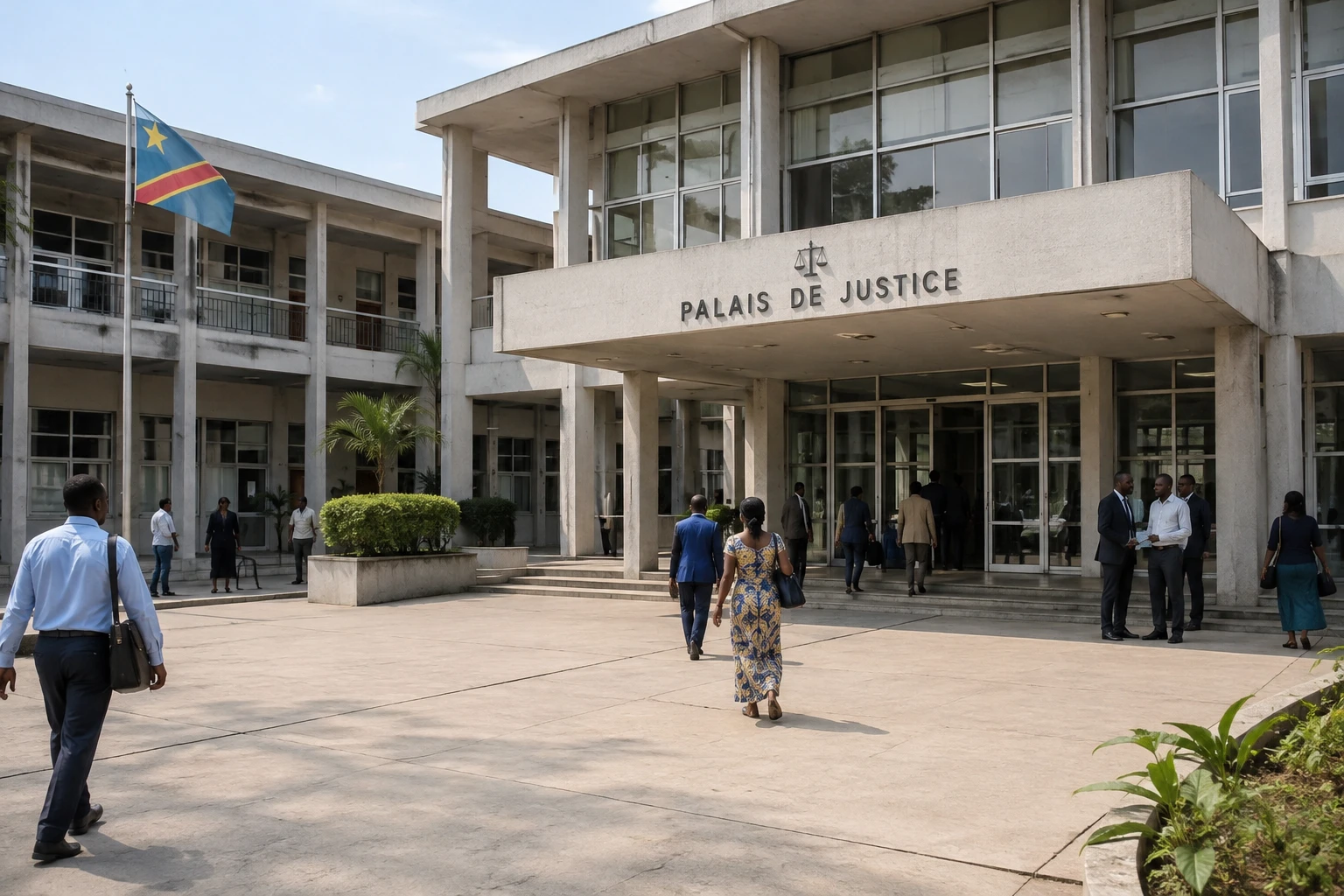
In Kinshasa, the detention of an opposition figure comes as the authorities promise to bring Congolese people together for a national dialogue. The case raises a practical question: how can political opponents be persuaded to take part in discussions when one of them is in prison and the circumstances of a death remain disputed?
An arrest on the eve of an opposition meeting
Prince Epenge, president of the Action for Democracy and Development of Congo (ADD Congo) party and spokesman for the Lamuka coalition, was arrested on 25 October 2026 at N’Djili International Airport. He was due to travel to Rome for a meeting of the Article 64 Coalition, known as C64, which brings together opponents of President Félix Tshisekedi. On 27 October, the public prosecutor’s office at the Kinshasa/Gombe High Court placed him under a provisional arrest warrant.
His transfer to Makala Central Prison in Kinshasa was confirmed on 31 October by his lawyer, after a request for provisional release was rejected. The defence says it was not informed of the decision. These details were reported by Actualite.cd and Le Potentiel, two Congolese media outlets. Pre-trial detention does not amount to a conviction.
The case concerns remarks about the death of Manassé Lomboto, an ADD Congo activist. The authorities say an investigation is under way into the spread of “false rumours”. President Tshisekedi said the young man had died of an illness, not from violence during a demonstration. The opposition disputes this account and implicates figures linked to the authorities. At this stage, responsibility has not been publicly established: the camps’ allegations must be distinguished from the findings of a judicial investigation.
National dialogue put to the test of trust
The case comes as Félix Tshisekedi has announced, on 27 August, a national dialogue for peace, cohesion and the refoundation of the state. The announced process provides for consultations in all 26 provinces, followed by a national conference in Kinshasa lasting no more than three months. The president has ruled out the participation, as political components, of armed groups fighting the state. The C64 coalition is calling for dialogue, but opposition figures question its inclusiveness and terms, particularly the representation of participants.
These reservations are not new. In the Democratic Republic of the Congo, political dialogues have often been debated amid rivalry over the legitimacy of institutions, power-sharing and security. The crisis in the east of the country, where armed groups contest control of territory with the authorities, weighs on national discussions. But it does not resolve the political disagreements running through Kinshasa: the parties agree neither on the format of the dialogue nor on the subjects that may be addressed.
Epenge’s detention adds an immediate test. For the authorities, according to statements reported by Radio Okapi, the case is a proceeding related to the dissemination of information about Lomboto’s death, not a punishment for his status as an opposition figure. For Lamuka and other critical voices, by contrast, the arrest fuels suspicions that the justice system is being used for political ends. The issue is therefore also procedural: make the charges public, allow the defence to exercise its rights and disclose the findings of the investigation into the death.
A case that goes beyond the fate of one leader
In the short term, the imprisonment primarily affects Epenge, his family, his lawyers and his party. But it may also change the opposition’s calculations: attending meetings, speaking out or taking part in consultations becomes more difficult if critics of the authorities fear prosecution. Conversely, if the authorities document the allegations and guarantee an adversarial process, they can help distinguish a criminal investigation from a political confrontation. The transparency of the proceedings will affect the credibility of that distinction.
The place of detention also matters in the public debate. Makala is Kinshasa’s main prison and regularly faces severe overcrowding. Deutsche Welle reported on 23 October that the facility, designed for 1,500 inmates, held more than 16,000, and that admissions had been suspended. This prison context does not prejudge Epenge’s case, but it is a reminder that pre-trial detention has material consequences for everyone concerned, beyond the debate between the ruling majority and the opposition.
For residents of the capital, the case is part of a sequence in which political rallies, investigations into deaths and mistrust between camps feed into one another. For people in the provinces, the announced dialogue will also have to show that it is not confined to rivalries among Kinshasa’s leaders. The promise of consultations across the country will be judged by the place given to local actors and the ability to address security, governance and cohesion issues that affect different territories in different ways.
The next indicator: guarantees for the dialogue
The Democratic Republic of the Congo belongs to the Southern African Development Community (SADC), a regional organisation that deals, among other matters, with peace and security. The Congolese crisis also affects the Great Lakes region, where tensions between states and the presence of armed groups complicate stabilisation efforts. Even so, the Epenge case falls first and foremost within the remit of Congolese judicial institutions: its handling cannot be replaced by diplomatic statements or the positions of political camps.
The next indicators will be communication from the prosecutor’s office on the charges, developments in the request for provisional release and the publication of verifiable information about Manassé Lomboto’s death. As for the dialogue, observers will need to see who sets the rules, which opposition figures take part and whether the announced consultations are in fact opened to the provinces. Prince Epenge’s detention alone will not determine the future of these discussions. It does, however, make their central condition more visible: political dialogue gains credibility only if participants can challenge the authorities without their legal security appearing to depend on their opinions.



