Algeria
 Egypt
 Libya
 Morocco
 Sudan
 Tunisia
 Benin
 Burkina Faso
 Cabo Verde
 Côte d'Ivoire
 Ghana
 Guinea
 Guinea-Bissau
 Liberia
 Mali
 Mauritania
 Nigeria
 Senegal
 Sierra Leone
 The Gambia
 Togo
 Cameroon
 Central African Republic
 Chad
 DR Congo
 Equatorial Guinea
 Gabon
 Republic of the Congo
 São Tomé and Príncipe
 Burundi
 Comoros
 Djibouti
 Eritrea
 Ethiopia
 Kenya
 Madagascar
 Malawi
 Mauritius
 Mozambique
 Rwanda
 Seychelles
 Somalia
 South Sudan
 Tanzania
 Uganda
 Angola
 Botswana
 Eswatini
 Lesotho
 Namibia
 South Africa
 Zambia
 Zimbabwe
A Sahelian corridor that never empties
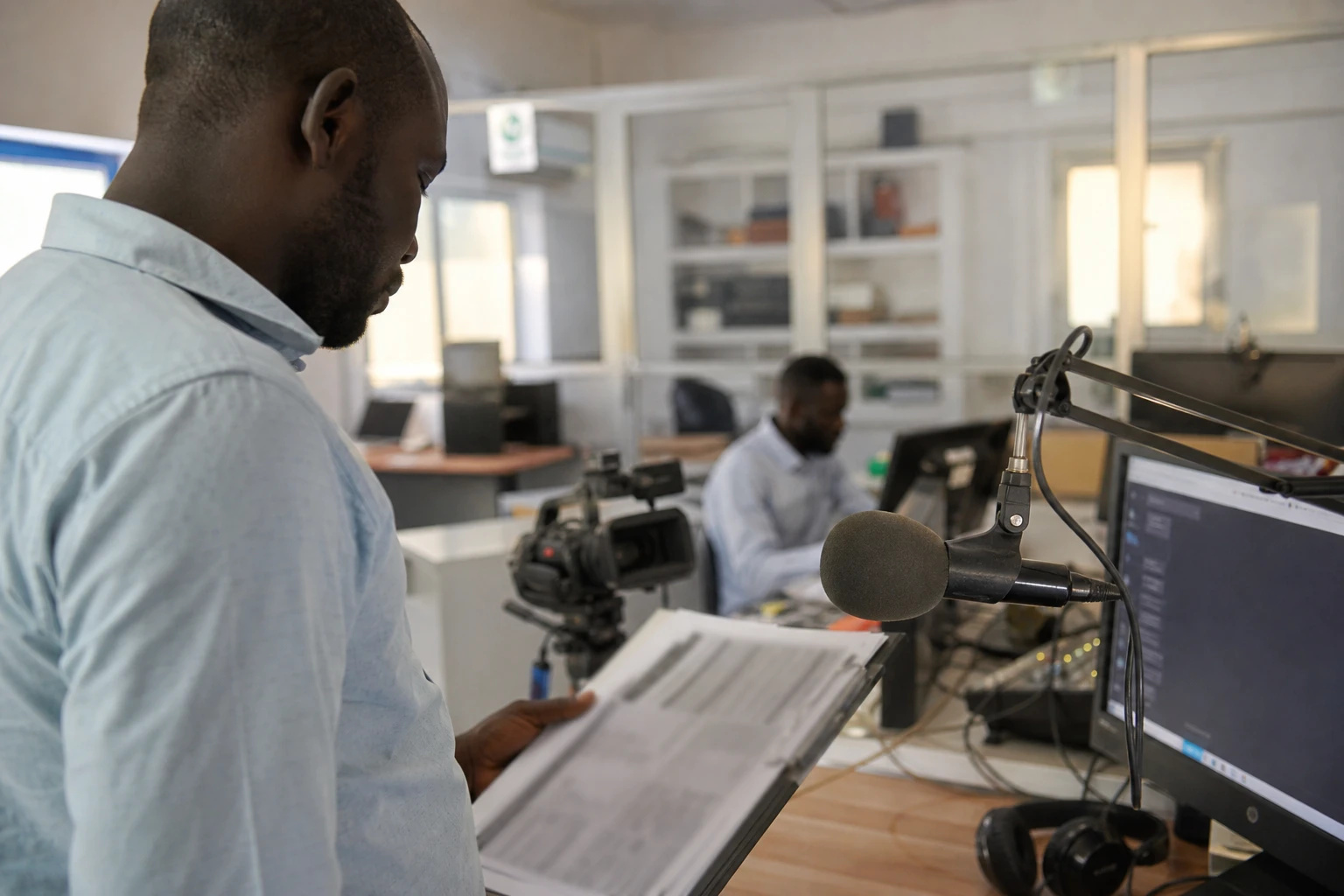
In Niamey, drugs are not just a police matter. They are also a test of state authority, the loyalty of local intermediaries and Niger’s ability to control its transit routes northwards and towards the Gulf of Guinea. In a country that has for years become a transit space for legal and illegal goods, every seizure is a reminder of a wider reality: when borders are long, porous and contested, trafficking always looks for a way through.
The regional context has changed, but the routes have not disappeared. Niger left ECOWAS with Mali and Burkina Faso, and the three countries have consolidated the Alliance of Sahel States (AES). At the same time, in late July 2026, the African Union called for stronger cooperation between the AU, ECOWAS and the states of the central Sahel in the face of transnational organised crime. In other words, criminal networks are still exploiting a fragmented political space, while security coordination mechanisms remain in flux.
Record seizures, but a deeper problem
Recent figures show the scale of the problem in Niger. In May 2026, OCRTIS presented the press with 233 bricks of cocaine seized in the Zinder region, weighing a total of 268.045 kilograms, described as a national record. A month later, in Niamey, the authorities incinerated 280 bricks of cocaine, or 319.745 kilograms. In June, another operation in Tahoua seized a significant quantity of drugs which, according to the authorities, had been shipped from a Belgian port to Cotonou, then on to the Maghreb via Niger.
These operations say two things at once. First, that Nigerien services are carrying out real crackdowns. Second, that the country remains at the heart of trans-Sahelian routes capable of linking the Atlantic, the Gulf of Guinea, the Sahel and North Africa. Specialist organisations have already reported that Niger serves as a hub for several forms of trafficking, including drugs, weapons, gold and irregular migration. This is no mere peripheral corridor. It is a logistics hub, with possible local complicity, forged documents, lorries, convoys and administrative or police support that can sometimes be difficult to disentangle.
The real issue: state capture by criminal networks
The most sensitive issue is not just the volume of drugs. It is the question of what protection traffickers do, or do not, enjoy. In several recent analyses, researchers have noted that political upheavals in Niger have disrupted longstanding balances without eliminating criminal networks. The July 2023 coup weakened some influence networks, but it also ushered in a transition period in which institutions are being reorganised, while traffickers adapt quickly.
On the ground, this translates into a double gap. In the capitals, the authorities publicise dramatic seizures and destructions. In transit zones, traders, transporters, young recruits and families on the move live with grey economies that are harder to trace. Drug trafficking generates quick income, but it also weakens public administrations, fuels corruption and complicates the work of security forces. The US report on trafficking in persons and monitoring documents on Niger also point to the difficulty of securing stable cross-border cooperation and note that public officials have previously been suspected of using state resources to facilitate trafficking.
Caution is warranted in this case. The Nigerien authorities emphasise the state’s resolve, and recent operations show that its services are at work. But the scale of the seizures, unusually large and repeated within a few months, also indicates that the networks remain powerful. Until the entire chain is targeted — intelligence, customs, police, the justice system, control of trade corridors and cooperation with neighbouring countries — trafficking will reorganise faster than it recedes.
What this says about Niger and the Sahel
For Niger, the issue goes beyond the fight against drugs. It affects the credibility of the transition, the trust of urban populations, the security of trade routes and the country’s standing in the Sahel. For the AES, it raises a simple question: how can security sovereignty be built if cross-border trafficking moves faster than coordination mechanisms between states? For the region, the answer is known but difficult to put into practice: share information, track the money, harmonise prosecutions and reduce areas of impunity.
The next phase will therefore be about actual capabilities, not declarations. The seizures in Zinder, Tahoua and Niamey show that Niger is not absent from the fight. But above all, they show that the country remains a strategic platform in a Sahelian criminal economy that extends far beyond its borders. This is where a discreet but decisive part of West Africa’s security is now at stake.