Algeria
 Egypt
 Libya
 Morocco
 Sudan
 Tunisia
 Benin
 Burkina Faso
 Cabo Verde
 Côte d'Ivoire
 Ghana
 Guinea
 Guinea-Bissau
 Liberia
 Mali
 Mauritania
 Nigeria
 Senegal
 Sierra Leone
 The Gambia
 Togo
 Cameroon
 Central African Republic
 Chad
 DR Congo
 Equatorial Guinea
 Gabon
 Republic of the Congo
 São Tomé and Príncipe
 Burundi
 Comoros
 Djibouti
 Eritrea
 Ethiopia
 Kenya
 Madagascar
 Malawi
 Mauritius
 Mozambique
 Rwanda
 Seychelles
 Somalia
 South Sudan
 Tanzania
 Uganda
 Angola
 Botswana
 Eswatini
 Lesotho
 Namibia
 South Africa
 Zambia
 Zimbabwe
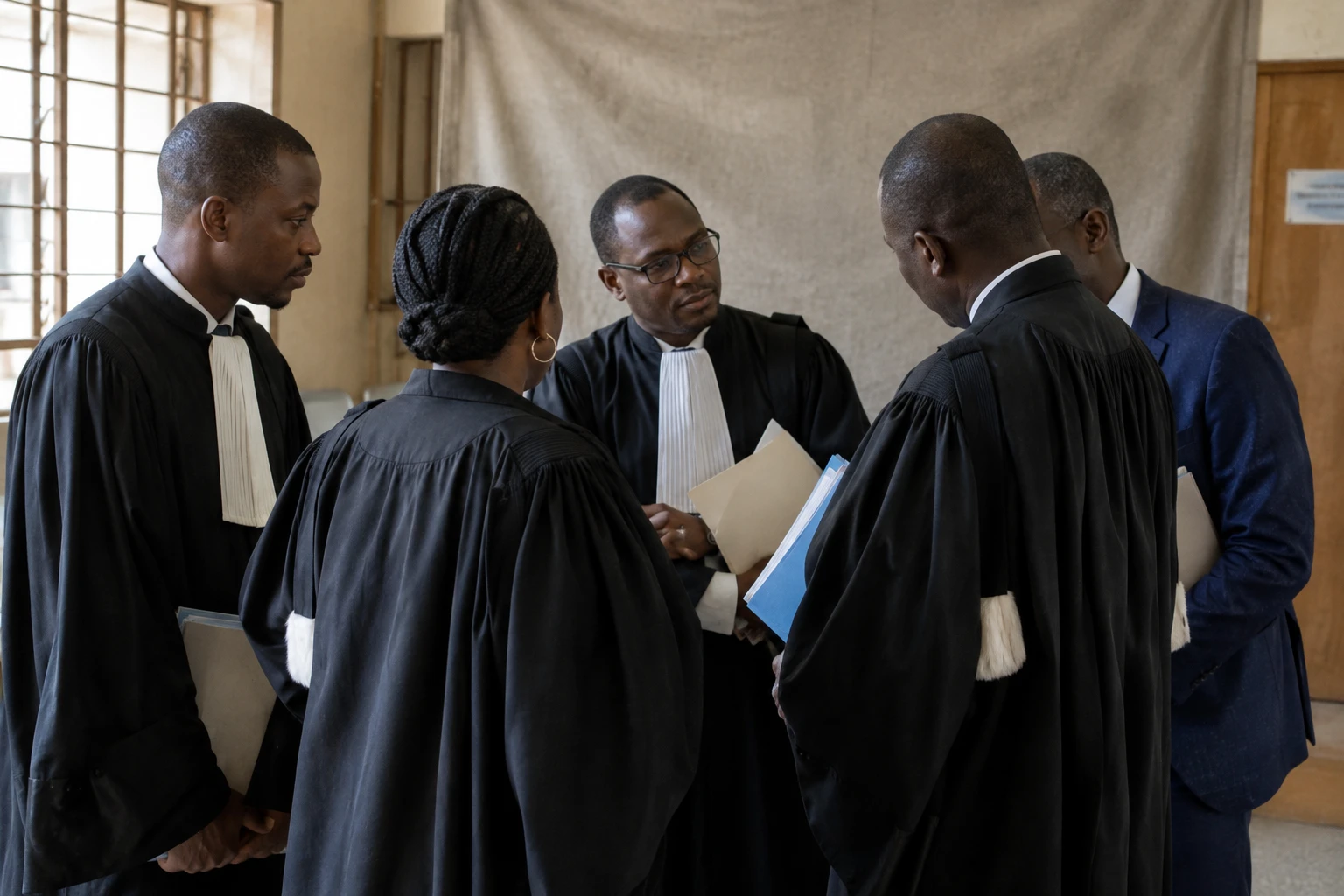
A message posted on Facebook can now bring a Nigerien citizen before a court and expose them to several years in prison. The trial of lawyer Abdourahamane Lirwana highlights the fragile boundary between protecting public order and the freedom to comment on national affairs.
A closely watched case in Niamey
On 6 October 2026, Mr Lirwana appeared before the High Court of Niamey. Prosecutors sought five years in prison and a fine of five million CFA francs. These are demands, not a conviction: the court has yet to deliver its ruling.
According to information published by Nigerien media outlet Les Échos du Niger, the hearing was held under the fast-track flagrante delicto procedure. Details of the defence arguments and the date of the judgment had not been established in the information available after the hearing. A human rights organisation had earlier said the lawyer had been detained since 22 September, after being brought before the prosecutor.
The prosecution concerns the “dissemination of data likely to disturb public order”, an offence set out in Article 31 of the 2024 cybercrime ordinance. According to the International Federation for Human Rights (FIDH) and the World Organisation Against Torture (OMCT), the case followed a 12 September Facebook post about the state of the Nigerien army. In their urgent appeal, judicial authorities had not publicly specified the detailed grounds for the case.
A law weighing on online speech
The amount sought by prosecutors is the maximum cited by several organisations for this offence. Amnesty International says the amendment to the cybercrime law in June 2024 reinstated prison sentences for certain online publications. This change has a tangible effect on the risks faced by internet users: a post may lead to criminal proceedings, beyond any possible removal or public response.
The law targets the dissemination of content that could disturb public order. But how that concept is interpreted is crucial. When remarks concern the army, an institution central to the country’s political and security trajectory, the debate also concerns the possibility of publicly discussing the management of national affairs. It is for the courts to examine the specific facts, their context and the safeguards afforded to the accused.
FIDH and OMCT describe the detention as arbitrary and call for the rights of the defence to be respected. This is the organisations’ assessment, not a judicial ruling. Nigerien media have, for their part, confirmed the detention and the prosecutors’ demands. At this stage, the public information available does not allow all procedural challenges reported by the lawyer’s supporters to be presented as established facts.
A particular political and regional context
Since the overthrow of President Mohamed Bazoum on 26 July 2023, Niger has been governed by military authorities. This period has been marked by changes to institutions and debates over civil liberties. In its country report, Human Rights Watch also noted the consequences of the revision of the cybercrime law for freedom of expression online.
This context alone does not allow conclusions to be drawn on the substance of Mr Lirwana’s case. It does, however, explain why a case concerning a post about the army is being watched beyond the courtroom. For public officials, the question is how a law intended to punish certain content is applied. For citizens, lawyers and journalists, the issue is what criticism can be voiced without leading to criminal prosecution.
The regional framework has also changed. Niger, Mali and Burkina Faso’s withdrawal from the Economic Community of West African States (ECOWAS), a regional integration organisation, took effect on 29 January 2025. The three countries have formed the Alliance of Sahel States. This realignment changes regional political relations, but does not replace Niger’s international human rights commitments.
The judgment, the next decisive step
The court’s decision will show whether prosecutors have persuaded the judges and what interpretation they adopt of the post in question. It will also clarify the practical scope of Article 31: will the authorities be able to establish precisely how the message disturbed public order, and will the defence have been able to challenge that accusation effectively?
The consequences are not the same for all Nigeriens, depending on their work. A lawyer or journalist may be directly affected by the exercise of public speech. Ordinary social media users, in Niamey and across the regions, may also question the limits of their comments. The case cannot on its own measure the full extent of freedom of expression in Niger, but it shows how a criminal provision can influence online exchanges.
Across West Africa, the case will be followed at a time when relations between Niger and ECOWAS have been profoundly reshaped. The expected judgment and any reactions from the Niger Bar Association or national institutions will provide the next public reference points. Until then, the five-year term sought remains a request by prosecutors, not the sentence handed down.