Algeria
 Egypt
 Libya
 Sudan
 Tunisia
 Benin
 Burkina Faso
 Cabo Verde
 Côte d'Ivoire
 Ghana
 Guinea
 Guinea-Bissau
 Liberia
 Mali
 Mauritania
 Niger
 Nigeria
 Senegal
 Sierra Leone
 The Gambia
 Togo
 Cameroon
 Central African Republic
 Chad
 DR Congo
 Equatorial Guinea
 Gabon
 Republic of the Congo
 São Tomé and Príncipe
 Burundi
 Comoros
 Djibouti
 Eritrea
 Ethiopia
 Kenya
 Madagascar
 Malawi
 Mauritius
 Mozambique
 Rwanda
 Seychelles
 Somalia
 South Sudan
 Tanzania
 Uganda
 Angola
 Botswana
 Eswatini
 Lesotho
 Namibia
 South Africa
 Zambia
 Zimbabwe
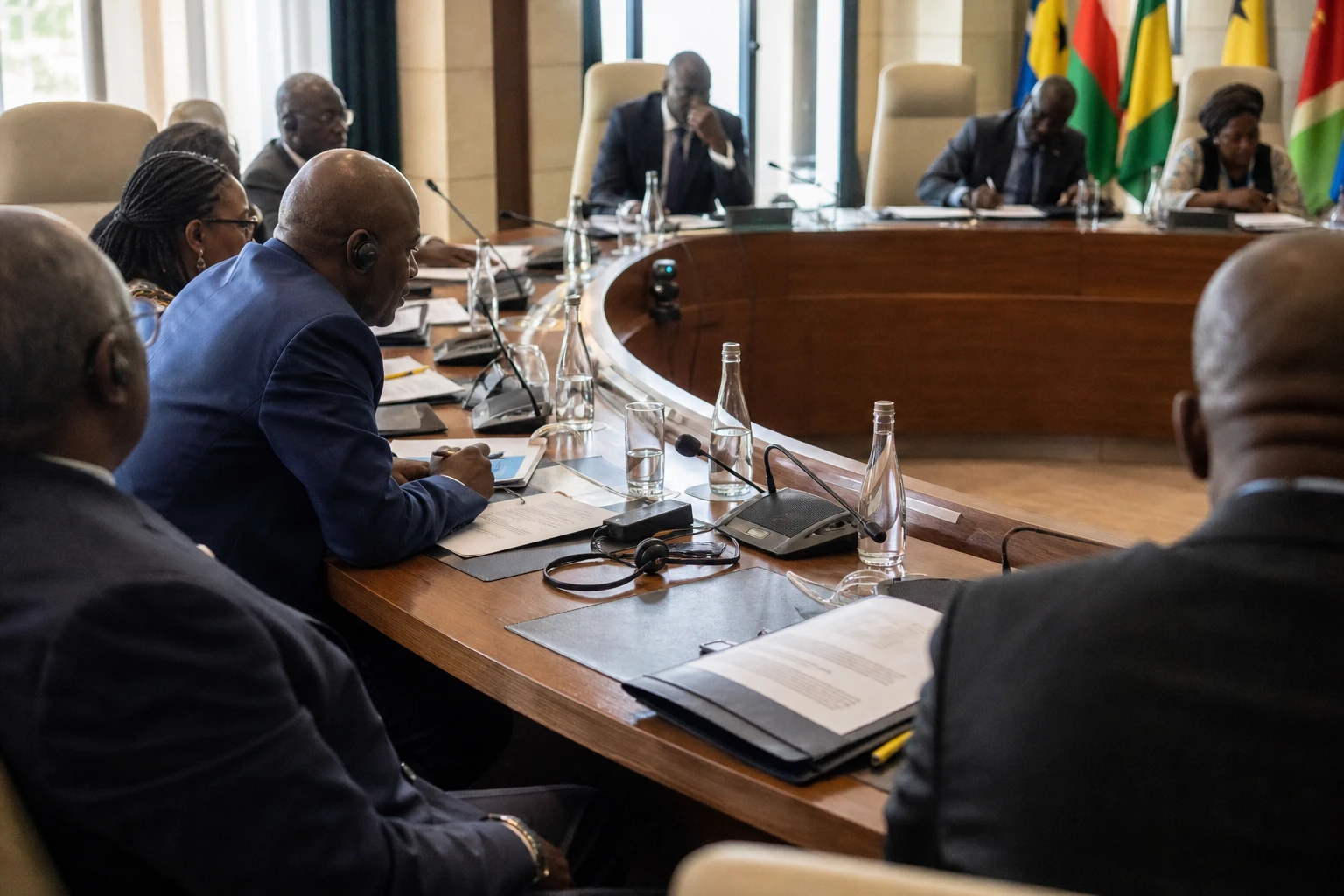
In Morocco, the vote on Wednesday 23 September 2026 is being contested in a less visible arena than campaign rallies: that of trust. Young people aged 18 to 24 account for only 4% of registered voters. This figure does not measure their presence at polling stations. It shows, first and foremost, how few of them are on the electoral rolls.
A national election in a kingdom with shared powers
Nearly 15.8 million Moroccans are registered to elect the 395 members of the House of Representatives. Twenty-eight parties, an alliance formed for this election and two independent lists are competing for seats, according to figures published by the Moroccan authorities.
The vote is intended to produce the next parliamentary majority and the next government. Under Morocco’s constitutional system, however, the king retains a central role. He appoints the head of government from the party that comes first in the House of Representatives. The monarch also has significant powers in strategic, religious, security and diplomatic affairs.
Members of parliament therefore have less room for manoeuvre than in a conventional parliamentary republic. They pass laws, scrutinise government action and help draw up the budget. However, the state’s major decisions are made within an institutional framework in which the palace remains a key decision-making centre.
This reality prompts a straightforward question among many young Moroccans: what tangible difference can their vote make to jobs, schools, healthcare or the cost of living?
The electoral youth paradox
Official figures show an electorate that is older than the country’s demographic make-up. People aged 60 and over account for more than 29% of registered voters. Those aged 25 to 34 make up 15%. The 18-to-24 age group accounts for just 4%.
This situation is partly explained by how electoral registration works. Reaching adulthood does not automatically lead to inclusion on the electoral roll. Citizens must complete an administrative process within the prescribed timeframe. Some young people are therefore left out before election day even arrives.
The 4% figure does not mean that only 4% of young people will vote. Nor does it represent an abstention rate. It refers to the share of registered voters who are aged 18 to 24. This distinction is essential to understanding political participation in Morocco.
The gap is nevertheless significant. Young people make up a substantial share of the population and are prominent in online activism. They are far less visible in party structures and on electoral rolls. This under-representation automatically reduces the weight given to issues that directly affect them.
Jobs, public services and the cost of living top expectations
The campaign unfolded against a backdrop of unemployment, rising everyday expenses and regional inequalities. In Rabat, Casablanca and Tangier, graduates speak of access to a first job and insecure contracts. In rural areas, expectations focus more on school transport, local healthcare, water and infrastructure.
These difficulties do not affect all young people in the same way. A graduate in a large city does not face the same obstacles as an unqualified young person in a remote province. Similarly, the informal economy can sometimes provide an immediate income, but rarely offers social protection comparable to that of formal employment.
This diversity complicates political messaging. A national promise on jobs may seem abstract in an urban neighbourhood where rents are high. It may also appear far removed from the priorities of a rural family whose first concern is regular access to a school or health centre.
Distrust does not necessarily mean a lack of interest in politics. It may reflect different ways of taking part. Social media, associations, local campaigns and university debates are also forums for expression. Voting remains one institutional channel among others.
Many parties, but an offer seen as hard to distinguish
The election features 7,288 candidates nationwide, or more than 18 candidates on average for each seat. This abundance does not guarantee greater clarity for voters. In several constituencies, programmes are only weakly differentiated or focus on promises that are difficult to verify.
The House of Representatives also has 235 incumbent MPs standing for re-election. This continuity may reassure voters who value experience. It may also reinforce the feeling that the political class is far removed from the renewal sought by some young people.
Women’s representation is another issue. The authorities have recorded 2,658 female candidates, including 1,783 on 235 regional lists reserved for women. These measures improve women’s access to parliament, but the question remains how much influence they have within party structures and parliamentary committees.
For young Moroccans, the issue is therefore not simply whether more candidates their age are standing. They also expect elected representatives to champion measurable public policies, with timelines, budgets and results that can be scrutinised.
An election watched beyond Morocco’s borders
The 23 September vote goes beyond Morocco’s institutional framework. Morocco is not part of an active regional economic community comparable to ECOWAS or SADC. However, it lies at the heart of North Africa, a region shaped by tensions within the Arab Maghreb Union and growing economic ties with the rest of the continent.
Rabat has sought for several years to strengthen its ties with West and Central Africa. The next government’s economic, social and diplomatic choices will therefore affect investment, trade and regional mobility.
The result will also be judged in terms of institutional stability. Morocco combines an executive monarchy, multiparty politics and regular elections. The challenge now is to turn this framework into lasting political trust, particularly among younger generations.
The first figure to watch will be overall turnout. The second will be the make-up of the next majority. The third will be the government’s ability to meet the needs of different regions without widening the gap between major cities and less well-resourced areas.
For young Moroccans, the issue is not simply getting into a polling station. It is having a say in decisions that determine access to work, public services and an independent life. The election will show whether the parties have succeeded in turning this expectation into political participation.