
 Algeria
 Egypt
 Libya
 Sudan
 Tunisia
 Benin
 Burkina Faso
 Cabo Verde
 Côte d'Ivoire
 Ghana
 Guinea
 Guinea-Bissau
 Liberia
 Mali
 Mauritania
 Niger
 Nigeria
 Senegal
 Sierra Leone
 The Gambia
 Togo
 Cameroon
 Central African Republic
 Chad
 DR Congo
 Equatorial Guinea
 Gabon
 Republic of the Congo
 São Tomé and Príncipe
 Burundi
 Comoros
 Djibouti
 Eritrea
 Ethiopia
 Kenya
 Madagascar
 Malawi
 Mauritius
 Mozambique
 Rwanda
 Seychelles
 Somalia
 South Sudan
 Tanzania
 Uganda
 Angola
 Botswana
 Eswatini
 Lesotho
 Namibia
 South Africa
 Zambia
 Zimbabwe
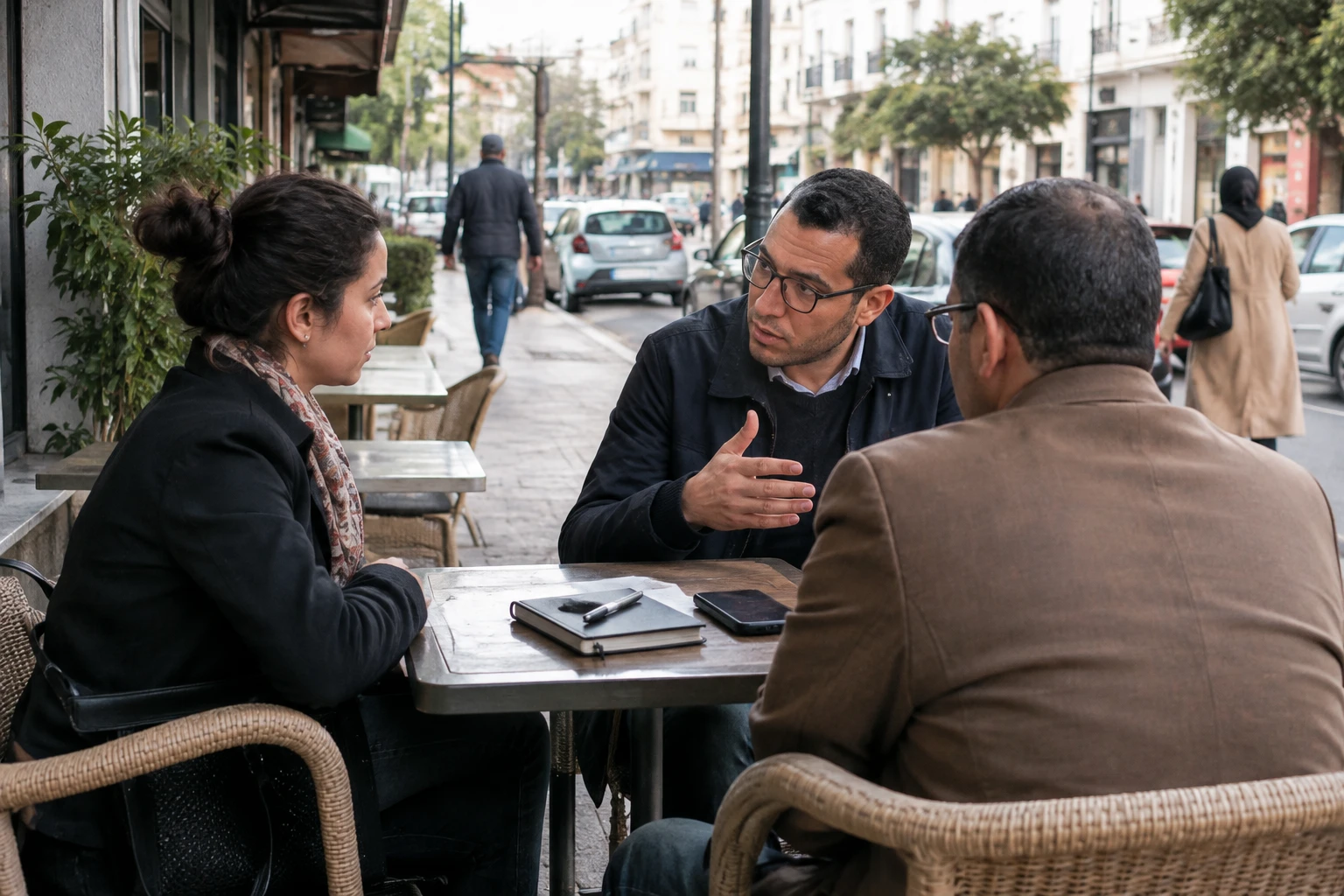
When a phone, a journey or a private conversation becomes a means of pressure, surveillance does not stop at gathering information. It can weigh on journalists’ work, ties between activists and freedom of speech far beyond the people directly targeted. This is the system described in a new investigation into practices attributed to Morocco’s intelligence services.
A system that goes beyond spyware
The debate over Pegasus has often focused on one specific tool. The report published on 1 October 2026 by Amnesty International broadens the focus: it describes a range of digital and physical methods which, according to the organisation, are used to monitor journalists, human rights defenders and other critical voices, and then expose them to smear campaigns or prosecution. Amnesty International’s presentation of the report details these different practices.
The investigation attributes the deployment of Pegasus and operations targeting civil society between 2017 and 2021 to the General Directorate for Territorial Surveillance (DGST), Morocco’s domestic intelligence service. Amnesty says its findings are based, in particular, on the testimony of a former agent, interviews with ten people targeted, digital analysis and leaked documents. The organisation says the Moroccan authorities did not respond to its requests for comment.
These findings should be read precisely: they are the conclusions of an Amnesty investigation, not a court ruling. However, the report does not rely solely on the former agent’s testimony. It says it cross-checked his account against technical data and independent sources. OCCRP has also reported on the findings and evidence relating to the use of Pegasus between 2017 and 2021, providing separate journalistic coverage. OCCRP’s report summarises the investigation and its main findings.
Digital tools, but human networks too
According to Amnesty, the techniques identified range from physically infecting a device to attacks requiring a click, or even no action at all by the person targeted. The report also refers to intrusions via the telephone network. It describes phones that were allegedly sold already infected, as well as spyware installed in some internet cafés frequented by activists. These details are attributed to the investigation and cannot be generalised to all businesses or infrastructure in the country.
The system described is not solely technological. The organisation reports covert recordings in cars, offices, detention facilities and homes, as well as the tracking of movements and interception of communications. It believes that people around those targeted may also be affected. This explains why the alleged surveillance can alter daily habits: some contacts become riskier, and the fear of exposure can inhibit professional or personal exchanges.
The report names companies based in Israel, the United States and the European Union among the technology suppliers mentioned. This supply chain raises a question that extends beyond Rabat: what safeguards accompany the export of tools sold in the name of security, and how can their use be verified after delivery? Amnesty calls on exporting states to strengthen their controls. This is the organisation’s recommendation; the report alone does not establish the legal responsibility of each company or government named.
Implications for the press and public life
For independent journalists, the risk is not limited to a phone’s confidentiality. Persistent surveillance can expose sources, complicate investigations and isolate newsrooms. For activists, it can put relatives at risk even when they do not speak out publicly themselves. The consequences are therefore uneven: a highly visible person may be targeted directly, while those around them or their colleagues may face indirect pressure.
Amnesty links these alleged practices to prosecutions, judicial harassment and smear campaigns. The organisation describes a chilling effect: the possibility of being monitored may prompt people to abandon an investigation, a meeting or speaking out, even in the absence of an immediate penalty. This mechanism also affects the public. When journalists hesitate to cover sensitive subjects, the flow of information in the public interest may diminish.
The Moroccan context also has a genuine security dimension: the authorities regularly present their services as essential to combating terrorism and crime. That mission does not, however, settle the question of limits and oversight. The central issue raised by Amnesty is safeguards: judicial authorisation, independent supervision and accessible remedies in the event of abuse. Describing these as necessary neither denies security concerns nor treats all the report’s allegations as established facts.
The Pegasus affair had already placed Morocco at the centre of an international debate about digital surveillance. The latest findings extend that discussion by describing a broader ecosystem and placing operations as late as 2021. They do not prove that every method identified is still in use today. Amnesty nevertheless considers it possible that the system persists and calls for an independent investigation. The Moroccan government has in the past denied using spyware against its citizens.
A regional and continental issue
For the Maghreb, the case is a reminder that surveillance technologies cross borders through contracts, suppliers and telecommunications networks. The Arab Maghreb Union, which brings together Morocco and four other countries in the region, is not currently a framework for close political integration capable of easily addressing these shared challenges. Regulation of digital tools therefore also depends on national legislation, export controls and international human rights standards.
Across Africa, the challenge is to reconcile the fight against threats with the protection of privacy, freedom of expression and the work of the press. The Moroccan case does not allow us to conclude that the same practices exist across the continent. It does, however, highlight a practical question for governments and regulators: who authorises surveillance, who checks how it is used, and what avenues of redress remain open to those targeted? How the case develops will depend in particular on any independent investigation and on responses from the Moroccan authorities and the companies implicated.



