
 Algeria
 Egypt
 Libya
 Sudan
 Tunisia
 Benin
 Burkina Faso
 Cabo Verde
 Côte d'Ivoire
 Ghana
 Guinea
 Guinea-Bissau
 Liberia
 Mali
 Mauritania
 Niger
 Nigeria
 Senegal
 Sierra Leone
 The Gambia
 Togo
 Cameroon
 Central African Republic
 Chad
 DR Congo
 Equatorial Guinea
 Gabon
 Republic of the Congo
 São Tomé and Príncipe
 Burundi
 Comoros
 Djibouti
 Eritrea
 Ethiopia
 Kenya
 Madagascar
 Malawi
 Mauritius
 Mozambique
 Rwanda
 Seychelles
 Somalia
 South Sudan
 Tanzania
 Uganda
 Angola
 Botswana
 Eswatini
 Lesotho
 Namibia
 South Africa
 Zambia
 Zimbabwe
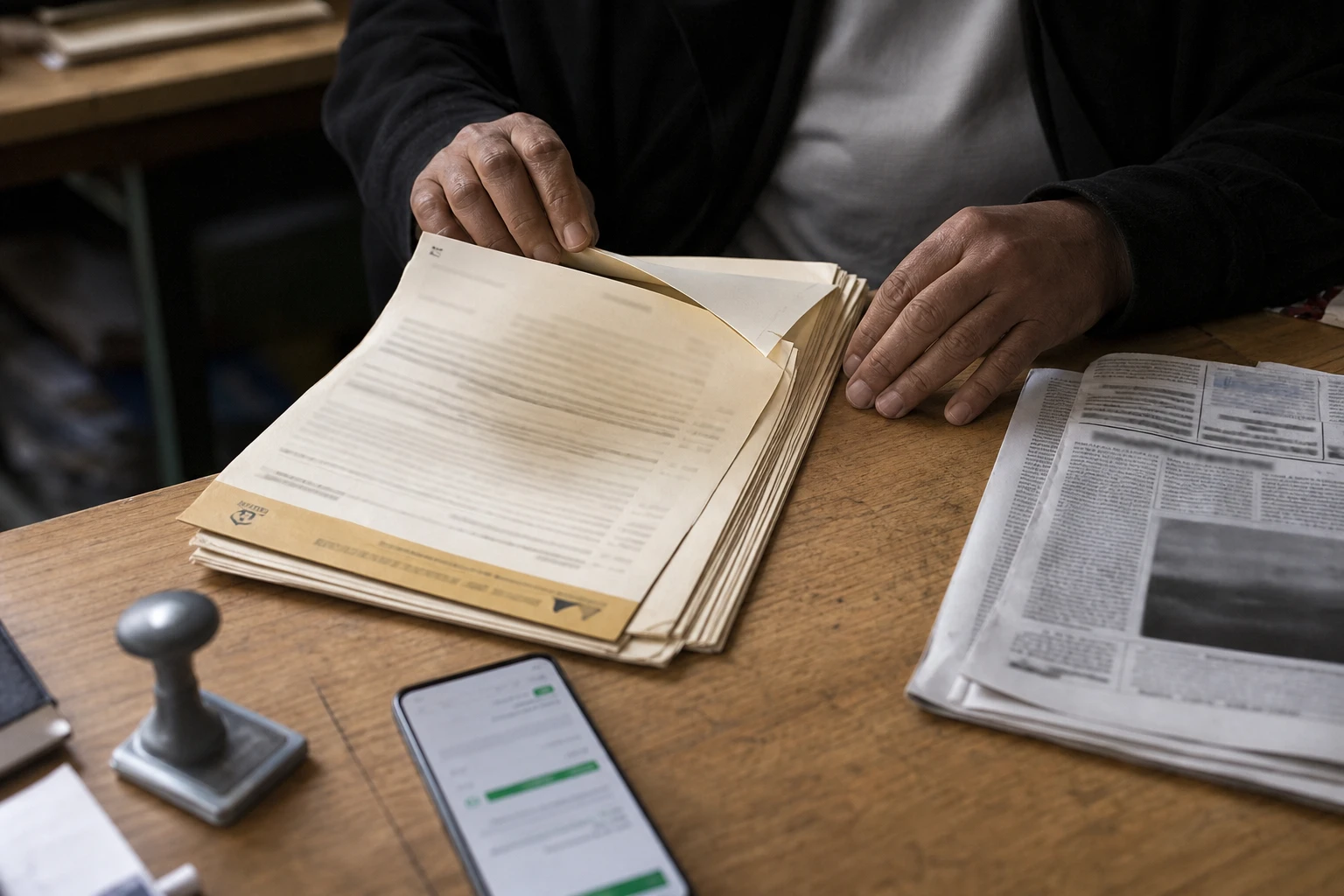
In Morocco, institutional silence leaves room for competing narratives
When an affair involves the intelligence services, the battle is fought not only in the courts. It also moves into the public arena, where each side seeks to impose its version before any robust right of reply has been established. In Morocco, this pattern is familiar. It says something about the relationship between power, security and public discourse in a kingdom where Rabat remains the nerve centre of strategic decision-making.
This time, the starting point is the media appearance of Mehdi Hijaouy, a former senior official at the General Directorate for Studies and Documentation, Morocco’s foreign intelligence service. His name has resurfaced at a time already charged by several sensitive cases: Pegasus, the 2021 Ceuta crisis and longstanding allegations linked to Zakaria Moumni, a former kickboxing champion who has denounced abuse during his detention. These cases extend beyond Morocco. They also concern Spain, France and, more broadly, the European Union, whose institutions have already examined the use of Pegasus spyware.
A media counterattack, not an institutional response
In the hours that followed, the response did not come in the form of an official statement from the palace or a detailed clarification from the officials implicated. Instead, it came through Moroccan media close to the authorities, which opted for personal attacks. Hijaouy was described as a man discredited by the justice system and facing prosecution for fraud, forgery, use of forged documents and facilitating illegal immigration. The aim is clear: discredit the witness before addressing the substance of the allegations.
This strategy has an immediate political advantage. It appeals to readers already convinced that a disgraced former officer can only be a fraudster. But it also has an obvious limitation: it does not address the dates, names and sequences cited by Hijaouy. In intelligence cases, chronology matters as much as reputation. Who decided what, when, and with what resources? That is the central question.
This communications strategy is part of a pattern already seen before. In the summer of 2025, internal tensions surrounding Hijaouy’s flight abroad had already fuelled a battle of narratives. Media close to the authorities then disputed errors in headlines or dates without addressing the substance of suspicions raised about the security apparatus. The reflex is therefore an old one: correct the man, sidestep the case.
Pegasus, Ceuta, Moumni: three cases, one shared fault line
The name Pegasus remains the most sensitive. Since the revelations of 2021, the Israeli spyware developed by NSO Group has been at the centre of European and French investigations. The European Parliament set up an inquiry committee into its use, and several resolutions have called for stronger safeguards for the surveillance of journalists and opponents. In 2026, new details cited by the investigative press even reignited debate over Morocco’s use of the software since at least 2017, according to a French DGSE note submitted to the investigation.
The Ceuta case is different, but touches the same nerve: the border as an instrument of power. In May 2021, the mass arrival of migrants in the Spanish enclave triggered a severe diplomatic crisis between Rabat and Madrid. Documents recently made public in Spain showed that the Spanish services had been alerted before the crisis, confirming at the very least close monitoring linking security, diplomacy and the control of migration flows. The Moroccan perspective, meanwhile, remains shaped by the idea that every border crisis forms part of a broader power struggle with Madrid and Brussels.
As for Zakaria Moumni, his case is a reminder that controversies over Moroccan security are not new. Amnesty International has long documented his allegations of torture and unfair trials. Here again, the debate is not about one individual alone. It raises questions about how the Moroccan state handles disputes arising from domestic security, intelligence and criminal justice.
What this affair says about Morocco today
Politically, the affair reveals one simple fact: on matters of sovereignty, Morocco often prefers to contain the narrative before opening a genuine debate with a right of reply. This choice may protect the state’s image in the short term. In the medium term, it also sustains a grey area in which allegations, denials, leaks and counter-leaks circulate. In this kind of conflict, the press becomes a battlefield in its own right.
For Moroccan citizens, the stakes are not abstract. They concern trust in institutions, the role of the security services and the boundary between raison d’état and abuse of power. For the country’s elites, it is also a test of internal discipline. When former officials speak out, they often reveal not so much the whole truth as a moment of fracture within the apparatus. Hijaouy appears to fit this category: an actor who has become dangerous because he knows the codes, networks and methods.
At regional level, the case is a reminder that the Maghreb remains a space where intelligence, migration and cyber-surveillance issues constantly intersect. Morocco occupies a central position, both through its security cooperation with Europe and its role in managing migration flows to Spain. The implications are even broader at continental level: digital surveillance, the movement of political exiles and border diplomacy have become sovereignty issues for Africa as a whole. This is where a discreet but decisive part of the relationship between states, technology and civil liberties is now being played out.
The next point to watch is the judicial and documentary follow-up. If new evidence emerges in investigations in France or Spain, it could either confirm or further weaken the allegations in circulation. For now, Morocco faces a familiar but costly choice: address the substance, or allow the opposing narrative to take hold.



