
 Algeria
 Egypt
 Libya
 Morocco
 Sudan
 Tunisia
 Benin
 Burkina Faso
 Cabo Verde
 Ghana
 Guinea
 Guinea-Bissau
 Liberia
 Mali
 Mauritania
 Niger
 Nigeria
 Senegal
 Sierra Leone
 The Gambia
 Togo
 Cameroon
 Central African Republic
 Chad
 DR Congo
 Equatorial Guinea
 Gabon
 Republic of the Congo
 São Tomé and Príncipe
 Burundi
 Comoros
 Djibouti
 Eritrea
 Ethiopia
 Kenya
 Madagascar
 Malawi
 Mauritius
 Mozambique
 Rwanda
 Seychelles
 Somalia
 South Sudan
 Tanzania
 Uganda
 Angola
 Botswana
 Eswatini
 Lesotho
 Namibia
 South Africa
 Zambia
 Zimbabwe
Growing demand, a developing industry
In Abidjan, flour is no longer just a matter for bakeries. It also reflects the pace at which eating habits are changing in Ivorian cities, where bread, pastries and other wheat products are becoming increasingly prominent. In this context, every new processing plant puts pressure on a market already strained by its reliance on imports.
Côte d’Ivoire, whose political capital is Yamoussoukro, remains one of West Africa’s economic engines. Its port, road corridors and commercial network make it a natural transit point for goods destined for the domestic market and several neighbouring countries. This position gives meaning to industrial investment in wheat: it meets domestic demand while forming part of a regional strategy.
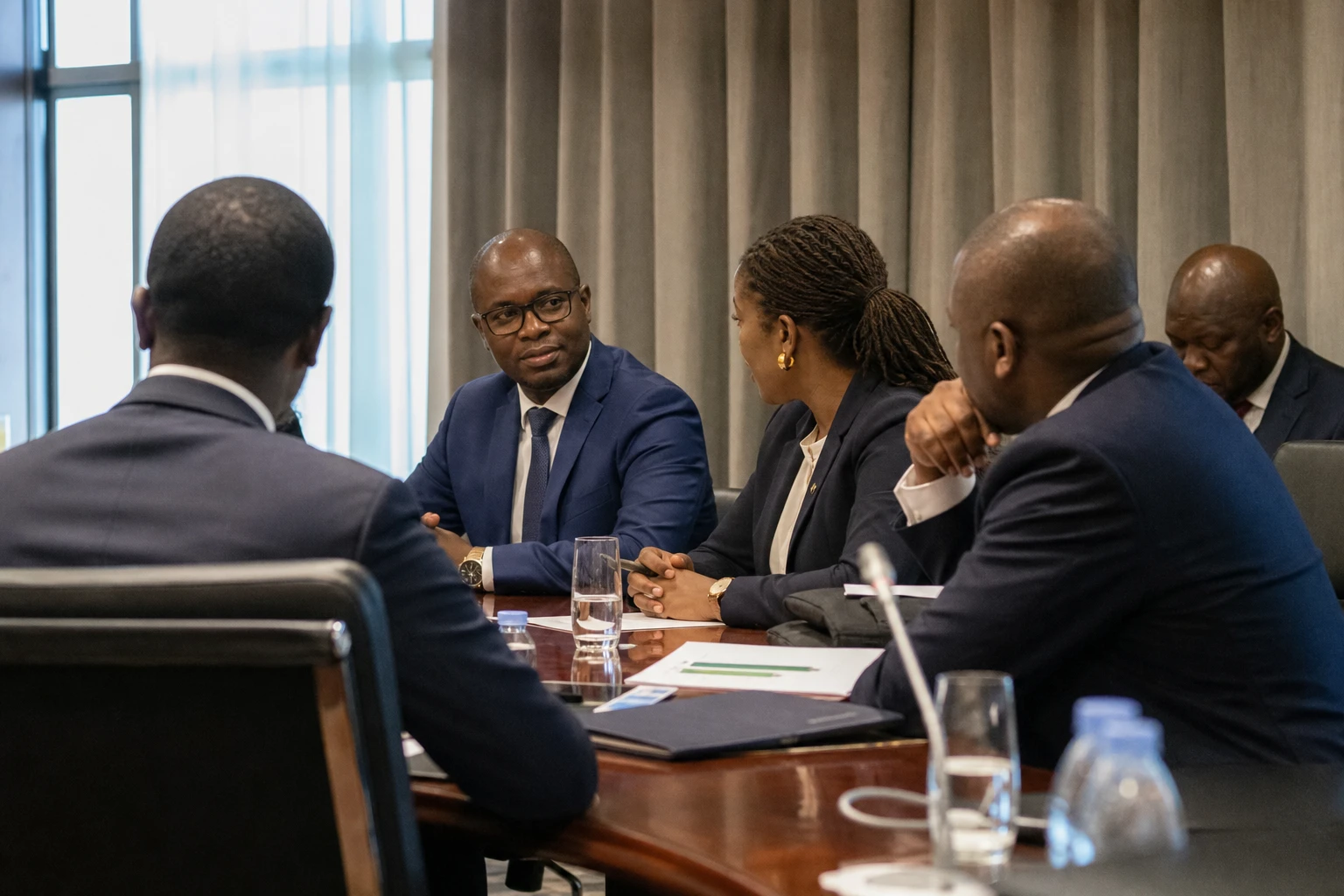
Against this backdrop, Moulin Koira de Côte d’Ivoire plans to invest CFAF 26bn, or about $46m, in building a flour mill. The project was discussed at a working session held on 14 September 2026 at the headquarters of CEPICI in Abidjan, with the management of the public body responsible for supporting investment. The company has included the project in its 2026 programme and is still working to determine the site, the mill’s exact capacity and the implementation timetable, according to information published by CEPICI. CEPICI confirmed the project and its estimated cost.
The signal is significant. Côte d’Ivoire does not grow wheat on a commercial scale, and all the volumes processed by its flour mills are imported. The market therefore depends on maritime logistics, freight costs and operators’ ability to store, mill and distribute quickly. In an urban economy where consumption of flour-based products is rising, local processing is a source of margin, but also a means of securing supplies.
Available figures show a clear trend. In its latest country report, the USDA estimates Ivorian wheat consumption at 777,000 tonnes in 2025/2026, up from 580,000 tonnes in 2022/2023 in the series cited in the document, and forecasts 806,000 tonnes for 2026/2027. The same source says Côte d’Ivoire does not produce wheat commercially and depends entirely on imports to supply its milling sector. In other words, the market is growing, but its raw material still comes from abroad. The US agriculture report details the rise in consumption and the absence of local production.
This trend is not limited to domestic needs. Côte d’Ivoire also serves as a hub for West Africa. The port of Abidjan and routes north allow wheat, flour and other derivatives to be redistributed to landlocked areas. The USDA estimates Ivorian re-exports of wheat and derived products at 65,034 tonnes in 2024/2025, up from 55,172 tonnes the previous year. Burkina Faso accounts for the vast majority of these flows, ahead of Togo, Ghana, Senegal and Guinea. This confirms a simple fact: the Ivorian market no longer operates in isolation.
An industrial bet at the crossroads of the port, corridors and West African markets
MKCI’s project is part of a broader trend. For several years, the Ivorian state has been strengthening its logistics and port infrastructure to consolidate Abidjan’s position in subregional trade. Public authorities have repeatedly described the corridors to Burkina Faso, Mali, Ghana and Nigeria as strategic routes for easing commercial flows. ECOWAS is also working on several integration projects along the 1,030-kilometre Abidjan-Lagos corridor, which links five of the subregion’s major coastal countries.
In this context, a new flour mill is more than a simple flour warehouse. It is industrial equipment that can capture a greater share of local value added, create direct and indirect jobs, secure supplies for bakers and reduce some of the costs associated with importing finished products. For cities, this could mean better access to flour. For rural areas and inland regions, the challenge is primarily logistical: fewer stockouts, faster distribution and price stability depend on the quality of roads, depots and transport networks.
The project also reflects a shift in industrial investment in West Africa. The milling sector is attracting operators betting on population growth, urbanisation and food demand from the middle classes. In Côte d’Ivoire, where bakery products have become an established part of urban life, the industry is no longer focused solely on meeting a basic need. It is looking to secure a steady, profitable consumer market that can expand into neighbouring countries.
Nevertheless, the situation should be viewed with caution. No public details have yet been finalised on the exact location of the future plant, its milling capacity or its rollout schedule. The project therefore remains at the administrative and technical development stage. But the fact that it is moving forward shows that industrial operators anticipate demand that will not let up. It also reflects confidence in Côte d’Ivoire’s business environment, despite the energy, land and logistics constraints that continue to weigh on local industry.
At the continental level, the stakes go beyond wheat flour. They concern how African economies turn imports into local value added. Côte d’Ivoire offers a telling example: a country that imports its raw material but is seeking to retain processing, jobs and some of the margins at home. In an ECOWAS region where supply chains remain highly sensitive to transport costs, border checks and fluctuations in global trade, this type of investment could become a model for replication wherever urban consumption is growing faster than local agricultural production.
The next point to watch will be how this announcement is put into practice. If the site, permits and financing are clarified quickly, the project can move from intention to operational industry. Otherwise, it will remain one of several signs of a promising market still held back by structural constraints. For now, one thing is clear: in Côte d’Ivoire, wheat processing has become an industrial, logistical and regional issue in its own right.



