Algeria
 Egypt
 Libya
 Morocco
 Sudan
 Tunisia
 Benin
 Burkina Faso
 Cabo Verde
 Côte d'Ivoire
 Ghana
 Guinea
 Guinea-Bissau
 Liberia
 Mali
 Mauritania
 Niger
 Nigeria
 Senegal
 Sierra Leone
 The Gambia
 Togo
 Cameroon
 Central African Republic
 Chad
 DR Congo
 Equatorial Guinea
 Gabon
 Republic of the Congo
 São Tomé and Príncipe
 Burundi
 Comoros
 Djibouti
 Eritrea
 Ethiopia
 Kenya
 Madagascar
 Malawi
 Mauritius
 Mozambique
 Rwanda
 Seychelles
 Somalia
 South Sudan
 Tanzania
 Uganda
 Angola
 Botswana
 Eswatini
 Lesotho
 Namibia
 Zambia
 Zimbabwe
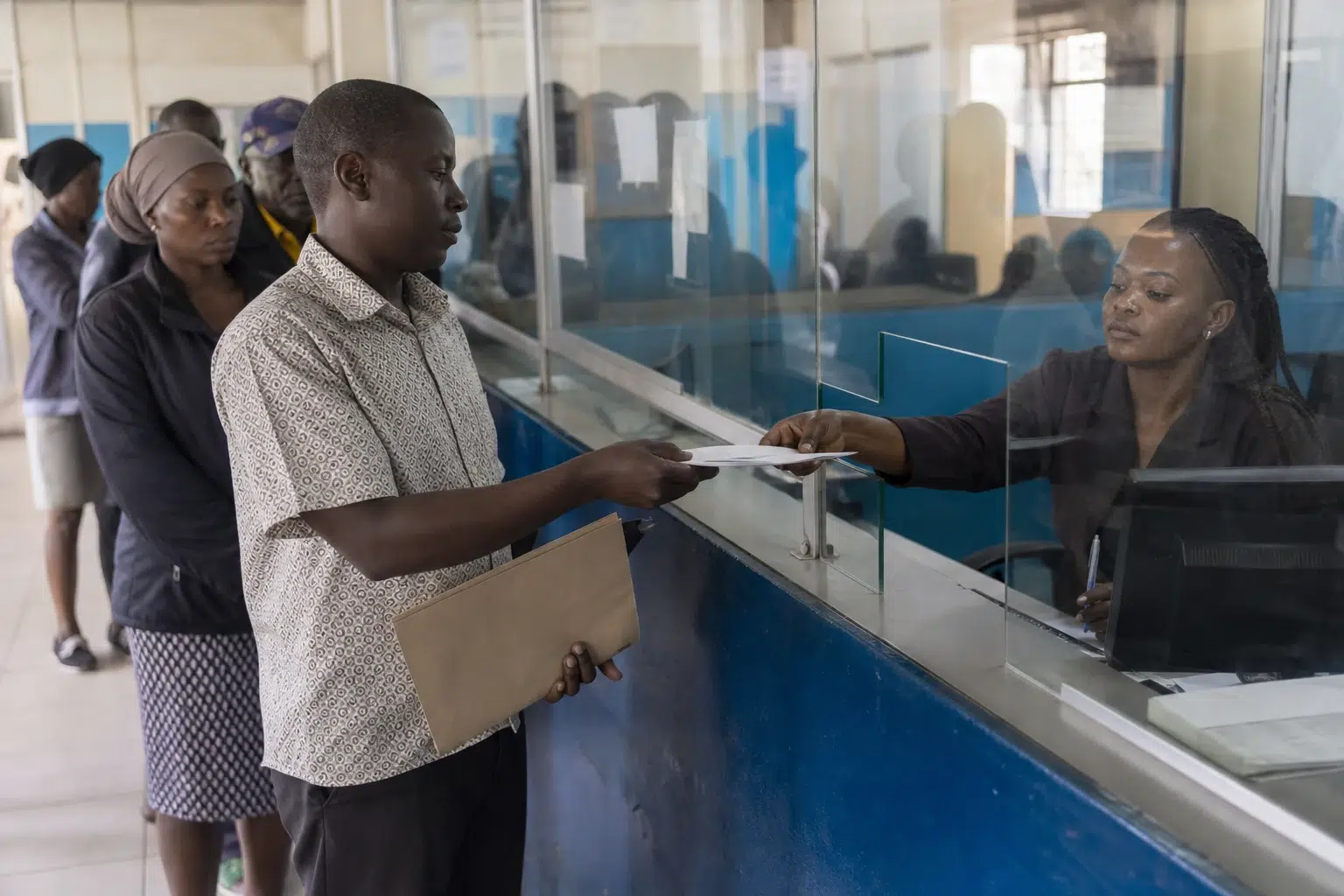
When music is sold without a bank card
Across the continent, listening to a song is often easier than paying for it. With the cost of mobile data, widespread use of basic phones and a shortage of bank cards, the music value chain has long eluded artists. In this landscape, platforms designed for local habits are not a digital convenience. They are becoming essential to turning audiences into revenue.
Mdundo illustrates this shift. Born in Kenya and designed for unstable connections and low-cost smartphones, the platform now targets 15 African countries, with its main markets in Kenya, Nigeria, Tanzania, Ghana and Uganda. Its stated ambition is clear: to offer a legal music service tailored to African listening habits, rather than a simple copy of imported models.
The context: telecoms, mobile data and copyright
The issue goes beyond music. It touches on the continent’s digital infrastructure. The World Bank estimates that between 2019 and 2022, broadband access in Africa rose from 26% to 36%, while the average price of 1 GB of mobile data fell from 10.5% to 5% of monthly gross national income per capita. But the institution also stresses that affordability remains a major obstacle, with persistent gaps between urban and rural areas, and between men and women.
In this context, telecoms operators play a central role. In Kenya, Tanzania, Ghana and South Africa, subscriptions added to a mobile bill or phone credit are better suited than card payments. This is precisely where Mdundo has established its position, partnering with companies such as Safaricom, Vodacom and MTN to sell music bundles and subscriptions via mobile money.
The issue also points to a longstanding problem in the sector: monetising rights. In many African markets, artists distribute their music widely without receiving regular payment. Local platforms are therefore seeking to reorganise the distribution of revenue, alongside concerts, event fees and the more informal channels that remain essential for many artists.
What Mdundo shows
Mdundo’s business model rests on three pillars: advertising, premium subscriptions and agreements with mobile operators. The company then pays a share of revenue to artists based on streams and downloads. Its terms state that 50% of eligible revenue is shared with rights holders. This mechanism does not solve everything, but it introduces a degree of traceability and regular payment often lacking in the local market.
The group reached a milestone in 2025. Its annual report for the year ended 30 June 2025 recorded 40.5 million monthly active users, up 12.5% year on year. Revenue reached 11.0 million Danish kroner, slightly below the previous financial year, while EBITDA remained negative. Meanwhile, subscription revenue rose as advertising fell sharply, notably because of low advertising prices in some African markets, particularly Nigeria.
For artists, the question is not only one of volume, but of cash flow. In 2025, business journalists in Nairobi reported that Mdundo had paid artists $1 million in six months, including $500,000 to Kenyan musicians. The company said at the time that revenue depended on the number of downloads. In other words, the more an artist is listened to and downloaded, the larger their share. This rule favours catalogues that are already circulating widely, but it also gives creators often absent from conventional collection systems a quantified profile.
This is where the issue becomes very tangible. For an artist based in Nairobi, Lagos, Accra or Dar es Salaam, the platform can supplement income from performances and advertising contracts. For an artist outside the major centres, it can chiefly open a door to a regional audience. In both cases, it reduces reliance on intermediaries that lack transparency and on payment channels that can be slow, opaque or fragmented.
A cultural economy more African in its habits
Mdundo is part of a broader trend. The global music market reached $29.6 billion in 2024, according to IFPI, and subscription streaming remains the main driver of growth. Recorded music revenues in sub-Saharan Africa also increased. This does not mean the continent is mechanically following the models of Western markets. Rather, it shows that there is paying demand, provided payments, connectivity and interfaces are adapted to actual habits.
Mdundo’s strength lies precisely here: recognising that African listening takes place first and foremost on phones, through bundles, sometimes via offline downloads, and often with payments made through an operator. The platform also relies on vernacular languages and DJ mixes that extend the circulation of tracks beyond conventional radio formats. This approach is not spectacular. It is pragmatic. And it is often this pragmatism that allows a cultural sector to begin to take shape.
For the pan-African ecosystem, the stakes are broader than a single company. If digital revenues consolidate in Kenya, Tanzania, Ghana, Nigeria and South Africa, they could encourage other players to invest in distribution, licensing and local payment solutions. Conversely, if telecom payments remain unstable or advertising slumps, the model will have to reinvent itself again. That is what makes Mdundo a useful indicator: not a barometer of all African music, but a practical test of the continent’s ability to make its creative work pay under conditions that reflect its own realities.