Algeria
 Egypt
 Libya
 Morocco
 Sudan
 Tunisia
 Benin
 Burkina Faso
 Cabo Verde
 Côte d'Ivoire
 Ghana
 Guinea
 Guinea-Bissau
 Liberia
 Mauritania
 Niger
 Nigeria
 Senegal
 Sierra Leone
 The Gambia
 Togo
 Cameroon
 Central African Republic
 Chad
 DR Congo
 Equatorial Guinea
 Gabon
 Republic of the Congo
 São Tomé and Príncipe
 Burundi
 Comoros
 Djibouti
 Eritrea
 Ethiopia
 Kenya
 Madagascar
 Malawi
 Mauritius
 Mozambique
 Rwanda
 Seychelles
 Somalia
 South Sudan
 Tanzania
 Uganda
 Angola
 Botswana
 Eswatini
 Lesotho
 Namibia
 South Africa
 Zambia
 Zimbabwe
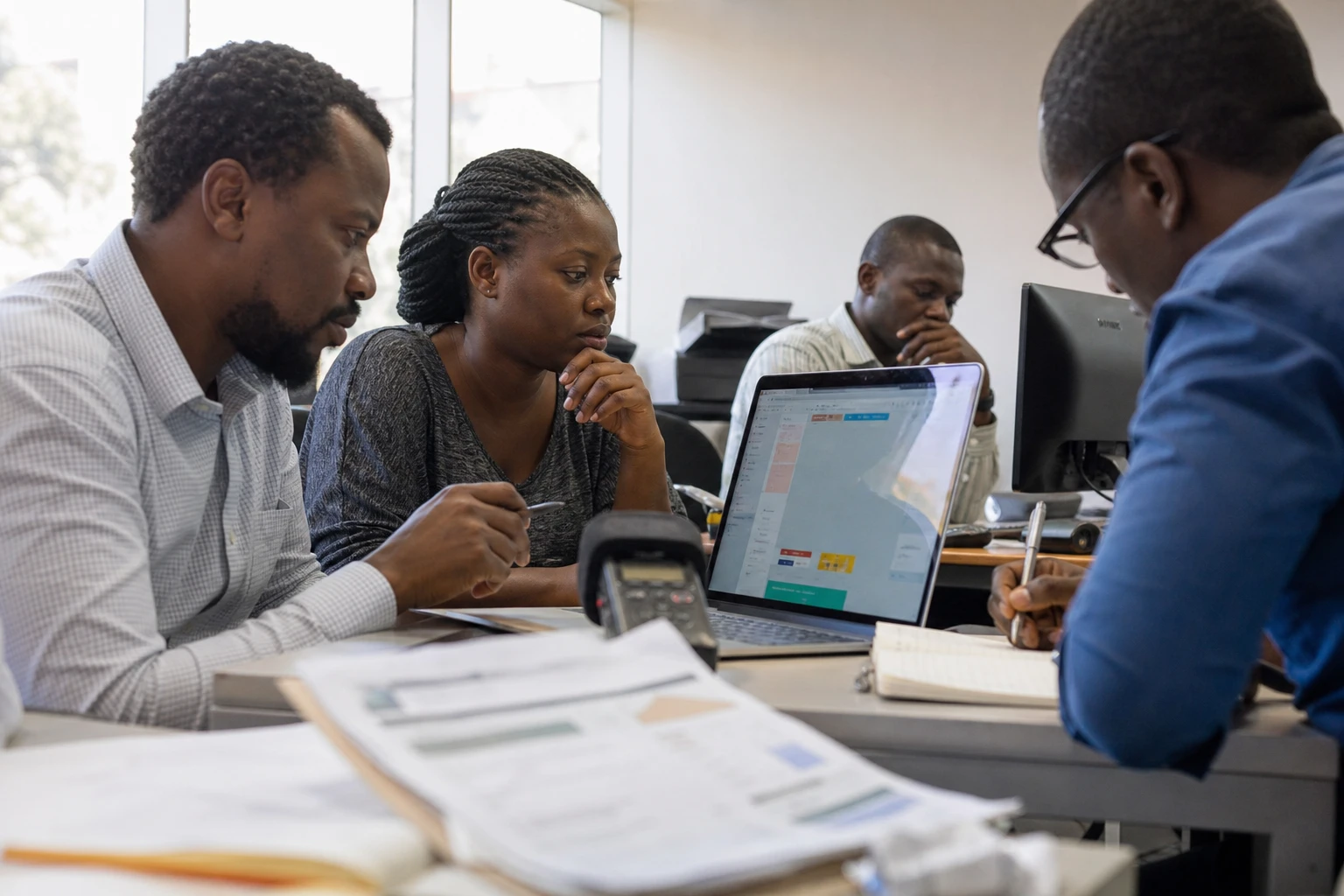
In Bamako, the image war also tells the story of the northern conflict
In northern Mali, the fighting is no longer being waged with weapons alone. It is also playing out on screens, where every video becomes a political, military and psychological message. The release of footage showing Malian soldiers alive, presented as prisoners by the Azawad Liberation Front, is part of this battle for visibility as much as the armed conflict.
The stakes are high for the authorities in Bamako. Every announced hostage-taking, every attacked convoy and every release of footage of captives further weakens the narrative of a state seeking to regain control of the entire territory. For the soldiers’ families, the images raise another, more immediate question: who is alive, who is being held, and under what conditions?
Northern Mali remains tense amid local conflicts and regional realignment
Mali has been going through a prolonged security crisis since 2012, which began with the Tuareg rebellion in the north and was then worsened by the presence of groups affiliated with al-Qaeda and Islamic State. The crisis has profoundly reshaped relations between Bamako, the northern regions and regional security frameworks. Since 29 January 2025, Mali has no longer been a member of ECOWAS, alongside Burkina Faso and Niger, and is now part of the Confederation of Sahel States, the AES.
This institutional shift has not ended external pressure or violence on the ground. On the contrary, the front line has shifted towards areas such as Kidal, Anéfis, Gao and Aguelhok, where the Malian army, foreign partners, jihadist groups and Tuareg separatists intersect. The African Commission on Human and Peoples’ Rights has expressed grave concern following the coordinated attacks of 25 April 2026, recalling the obligations of international humanitarian law.
What the videos released by the FLA show
The Azawad Liberation Front released videos on 31 July 2026 showing Malian soldiers alive and presented as being held by the movement. According to information available, the group says it is holding more than 200 Malian soldiers, captured in several waves during the fighting in Kidal in the spring and then in clashes that followed in the north. African media had already reported in the spring the group’s claim that it was holding more than 200 soldiers.
The release came a few days after an especially violent series of events. On 4 July, coordinated attacks targeted several localities in Mali, including Gao, Anéfis, Aguelhok and Sévaré, as well as a prison south of Bamako. On 18 July, a military convoy was again targeted in the north, in an area where relations between the Malian army, its allies and armed groups remain extremely volatile. The human tolls reported for these operations varied between the parties and could not always be independently confirmed.
On 23 July, the UN human rights office called for an investigation after reports of torture and the killing of Malian soldiers captured in an ambush in the north. The organisation said that such acts, if established, could constitute war crimes. The Malian general staff, for its part, denounced footage showing captured soldiers and also spoke of serious violations of international humanitarian law.
Soldiers, families and a state under pressure
Beyond military communications, the central issue is the handling of captives. In an asymmetric conflict, prisoners become instruments of negotiation, deterrence and propaganda. For Malian soldiers, capture can mean uncertainty, prolonged detention or being used as political leverage. For their relatives, it fuels anxiety and a lack of information, especially when official channels remain unclear or are slow to confirm names and places of detention.
This case also highlights a central point in Mali’s recent trajectory: the centralisation of power in Bamako does not guarantee control on the ground. The state has strengthened its security apparatus, reorganised its alliances and reduced its dependence on ECOWAS, but armed groups retain the ability to take the initiative in the north. The balance of power is therefore determined as much by the movement of armed columns as by control of information.
For Mali’s population, the impact is tangible. In Bamako, the threat affects the security of roads and public confidence. In the northern regions, it has a greater impact on transport routes, markets, pastoral activities and exchanges between localities. In the informal economy, which shapes much of daily life, every road closure, ambush and rumour of detention immediately translates into lost income and increased uncertainty.
A development in Mali to watch beyond its borders
The situation in Mali now extends beyond the national framework alone. It raises questions about how West Africa addresses protracted crises, the future of regional frameworks after Mali’s withdrawal from ECOWAS, and the ability of African mechanisms to document violations in armed conflicts. The positions of the African Union and its human rights commission show that the issue is being followed at continental level, even if operational responses remain limited.
What happens next will depend above all on three developments: the course of the fighting in the north, any evidence about the fate of the captives, and the Malian authorities’ ability to provide verifiable information on prisoners and casualties. As long as these issues remain unresolved, the war in Mali will continue to be fought on two fronts: the military one and that of legitimacy.