Algeria
 Egypt
 Libya
 Morocco
 Sudan
 Tunisia
 Benin
 Burkina Faso
 Cabo Verde
 Côte d'Ivoire
 Ghana
 Guinea
 Guinea-Bissau
 Liberia
 Mauritania
 Niger
 Nigeria
 Senegal
 Sierra Leone
 The Gambia
 Togo
 Cameroon
 Central African Republic
 Chad
 DR Congo
 Equatorial Guinea
 Gabon
 Republic of the Congo
 São Tomé and Príncipe
 Burundi
 Comoros
 Djibouti
 Eritrea
 Ethiopia
 Kenya
 Madagascar
 Malawi
 Mauritius
 Mozambique
 Rwanda
 Seychelles
 Somalia
 South Sudan
 Tanzania
 Uganda
 Angola
 Botswana
 Eswatini
 Lesotho
 Namibia
 South Africa
 Zambia
 Zimbabwe
When a song tells of political change
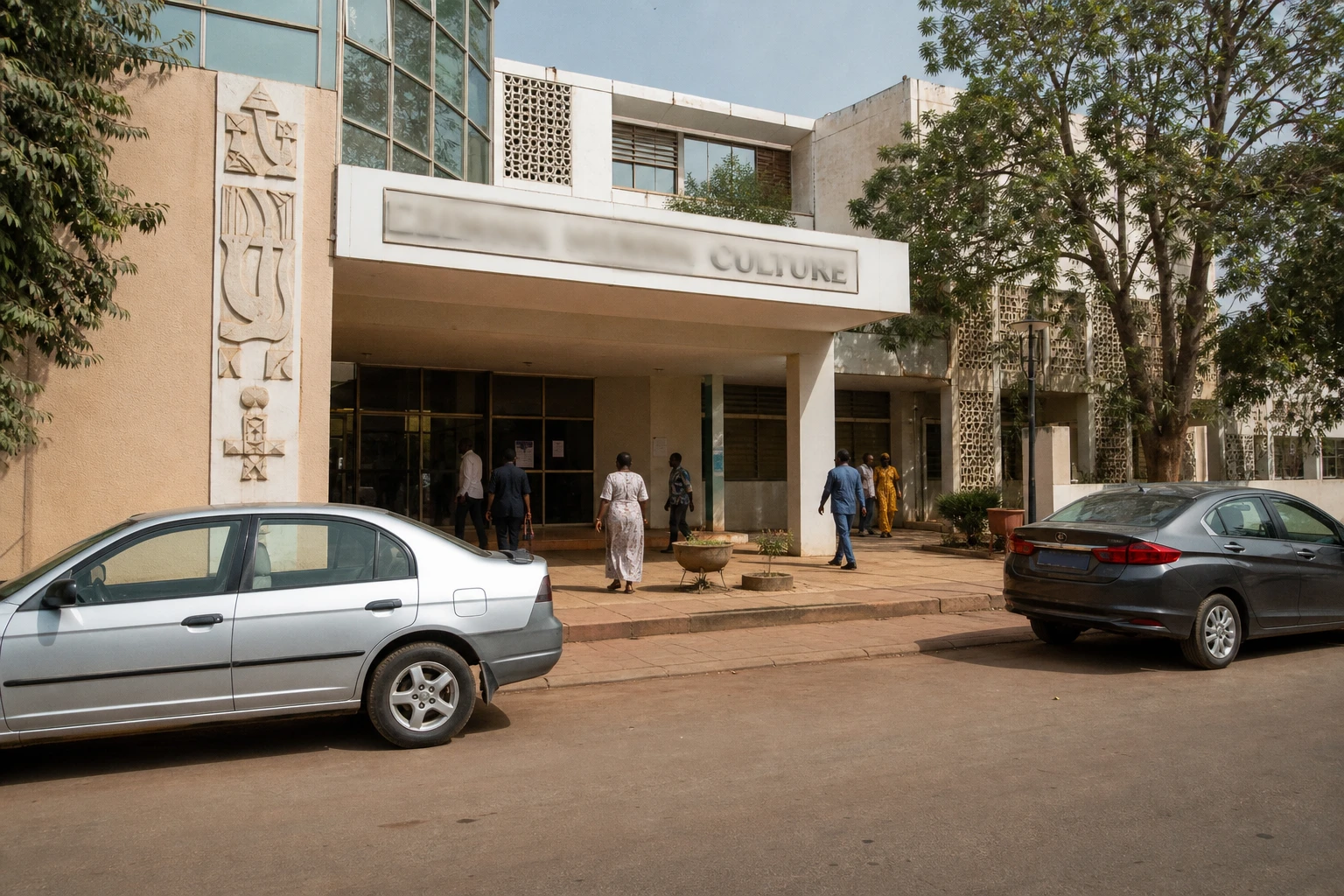
In Bamako, some stories circulate less in books than in refrains. “Africa Mia” belongs to that kind of memory: the story of a Mali that, in the early 1960s, was seeking its path after independence and looking far afield, as far as Havana, to train a generation capable of writing its own music. This trajectory says much more than a simple recording success. It tells of a time when culture also served as diplomacy, education and a national promise.
The story still resonates today. Mali remains at the heart of West Africa’s shifting landscape, in a region transformed by the country’s effective departure from ECOWAS, the Economic Community of West African States, on 29 January 2025. In this context, revisiting a work born of closer ties between Mali and Cuba is also a reminder that artistic exchanges can outlast political ruptures.
Bamako, Havana and the generation of music scholarships
The story begins in 1964, when ten young Malians went to study music in Cuba, then led by Fidel Castro. Several sources agree on this point, although some date their departure to late 1963 or early 1964. The aim was clear: to train Malian musicians in composition, arranging and orchestral techniques, at a time when Modibo Keïta’s Mali was building its cultural institutions after independence in 1960.
Among them was Boncana Maïga, from Gao, who would become a flautist, arranger and bandleader. In Havana, the young musicians discovered charanga from the inside, a Cuban orchestral format based in particular on flute and violin. They went on to form Las Maravillas de Mali, often described as a pioneering Afro-Cuban group. Their repertoire blended Spanish, French and Bambara with rhythms inherited from both sides of the Atlantic.
The group recorded an album in Havana in 1967 for EGREM, Cuba’s state record label. The work remains an important part of Mali’s musical history, as well as a testament to the cultural policy of the era: Modibo Keïta’s socialist Mali and Cuba, then deeply committed to anti-colonial solidarity, came together in a shared drive for international recognition.
Nostalgia born far from home
“Africa Mia” was born less as an abstract composition than as a concrete feeling: being far away. The musicians were far from Bamako, Gao, their families and the landmarks of everyday life. News came slowly, communication was rare, and that distance gave rise to a bolero that was both gentle and melancholy. The song expresses attachment to home without grand speeches. It sings of longing. It also sings of patience, the patience of generations who built cultural bridges in very limited material circumstances.
This intimate quality explains the song’s enduring power. “Africa Mia” is more than a song of nostalgia. It is an emotional archive of African mobility: of young people trained outside the continent who returned home with new knowledge. In Mali, it is a reminder that a cultural project can generate expertise, exchange and prestige far beyond the stage. Across Africa, it also shows that creativity never needed approval from former colonial centres to exist or to reach the world.
What followed was more turbulent. The 1968 coup that overthrew Modibo Keïta, followed by Moussa Traoré’s seizure of power, changed the political climate. Relations with Cuba cooled, and the musicians returned to Mali in the early 1970s, after a long and often difficult interlude. The group did not disappear from memory. Over time, it became a symbol of what politics may interrupt, but cannot entirely erase.
What this story says about Mali today
Mali in 2026 is no longer the country of the Cold War. It is governed by a military transition, with General Assimi Goïta at the head of state since taking power in 2020. The country has also emerged from a major regional shift: the effective withdrawal of Mali, Burkina Faso and Niger from ECOWAS became a reality on 29 January 2025. In this landscape, culture remains one of the few spaces where exchange with the rest of the world is still fluid, visible and fruitful.
The subject therefore goes beyond music. It touches on how a state shapes its memory, chooses its alliances and protects—or fails to protect—its creators. It says something about relations between the capital and the regions, since the talents came from across the country, including Gao. It also speaks to young Malians today: the idea that international openness can strengthen national roots, provided it is treated as a lasting investment rather than a decorative interlude.
At continental level, “Africa Mia” is a reminder of a reality that is often underestimated: African music is not limited to influences it has received. It has also shaped other scenes, inspired hybrid forms and produced original styles. Mali, a country with a rich cultural heritage recognised by UNESCO, offers a clear example. Between memory, mobility and creativity, Las Maravillas de Mali remain an important chapter in understanding how Africa also wrote its own musical modernity.