Algeria
 Egypt
 Libya
 Morocco
 Sudan
 Tunisia
 Benin
 Burkina Faso
 Cabo Verde
 Côte d'Ivoire
 Ghana
 Guinea
 Guinea-Bissau
 Liberia
 Mali
 Mauritania
 Niger
 Nigeria
 Senegal
 Sierra Leone
 The Gambia
 Togo
 Cameroon
 Central African Republic
 Chad
 DR Congo
 Equatorial Guinea
 Gabon
 Republic of the Congo
 São Tomé and Príncipe
 Burundi
 Comoros
 Djibouti
 Eritrea
 Ethiopia
 Kenya
 Malawi
 Mauritius
 Mozambique
 Rwanda
 Seychelles
 Somalia
 South Sudan
 Tanzania
 Uganda
 Angola
 Botswana
 Eswatini
 Lesotho
 Namibia
 South Africa
 Zambia
 Zimbabwe
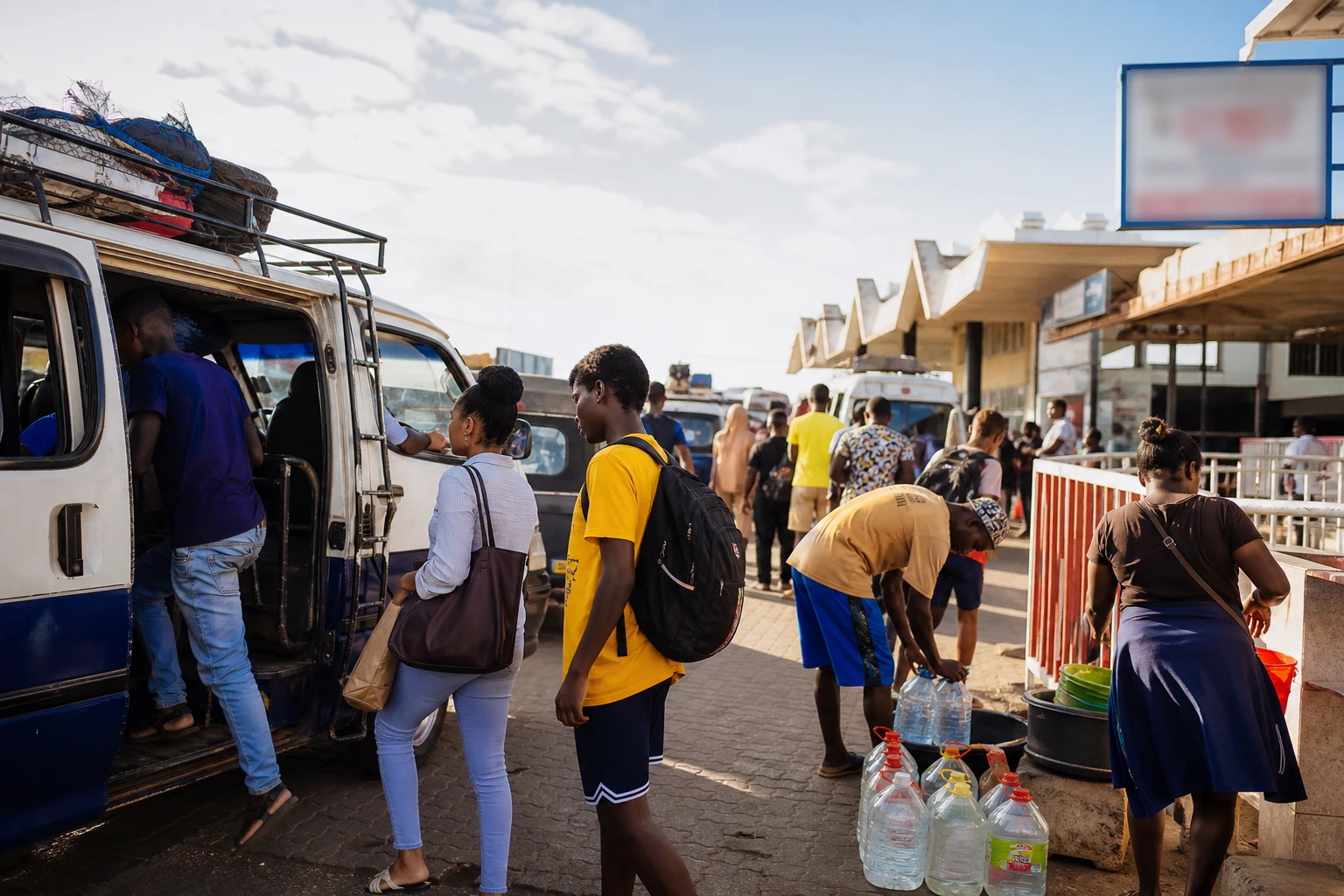
In Madagascar, the next rainy season could begin with water shortages before shifting to episodes of intense rainfall. This contrast presents authorities, farmers and communities in the south with a dual challenge: getting through the drought, then protecting themselves from floods.
A global phenomenon affecting the Indian Ocean
El Niño is the abnormal warming of surface waters in the tropical Pacific. This disruption alters atmospheric circulation and can affect temperatures and rainfall far beyond the region.
In its bulletin published on 3 September 2026, the World Meteorological Organization says the episode is expected to strengthen further in the coming months. Its peak intensity is expected towards the end of 2026. The probability that it will persist until February 2027 is put at close to 100%.
The WMO does not present this episode as a certainty of disaster everywhere. Its effects vary by location. In the western Indian Ocean, however, projections could favour periods of exceptional heat, rainfall deficits in some areas and more intense precipitation in others.
This development comes as Madagascar remains highly exposed to cyclones, floods and droughts. Vulnerability also varies by region. The south already experiences recurrent rainfall deficits, while coastal areas and river basins can quickly suffer the effects of concentrated rainfall.
A rainy season forecast to unfold in two phases
The first outlooks for the 2026-2027 hot and wet season point to a particularly contrasting timetable. From October 2026 to January 2027, rainfall could remain below average across a large part of the island.
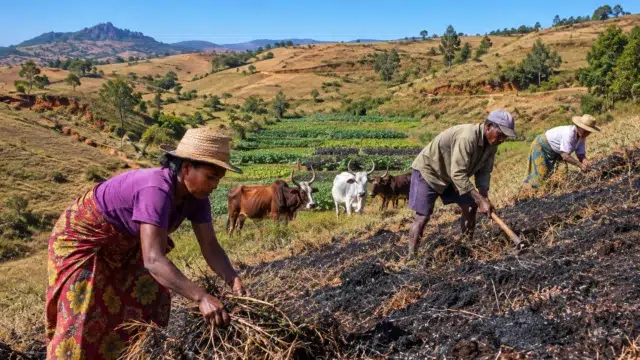
The regions of Melaky, Menabe, the south-west, Anôsy and Androy are among the areas most exposed to drought. In the south, this would directly affect rain-fed crops, livestock farming and access to water. Rural households could also be forced to travel further to obtain supplies.
From February 2027, the trend could reverse. Rainfall could be normal to above average until April, with an increased risk of river flooding, floods and landslides. After several months of dry soil, heavy rain can run off quickly rather than soak in.
This alternation makes preparation more difficult. The same communities may need adapted seeds and water reserves at the start of the season, then evacuation routes and flood protection a few weeks later.
The south remains the main area of concern
In the regions of Androy and Anôsy, drought is not a new risk. It comes amid a succession of difficult seasons that undermine livelihoods and reduce families’ capacity to adapt.
The National Office for Risk and Disaster Management said on 4 October 2026 that authorities and their partners were preparing anticipatory action. Four districts have been identified as priorities: Antanimora Atsimo, Bekily, Amboasary-Atsimo and Ampanihy Andrefana.
Anticipatory action means intervening before indicators point to a crisis that is fully under way. It can include cash transfers, the distribution of production equipment, securing water points or pre-positioning supplies. The aim is to limit losses rather than wait for an emergency.
The BNGRC says the work is intended to produce a joint action plan. This step is important because the response depends on several actors: government services, local authorities, humanitarian organisations and local communities.
The effects will not be the same for everyone. Farmers who depend entirely on rainfall are directly exposed. Workers in the informal economy can lose their income during a drought or flood. In cities, pressure may result in higher prices for water and food, while rural areas first face crop losses and villages being cut off.
Preparation still taking shape
In Antananarivo, management of this period relies in particular on the BNGRC, the meteorological department and the ministries responsible for the environment, agriculture and social protection.
In June 2026, a workshop convened by the BNGRC had already begun preparations for a coordinated system covering the period from July 2026 to April 2027. Discussions focused on priority areas, warning mechanisms and the organisation of the humanitarian response.
The country is also working on financing risk management. In August 2026, the Malagasy government launched a consultation on the operational action plan for its national disaster risk financing strategy. The initiative aims to make resources more predictable for preparedness, response and reconstruction.
These efforts show a shift towards anticipation. They must nevertheless translate into resources available at local level. An effective warning requires clear information, communication channels in communes and practical solutions for families living far from administrative centres.
The risk of fire is another concern. Heat and drying vegetation can increase pressure on forests and protected areas, particularly in the south and west. Prevention will therefore need to bring together meteorological services, environmental authorities, local officials and neighbouring communities.
An issue that extends beyond Madagascar
Madagascar is not isolated from climate patterns in the Indian Ocean. Variations in rainfall and temperature also affect neighbouring countries, with possible consequences for agriculture, population movements, regional markets and humanitarian operations.
Across the Southern African Development Community (SADC), which includes Madagascar and several countries in southern Africa, coordination on alerts and stocks can reduce response times. Data sharing between meteorological services is particularly important when phenomena affect several territories.
The next decisive step will be the publication and full dissemination of national forecasts for the 2026-2027 season. Rainfall patterns will then need to be monitored from October 2026 to January 2027, followed by the possible shift to above-average precipitation from February 2027.
For Madagascar, the challenge is therefore not limited to forecasting an El Niño episode. It is to turn a climate forecast into local decisions: protect water supplies, support producers, keep roads open and prepare evacuations before drought or rain turns into a crisis.