Algeria
 Egypt
 Morocco
 Sudan
 Tunisia
 Benin
 Burkina Faso
 Cabo Verde
 Côte d'Ivoire
 Ghana
 Guinea
 Guinea-Bissau
 Liberia
 Mali
 Mauritania
 Niger
 Nigeria
 Senegal
 Sierra Leone
 The Gambia
 Togo
 Cameroon
 Central African Republic
 Chad
 DR Congo
 Equatorial Guinea
 Gabon
 Republic of the Congo
 São Tomé and Príncipe
 Burundi
 Comoros
 Djibouti
 Eritrea
 Ethiopia
 Kenya
 Madagascar
 Malawi
 Mauritius
 Mozambique
 Rwanda
 Seychelles
 Somalia
 South Sudan
 Tanzania
 Uganda
 Angola
 Botswana
 Eswatini
 Lesotho
 Namibia
 South Africa
 Zambia
 Zimbabwe
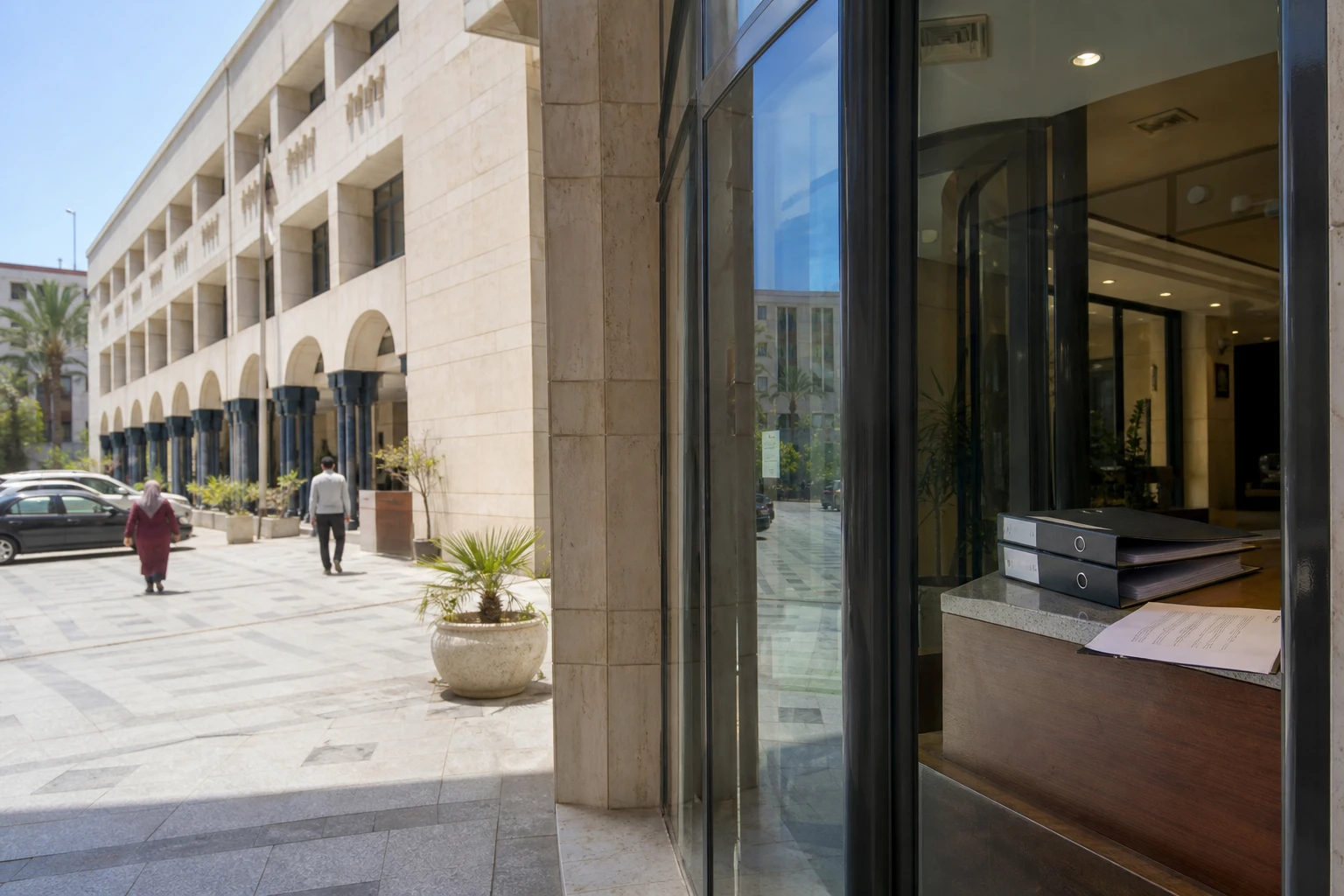
In Tripoli, the start of the school year is not being played out only in classrooms. It is also being played out on payslips, in civil servants’ households and in the ability of Libyan institutions to turn long-standing promises into enforceable decisions.
Since the start of the school year, public-school teachers have maintained their protest. The movement, which began as a sit-in, has intensified with a call for a nationwide strike. Unions are demanding higher salaries, payment of outstanding financial entitlements and a lasting improvement in working conditions.
Start of school year disrupted in several regions
Libya’s Ministry of Education had announced that the school year would officially begin on 13 September 2026. In several schools, however, lessons have not resumed as normal. Teachers have gathered in Tripoli and other cities in the west of the country to demand the implementation of salary measures provided for by law.
The protest is therefore not confined to one school or municipality. Several local unions have backed an open-ended movement, while the general body representing teachers has called for coordination between the different regions. This organisation remains important in a country where institutions are still divided between rival administrations and the implementation of public decisions can vary across territories.
The demands are primarily about income. Teachers want a unified salary scale that can reduce disparities among public-sector employees and better reflect rising prices. They are also seeking payment of salary arrears and other accumulated financial entitlements.
The movement also includes professional demands. Unions have raised the need for health insurance for teachers and their families, legal protection for the profession, compensation for teaching hours, bonuses for school managers and improvements to the school environment.
Pay dispute goes beyond higher incomes
Achraf Abou Raoui, head of the teachers’ union in the Tripoli region, has argued for comprehensive reform rather than a one-off measure. According to comments reported by the Libyan News Agency, teachers are not asking solely for a pay rise. They want a common salary scale that links pay to responsibility, qualifications and the actual cost of living.
This distinction is central. A one-off increase may provide relief to households for a few months. It does not necessarily address disparities between public sectors, payment delays or the lack of social protection. The unions’ demands therefore target the overall structure of public-sector pay.
Teachers are also rejecting a return to work based on new promises. On 27 September, the general union rejected a government request to suspend the sit-in, saying official decisions and implementation measures should come before any return to normal. This position was reported by The Libya Observer.
The Government of National Unity, for its part, says it is following the matter. Education Minister Mohamed Abdel Salam Al-Qaryou met union representatives on 15 September. The meeting produced a roadmap to examine the various outstanding issues. For the unions, however, the decisive step is moving from dialogue to implementation.
Purchasing power at the heart of public tensions
The teachers’ dispute is part of a wider crisis over public-sector pay in Libya. The proposed unified salary scale aims to reduce differences between administrations and better link salaries to the roles performed. Its implementation is complicated, however, by political fragmentation, budget disagreements and the coexistence of several decision-making centres.
Discussions involve more than the Ministry of Education. They also concern the Ministry of Finance, local administrations and the institutions responsible for approving public funding. The debate is therefore linked to state financial reform, as salaries account for a major share of public spending.
According to The Libya Observer, the Ministry of Finance presents the unified scale as one element of broader reform. The stated aim is to reduce disparities between employees while taking account of specialisation, grade and level of responsibility. For teachers, however, the reform cannot remain an administrative project. It must have a visible impact on payslips.
The rising cost of living is adding to the pressure. In households dependent on a public-sector income, housing, transport, healthcare and food costs are taking up an increasing share of earnings. The impact varies. In Tripoli, households face high prices and rents. In more remote areas, difficulties with transport, school equipment and access to services can weigh more heavily.
Pupils caught between demands and continuity of schooling
Unions say their protest is not aimed at pupils. They argue that a more secure professional status would instead improve the quality of teaching. Parents, meanwhile, fear growing delays and a disorganised school year, particularly for pupils preparing for exams.
The ministry therefore faces a dual imperative. It must respond to salary demands that teachers describe as longstanding and legitimate. It must also protect continuity of learning, as some schools already face problems with maintenance, equipment and preparations for the start of the year.
The main risk is not limited to a few lost days of lessons. A prolonged protest could widen the gap between pupils whose families can afford private tutoring and those who rely entirely on public schools. It could also weaken schools in regions where educational resources are already scarcer.
A test for Libyan governance
The teachers’ dispute is thus becoming a political and administrative test. A response limited to Tripoli would not be enough to resolve a demand backed by unions in several municipalities. Conversely, a national decision would need to specify its funding, timetable and implementation across the different administrations.
What happens next will depend on the government’s announced actions and the unions’ ability to maintain national coordination. The next discussions will need to clarify the timetable for the salary scale, the settlement of arrears and the introduction of medical coverage.
At regional level, the protest highlights an issue shared by several North African countries: ensuring public services function while protecting the purchasing power of their employees. In Libya, institutional division makes the issue more complex. A lasting solution will therefore need to combine pay equity, sustainable funding and continuity of education, from Tripoli to the country’s other regions.