Algeria
 Egypt
 Morocco
 Sudan
 Tunisia
 Benin
 Burkina Faso
 Cabo Verde
 Côte d'Ivoire
 Ghana
 Guinea
 Guinea-Bissau
 Liberia
 Mali
 Mauritania
 Niger
 Nigeria
 Senegal
 Sierra Leone
 The Gambia
 Togo
 Cameroon
 Central African Republic
 Chad
 DR Congo
 Equatorial Guinea
 Gabon
 Republic of the Congo
 São Tomé and Príncipe
 Burundi
 Comoros
 Djibouti
 Eritrea
 Ethiopia
 Kenya
 Madagascar
 Malawi
 Mauritius
 Mozambique
 Rwanda
 Seychelles
 Somalia
 South Sudan
 Tanzania
 Uganda
 Angola
 Botswana
 Eswatini
 Lesotho
 Namibia
 South Africa
 Zambia
 Zimbabwe
Security breach in western Libya has immediate consequences
When guns speak near a sensitive site, prison walls can quickly prove more fragile than paper. In Libya, this reality affects not only detainees on the run. It also touches neighbouring districts, roads, public services and strategic infrastructure.
That is what emerges from the reported escape in Surman, in the west of the country, as clashes were also shaking Zawiya. In this coastal area near Tripoli, security remains fragmented among regular forces, local armed groups and shifting alliances. Any rise in tensions can therefore quickly spill over into detention centres, roads and economic facilities.
What is known about the incident and the security climate around Tripoli
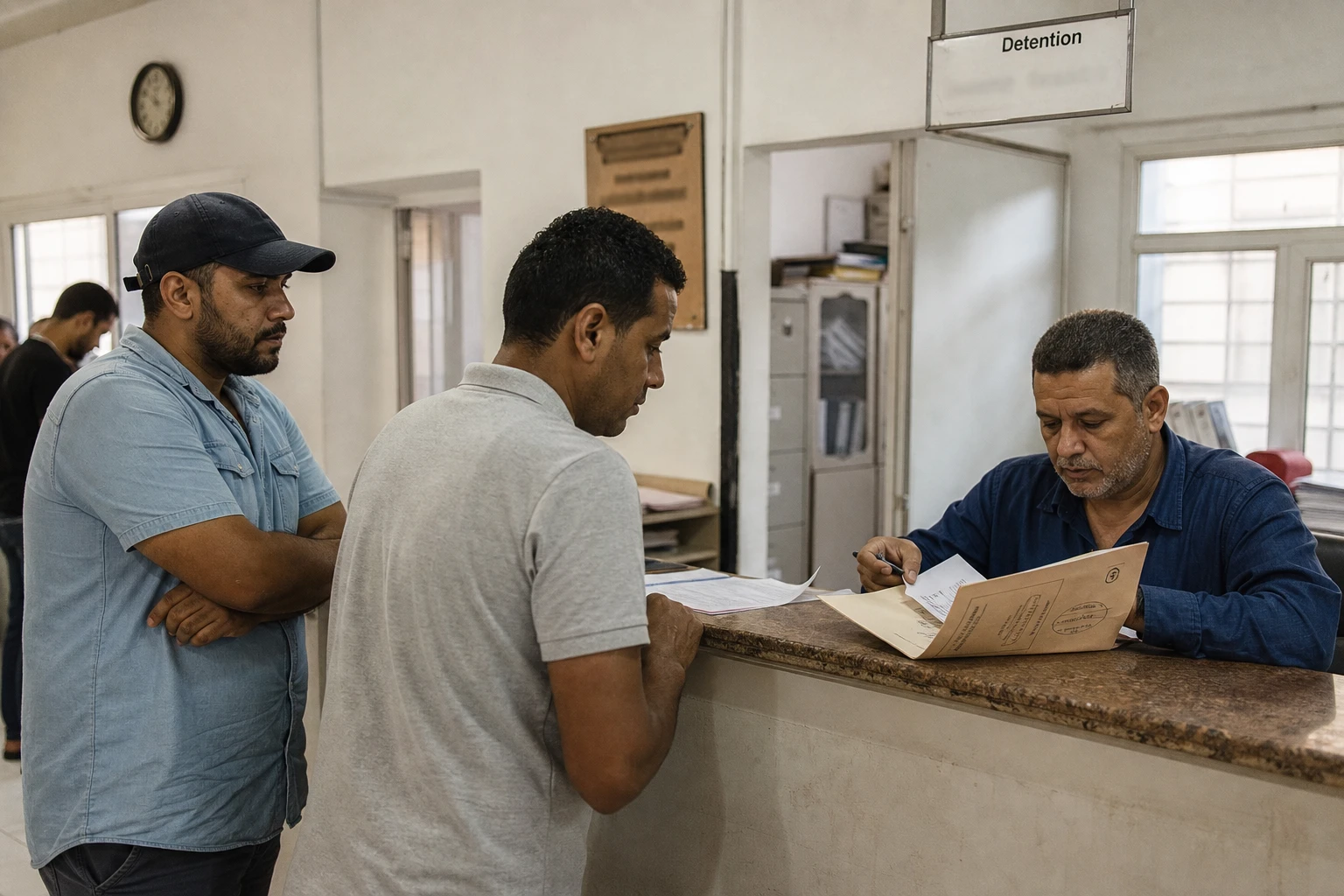
According to information corroborated so far, detainees escaped from Surman prison on Tuesday, after fighting in two neighbouring cities. The police authorities have opened an investigation, but no official figure has yet been released for the exact number of fugitives.
The escape took place amid clashes between two rival groups in Surman and Zawiya. The authorities in Zawiya reported three deaths and several injuries. At the same time, local sources said calm was gradually returning to Surman, although this did not erase the damage reported there.
Zawiya lies about 40 kilometres west of Tripoli. It is a key point on the Libyan coast. The city is also home to the country’s main operational refinery. This facility is vital to national fuel supplies. Any outbreak of violence in its immediate surroundings therefore goes beyond policing alone.
This episode is not isolated. For several months, western Libya has seen a series of armed incidents of low or moderate intensity, often linked to local rivalries, disputed arrests or power struggles over economic assets. In this landscape, prisons remain vulnerable. They depend on a fragmented security apparatus and a chain of command that is sometimes contested.
Why the escape says something broader about Libya
The first issue is judicial. An escape amid fighting complicates searches, obscures responsibility and exposes residents to further risks. If the fugitives are being sought, the central question remains who has effective control of detention facilities. In Libya, this question concerns the state’s actual authority, far beyond the ministry directly involved.
The second issue is economic. The Zawiya area is strategically important for energy, transport and trade with Tripoli. In May 2026, the United Nations Support Mission in Libya had already warned about clashes in the city, highlighting the danger to civilians and infrastructure near the oil complex. The National Oil Corporation, for its part, said it had taken emergency measures to protect its facilities and maintain supplies.
The third issue is political. Western Libya remains administered by authorities recognised in Tripoli, but security there still depends on multiple forces, sometimes rivals. This fragmentation fuels a familiar cycle: arrests, armed mobilisation, gunfire in residential areas, then attempts at local mediation. Each time, residents pay the highest price, while power networks adjust without achieving lasting stability.
For families, this means closed roads, disrupted schools, shut shops and more dangerous travel. For institutions, it means a constant challenge: restoring a credible chain of command, protecting sensitive sites and preventing detention facilities from becoming flashpoints. For Tripoli, these tensions are a reminder that the capital’s security also depends on developments in Zawiya, Surman and along the western coastal corridor.
At the national level, this case revives a broader question: how can unified public security be rebuilt in a country where the balance of power has remained fragmented for years? At the regional level, it shows that North Africa’s stability cannot be gauged solely through major political announcements, but also through local incidents that can suddenly destabilise an entire coastal corridor between Tunisia, Tripoli and the country’s interior.