Algeria
 Egypt
 Morocco
 Sudan
 Tunisia
 Benin
 Burkina Faso
 Cabo Verde
 Côte d'Ivoire
 Ghana
 Guinea
 Guinea-Bissau
 Liberia
 Mali
 Mauritania
 Niger
 Nigeria
 Senegal
 Sierra Leone
 The Gambia
 Togo
 Cameroon
 Central African Republic
 Chad
 DR Congo
 Equatorial Guinea
 Gabon
 Republic of the Congo
 São Tomé and Príncipe
 Burundi
 Comoros
 Djibouti
 Eritrea
 Ethiopia
 Kenya
 Madagascar
 Malawi
 Mauritius
 Mozambique
 Rwanda
 Seychelles
 Somalia
 South Sudan
 Tanzania
 Uganda
 Angola
 Botswana
 Eswatini
 Lesotho
 Namibia
 South Africa
 Zambia
 Zimbabwe
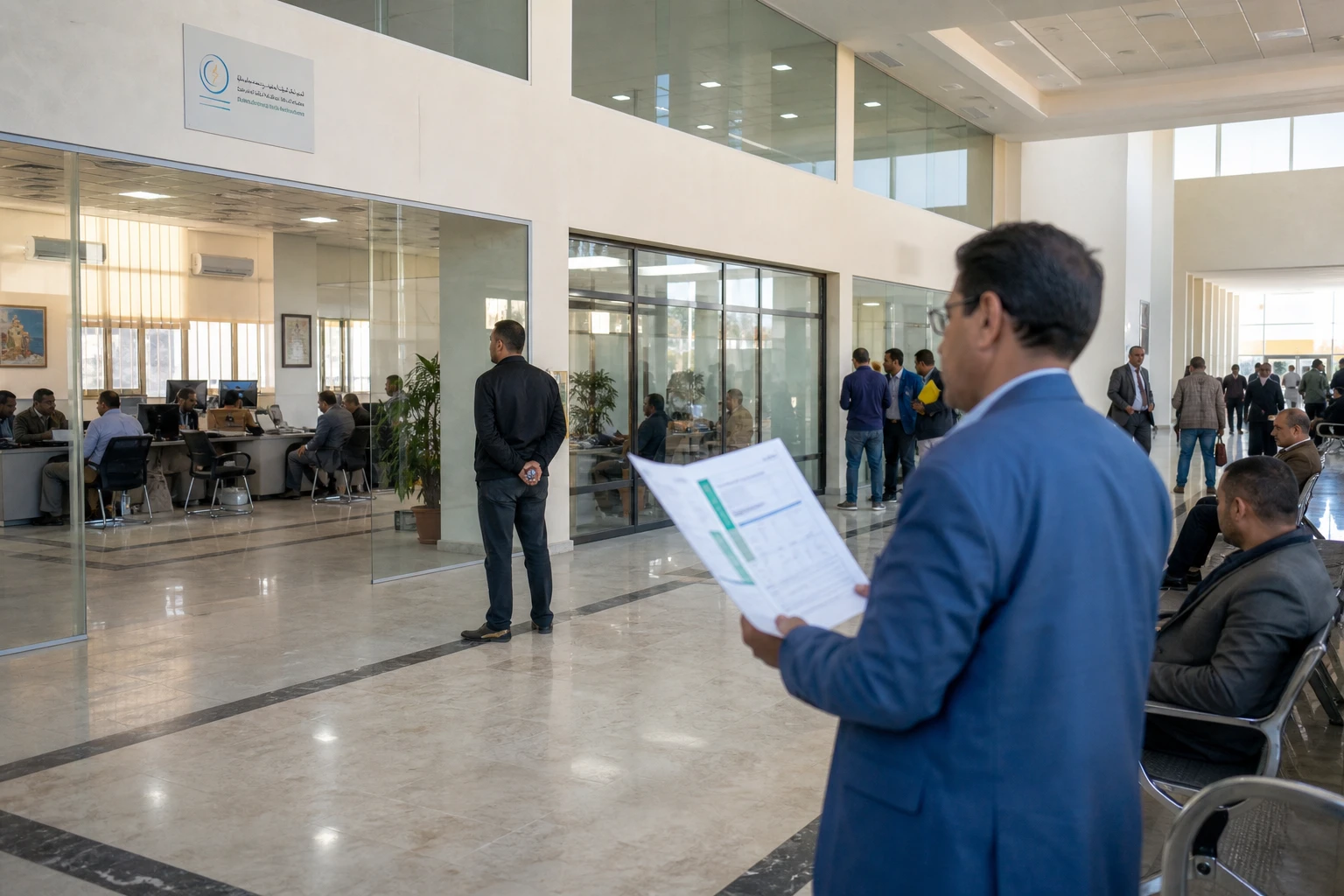
When electricity falters, gas becomes a political issue
In Tripoli, a power cut is rarely just an outage. It quickly becomes a daily ordeal, then a measure of power. In Libya, where summer heat pushes demand to its peak, people in the west of the country have once again seen tensions rise around one of the most sensitive links in the national energy system.
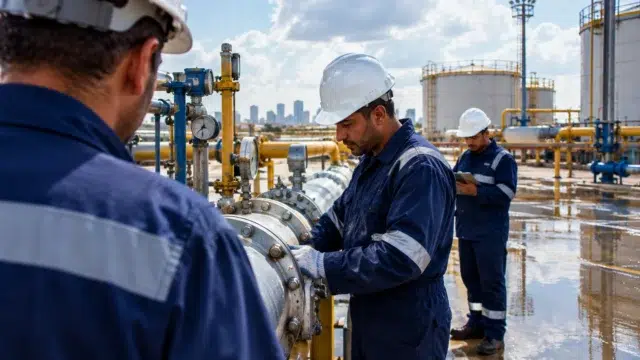
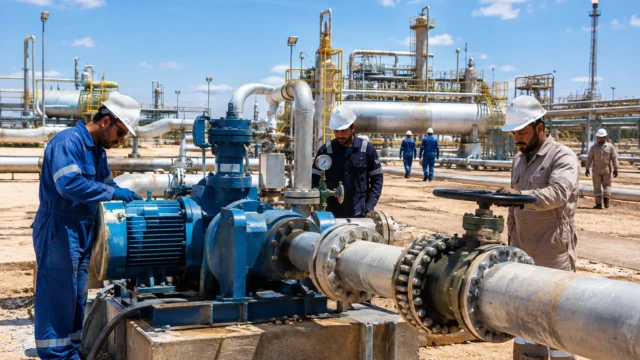
The flashpoint was the Mellitah complex on the western coast, about 80 to 90 kilometres from Tripoli. The site is more than an industrial facility. It is also a strategic hub linking Libyan production to gas supplies for the country’s power stations and to exports to Italy via GreenStream, the undersea pipeline operated by a joint venture equally owned by the National Oil Corporation and Eni.
What happened at Mellitah, and why it mattered beyond the site
In the night of 27 to 28 July 2026, protesters stormed the Mellitah complex, according to several corroborating sources. The incident halted gas lines, disrupted supplies to power stations and took several production units offline. The National Oil Corporation warned of the risk of widespread power cuts if the situation continued. By morning, security forces had retaken control of the site and the Tripoli government announced the gradual resumption of gas and electricity supplies.
The protest movement was not aimed solely at Mellitah. For several days, gatherings had been held in Tripoli, Zawiya and Misrata to denounce power cuts that could exceed 14 hours a day in some western cities, amid a heatwave. Protesters demanded better public services and, some of them, the resignation of Prime Minister Abdul Hamid Dbeibah. Anger therefore targeted a symbol of the Libyan energy state, where social pressure meets technical fragility.
The complex also has an international significance. GreenStream links Mellitah to Gela in Sicily and has transported gas to Italy from the Libyan coast. In a country where hydrocarbon exports remain the main source of public revenue, any disruption at Mellitah affects both domestic supplies and a major Mediterranean export route. The site therefore brings together three interests: household electricity, grid stability and energy ties with southern Europe.
A sector that looks strong on paper but is vulnerable on the streets
That is the Libyan paradox. In terms of output, the sector has shown signs of recovery. The National Oil Corporation said that average production in 2025 was 1.374 million barrels a day, its highest level in ten years, with total output of 501 million barrels for the year. The International Monetary Fund, for its part, notes that Libya’s wealth remains heavily dependent on hydrocarbons and that production disruptions, blockades and institutional instability continue to weigh on the economy.
But these figures do not tell the whole story. They coexist with a more volatile reality: exposed infrastructure, fragmented institutions and protests capable of blocking a site vital to electricity generation within a matter of hours. In Libya, oil revenues do not automatically shield people’s daily lives. They fund the state, but also leave the country dependent on a vulnerable power grid, massive subsidies and incomplete security around sensitive facilities.
This episode also says something about Libyan politics today. In Tripoli, Dbeibah’s government retains international recognition, but governs in an environment where local balances of power remain unstable. The UN continues to push a roadmap towards presidential and parliamentary elections, with discussions on the legal framework for the vote revived in August 2026. In this context, any electricity or fuel crisis immediately becomes a crisis of legitimacy.
The contrast is even sharper for the population. In urban neighbourhoods, outages mean nights without ventilation, slower business and disrupted family life. In areas where the informal economy dominates, every hour without electricity affects food storage, small businesses, workshops and local services. For the government, by contrast, a swift resumption of flows at Mellitah serves as proof that the state still controls the essential levers. The same event therefore prompts two opposing interpretations: relief for some, a demonstration of fragility for others.
A signal for North Africa and Mediterranean relations
The episode’s significance extends beyond Libya. In the Maghreb, the issue is not simply a local incident, but a model for governing resources. When an oil and gas facility becomes a site of social protest, it reveals the absence of a stable political channel linking the public, the state and the redistribution of revenue. It is a Libyan issue, but also a North African one, since the region’s energy, budgetary and social balances remain tied to the stability of major supply systems.
For the African Union and Mediterranean partners, the central question remains the same: how can vital infrastructure be prevented from being used as a lever of political pressure at citizens’ expense? The answer does not lie solely in security measures around facilities. It also requires decisions on electricity, investment in the grid, revenue transparency and an end to institutional limbo. In Libya, every technical recovery at Mellitah is a reminder that a lasting solution will not be purely energy-related. It will also be political.