Algeria
 Egypt
 Morocco
 Sudan
 Tunisia
 Benin
 Burkina Faso
 Cabo Verde
 Côte d'Ivoire
 Ghana
 Guinea
 Guinea-Bissau
 Liberia
 Mali
 Mauritania
 Niger
 Nigeria
 Senegal
 Sierra Leone
 The Gambia
 Togo
 Cameroon
 Central African Republic
 Chad
 DR Congo
 Equatorial Guinea
 Gabon
 Republic of the Congo
 São Tomé and Príncipe
 Burundi
 Comoros
 Djibouti
 Eritrea
 Ethiopia
 Kenya
 Madagascar
 Malawi
 Mauritius
 Mozambique
 Rwanda
 Seychelles
 Somalia
 South Sudan
 Tanzania
 Uganda
 Angola
 Botswana
 Eswatini
 Lesotho
 Namibia
 South Africa
 Zambia
 Zimbabwe
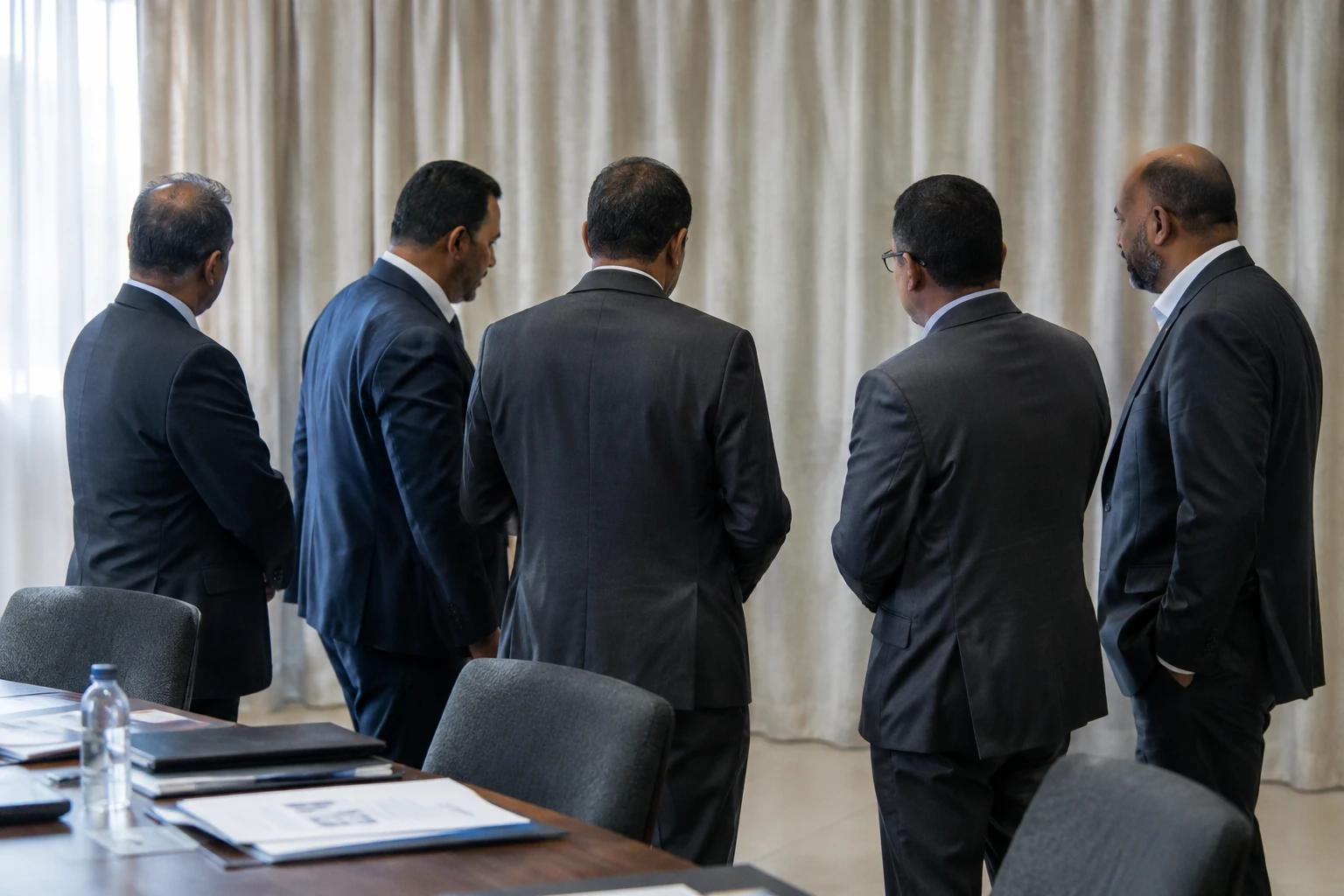
In Libya, fuel can run short at the pump even as the state pays for massive shipments. This discrepancy points to a problem that goes beyond smuggling: it tests institutions’ ability to track an essential resource from ports to petrol stations.
Public bill, hard-to-control channels
Between January and September 2026, Libya imported 8.15 million tonnes of fuel worth $8.9bn. In a briefing to the Security Council on 14 October, Hanna Tetteh, the UN secretary-general’s special representative for Libya, estimated that 30–50% of the volumes may have been diverted. Their corresponding value is estimated at between $2.4bn and $4.4bn.
These figures are estimates presented by the envoy, not the result of a public audit detailing each shipment. The range indicates the possible scale of the phenomenon, but also the limits of the data available. An independent report of the figures by a Tunisian media outlet confirms the same volumes and estimates.
Diversion does not necessarily mean that every litre leaves the country. Fuel may feed informal resale networks, the domestic black market or cross-border channels. In all cases, the state pays for supplies without ensuring that the products reach consumers and the activities for which they are intended.
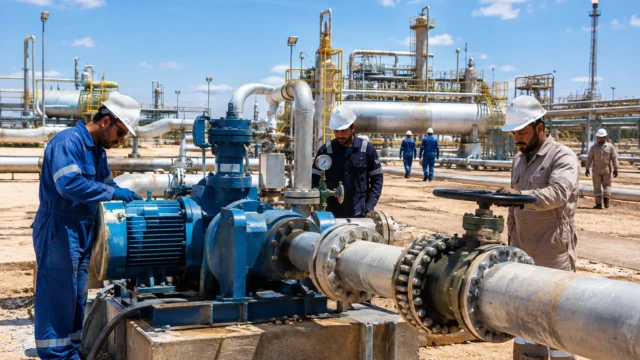
This vulnerability is linked to a complex system. The National Oil Corporation (NOC), a state-owned company based in Tripoli, imports a significant share of the refined fuels consumed in the country. Limited domestic refining capacity makes external supplies essential. The International Monetary Fund noted in 2025 that fuel imports had already reached about $9bn in 2024.
Subsidies protect prices, but not always households
Fuel in Libya is heavily subsidised. The policy keeps prices low for the population and forms part of the expected sharing of national oil wealth. But when stock and distribution controls are inadequate, some of the benefit may be captured by intermediaries rather than households.
In 2025, the IMF described a system in which the gap between subsidised prices in Libya and those charged elsewhere encourages smuggling. Its analysis also highlights that subsidies absorb substantial budgetary resources, while low revenues from sales make it harder to track flows. This economic assessment does not remove the social stakes: any price reform would weigh on Libyans if introduced without compensation guarantees or improved services.
Fuel diversion can therefore have a dual effect. Public finances pay for costly imports, while some petrol stations and businesses face shortages. Residents, transport operators and small businesses are then exposed to queues or the parallel market. Those with privileged access to supply channels, meanwhile, can benefit from price differences.
The problem is also institutional. Since the political split that took hold after 2014, competing authorities and rivalries between institutions have complicated the coordination of spending and management of resources. The NOC remains a central institution in the oil industry, but practical control of depots, roads and distribution networks rests with several actors. A decision taken in Tripoli is therefore not enough, on its own, to ensure a transparent supply chain across the country.
Oil disruptions add to the pressure
The diversions come as oil revenues remain vulnerable to infrastructure blockades. In September, pipeline closures disrupted the transport of crude from fields in the west and south-west. The NOC reported production losses on the link between Sharara and Zawiya: as of 24 September, it estimated that 720,362 barrels had been lost in four days and that its expected direct losses exceeded $75m.
The figure, provided by the state-owned company, was reported by international media. It is an NOC estimate and should be distinguished from losses related to fuel imports. Crude disrupted in pipelines and diverted refined products are two different problems, but their effects converge: lower revenues, greater pressure on supplies and a heavier bill for the state.
Dependence on oil makes these disruptions particularly significant. Hydrocarbon sales finance a large share of the budget and public spending. When production stops, the consequences can affect wages, investment and services. When imported fuel leaks from the official supply chain, the cost is borne without the intended distribution being ensured.
A Libyan issue at the crossroads of North Africa
For households, the issue is therefore not just the amount recorded in public accounts. It concerns fuel availability, the cost of travel and the ability of services to function. In large cities as well as in regions far from terminals, the effects can vary according to access to official networks and informal channels.
The issue also extends beyond Libya’s borders. Libya is a member of the Arab Maghreb Union, a North African regional organisation. Illicit fuel flows can affect neighbouring countries, while production disruptions affect oil markets and regional trade. For the African Union, the issue points more broadly to the governance of natural resources and the ability of states to convert revenues into accessible services.
Hanna Tetteh warned the Security Council that attacks on oil infrastructure could lead to UN measures. In the short term, attention will focus on the continuity of production, the regularity of imports and the publication of data that allows volumes purchased to be compared with fuel actually distributed. Over the longer term, efforts to tackle diversion will depend as much on controls over supply channels as on political coordination between rival institutions.
The central question remains how oil wealth is actually shared. Reducing losses without undermining purchasing power requires credible controls, transparent accounts and distribution that genuinely benefits the population. Without these conditions, increased imports risk continuing to coexist with shortages and public services under pressure.