Algeria
 Egypt
 Libya
 Morocco
 Sudan
 Tunisia
 Benin
 Burkina Faso
 Cabo Verde
 Ghana
 Guinea
 Guinea-Bissau
 Liberia
 Mali
 Mauritania
 Niger
 Nigeria
 Senegal
 Sierra Leone
 The Gambia
 Togo
 Cameroon
 Central African Republic
 Chad
 DR Congo
 Equatorial Guinea
 Gabon
 Republic of the Congo
 São Tomé and Príncipe
 Burundi
 Comoros
 Djibouti
 Eritrea
 Ethiopia
 Kenya
 Madagascar
 Malawi
 Mauritius
 Mozambique
 Rwanda
 Seychelles
 Somalia
 South Sudan
 Tanzania
 Uganda
 Angola
 Botswana
 Eswatini
 Lesotho
 Namibia
 South Africa
 Zambia
 Zimbabwe
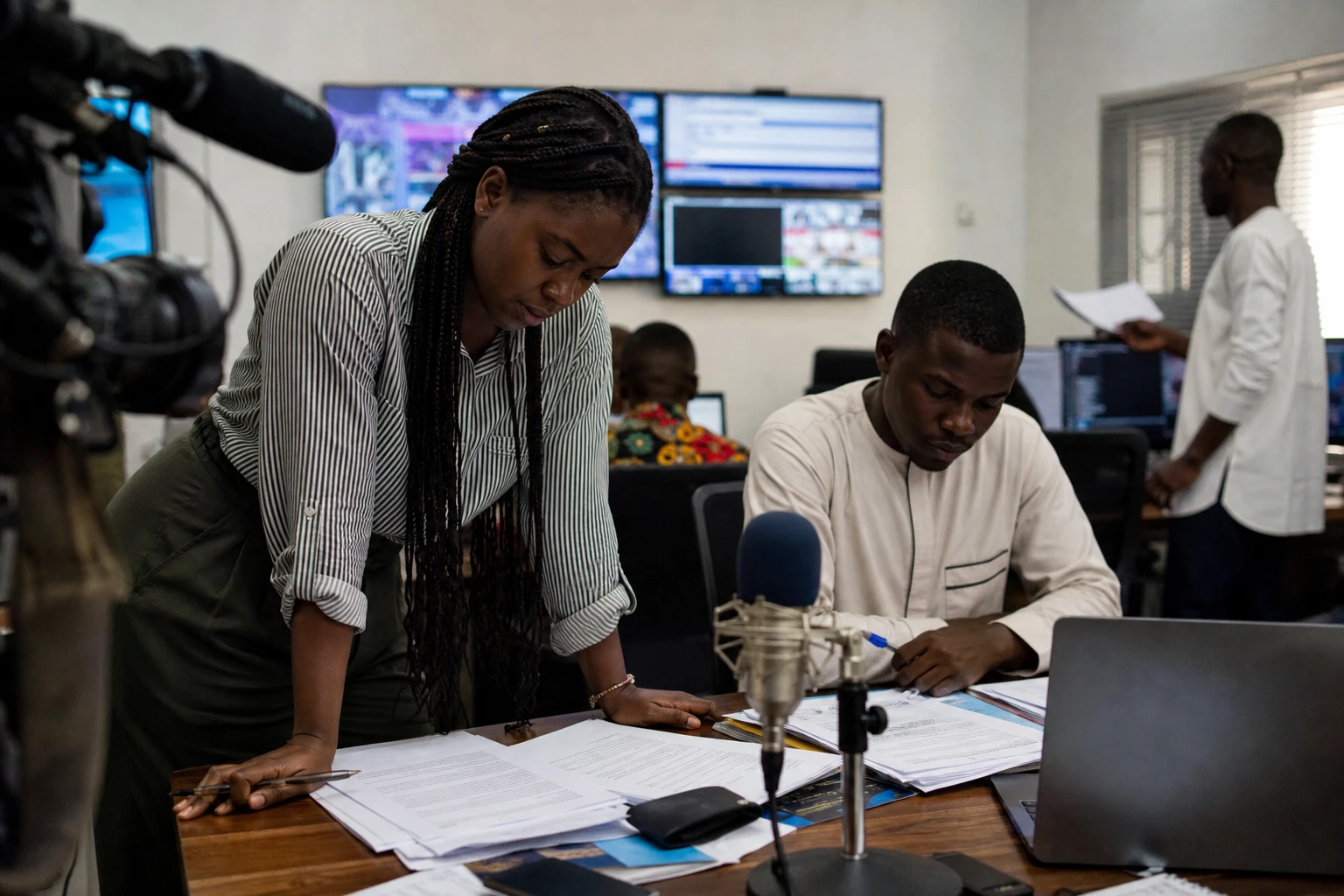
In Koumassi, an eviction becomes a matter of state
In Abidjan, an operation meant to clear a high-risk site has raised a much broader question: who decided what, on what grounds, and within what limits? In the municipality of Koumassi, the Koumassi Campement case is now less a straightforward demolition matter than a test of land governance, administrative coordination and respect for procedures.
The issue is sensitive in Côte d’Ivoire, where urban pressure on land remains intense across Greater Abidjan. The political capital is Yamoussoukro, but the economic and administrative heart of the country beats in Abidjan, in an autonomous district that concentrates investment, informal settlements, flood risks and tensions over land. The question is therefore not only judicial. It also concerns how the state balances public safety, property rights and the protection of low-income households.
On 3 June 2026, several hundred families were evicted from Koumassi Campement. The site, in southern Abidjan, saw its homes and businesses demolished by bulldozers. The prosecutor’s office has since established that the affected area covers 6.8 hectares, or 250 plots spread across seven blocks, with plots held under different land tenure statuses: some in full ownership, others in the name of the state, and still others without title deeds. These details matter because they show that this was not a uniform area, but an urban fabric with a range of legal statuses.
What the investigation says — and what it reveals
On 16 September 2026, Koné Braman Oumar, the public prosecutor at the Abidjan Court of First Instance, gave an update on the investigation. He said that 15 other people had been questioned since proceedings began on 10 June 2026, and that further suspected responsibilities had emerged during the hearings. Those named include the governor of the autonomous district of Abidjan, Ibrahima Cissé Bacongo, who was questioned as part of the investigation.
According to information reported by the prosecutor’s office, the governor said the operation had been carried out under the ORSEC plan, the national disaster prevention and management framework, often mobilised in response to flooding. He also maintained that the operation aimed to clear the site and demolish illegal structures. But the prosecutor’s office says it found plots with property deeds, complicating the case and making it necessary to distinguish the risks of unregulated occupation from the legal status of each plot.
The prosecutor’s office has also stressed another point: the presence of security forces at the site. It says the district of Abidjan requested their deployment. It remains to be established exactly under what framework they were mobilised, and whether their presence covered the entire area concerned. This is one of the case’s unresolved questions, with direct implications for the chain of administrative responsibility.
The case’s central legal issue also concerns the court ruling cited to justify the operation. The prosecutor’s office says it did not authorise demolitions, but only the eviction of five homes. In other words, the legal argument put forward on the ground may not have matched the ruling’s actual scope. This is a key point, as it distinguishes an execution governed by law from an operation that may have exceeded its legal basis.
The main person implicated, Alloui Brou Jacques, was arrested on 18 June 2026 after a video circulated in which he claimed responsibility for the destruction. The prosecutor’s office says he was remanded in custody on 29 June. The investigation is also examining the role of a member of parliament for Gouméré-Tabagne, whom the prosecutor says played a decisive role and provided the main funding. Here too, these are allegations being examined in ongoing proceedings, not a final conclusion.
The case extends beyond the courtroom. The High Authority for Good Governance has already begun a documentary review of the matter. Its inquiries focus in particular on the alleged allocation of 34 hectares, land reclamation, the use of public force and the demolitions. The investigation’s focus on integrity is significant. It shows that the issue is not only about land or social concerns. It also touches on the use of public resources, the transparency of official acts and oversight of local decisions.
Against this backdrop, the rainy season makes the issue even more sensitive. From July 2026, Ivorian authorities reiterated the need to relocate people living in high-risk areas, with logistical and financial support. The government also announced assistance for households affected by evictions in the District of Abidjan. This public policy framework is intended to address a familiar urban reality: in a city where flood risks coexist with dense development, sanitation becomes a matter of public safety. But without clear procedures, it can also create new social hardship.
For families, the stakes are concrete and immediate: housing, schooling, economic activity and access to basic services. For the authorities, the challenge is to show that evictions can be carried out methodically, with compensation and proper records. For local elected officials and administrative leaders, the case raises a question of political accountability. Can a decision made in the name of urban order disregard property titles, court rulings and avenues of appeal?
At the national level, the case says something about Côte d’Ivoire today: a country that is building, becoming more densely populated and seeking to better regulate urban expansion, but where land remains one of the areas most exposed to conflict. Across West Africa, the signal is equally clear. In several ECOWAS capitals, urban growth, property pressures and climate risks create the same challenge: making cities safer without further undermining households. This is where the credibility of public action is at stake.
What happens next will depend on the hearings, the evidence submitted to the case file and any requests made to the institutions concerned. But one thing is already clear: in Koumassi Campement, the debate is no longer just about an eviction. It is now about how the Ivorian state draws the line between urban urgency and legality.