Algeria
 Egypt
 Libya
 Morocco
 Sudan
 Tunisia
 Benin
 Burkina Faso
 Cabo Verde
 Côte d'Ivoire
 Ghana
 Guinea
 Guinea-Bissau
 Liberia
 Mali
 Mauritania
 Niger
 Nigeria
 Senegal
 Sierra Leone
 The Gambia
 Togo
 Cameroon
 Chad
 DR Congo
 Equatorial Guinea
 Gabon
 Republic of the Congo
 São Tomé and Príncipe
 Burundi
 Comoros
 Djibouti
 Eritrea
 Ethiopia
 Kenya
 Madagascar
 Malawi
 Mauritius
 Mozambique
 Rwanda
 Seychelles
 Somalia
 South Sudan
 Tanzania
 Uganda
 Angola
 Botswana
 Eswatini
 Lesotho
 Namibia
 South Africa
 Zambia
 Zimbabwe
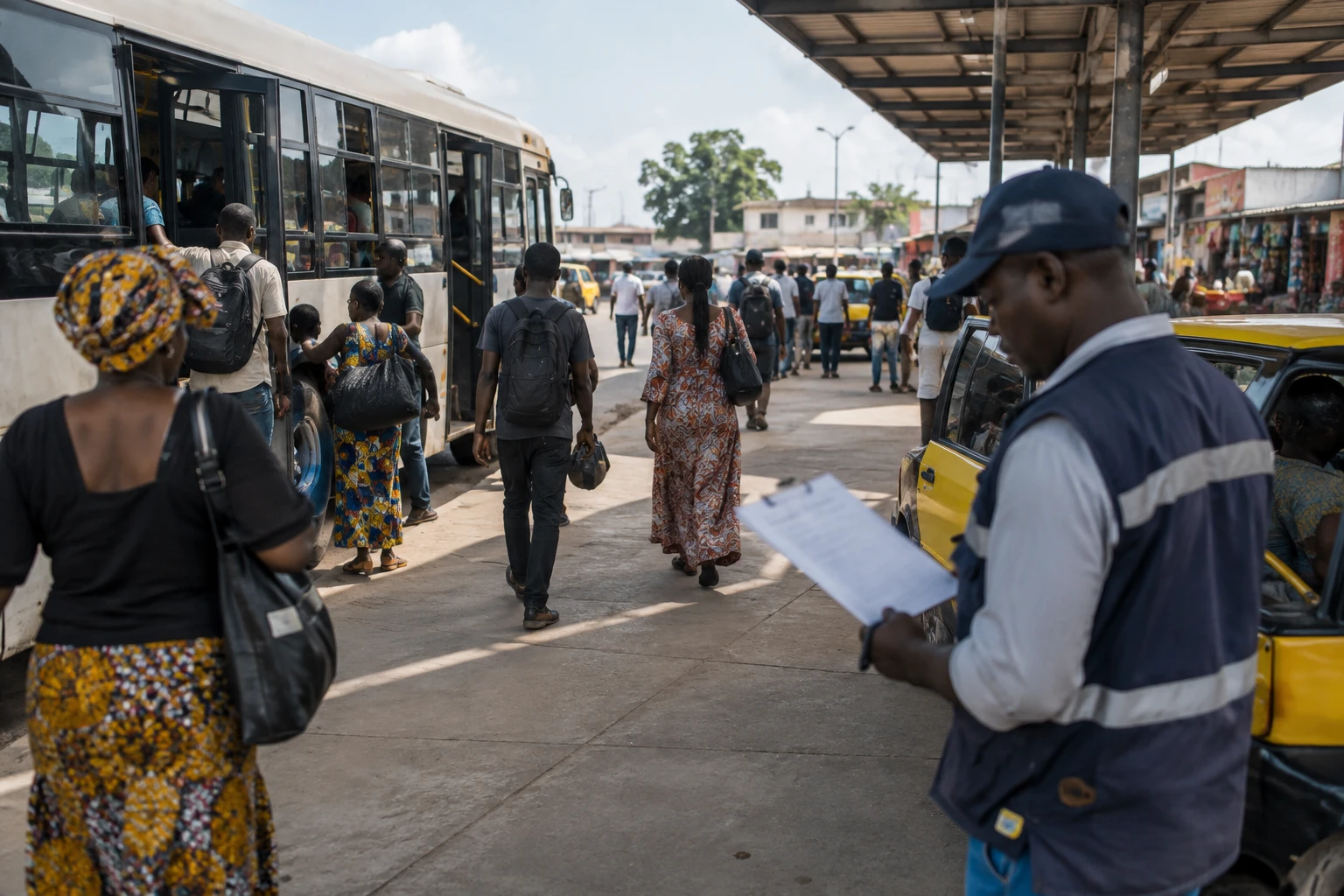
In Bangui, crimes committed in detention facilities in 2013 remain at the heart of an ongoing wait: for criminal responsibility to be established and victims’ suffering to be recognised. In The Hague, proceedings against Mahamat Saïd Abdel Kani have now entered the sentencing phase.
A trial linked to the 2013 violence
The 2013 crisis in the Central African Republic pitted the Séléka coalition, which had seized power in March, against anti-balaka groups, among others. In this context, the Central Office for the Repression of Banditry (OCRB) in Bangui was used as a detention facility. The ICC examined the alleged acts against Mahamat Saïd Abdel Kani in this specific context; the case does not, on its own, sum up the violence of the period.
The case falls under the situation in the Central African Republic known as “CAR II”, opened after the Central African authorities referred it to the International Criminal Court. The ICC tries individuals accused of crimes within its jurisdiction. In parallel, the Special Criminal Court, established in the Central African Republic with United Nations support, also deals with serious crimes committed in the country.
Guilt established, sentence still pending
The trial of Mahamat Saïd Abdel Kani opened on 26 September 2022. On 23 September 2026, ICC judges found him guilty of crimes against humanity: imprisonment or severe deprivation of liberty, torture, persecution and other inhumane acts. The crimes for which he was convicted took place at the OCRB in Bangui between 12 April and 30 August 2013.
The guilty verdict does not yet determine the length of the sentence. Sentencing hearings are scheduled for 10 and 11 November 2026. Prosecutors, victims’ representatives and the defence are to present their positions before the judges deliver their decision. The ICC said the guilty verdict could be appealed within the time limits set by the Court.
A figure cited at an earlier stage of the case should therefore not be presented as the sentence ultimately decided. As of 11 November, the sentence remains to be determined. The proceedings thus distinguish between two questions: the crimes for which Saïd was found guilty and the punishment the judges deem appropriate.
What the decision means for victims
Judicial recognition does not, by itself, repair the consequences of the violence. It does, however, establish facts and individual responsibility following an adversarial trial. The testimony heard and debates on the sentence also give victims a formal place in the proceedings, through their legal representatives.
The practical impact of the decision will also depend on the sentence, available appeals and any reparations measures that may be considered. For families and survivors, these steps are distinct: a criminal conviction recognises responsibility, while reparations address other needs and follow their own rules.
The trial also highlighted the limits of international justice conducted far from the places concerned. Hearings are held in The Hague, while the crimes and many of the victims are linked to Bangui. The ICC relies on the cooperation of national authorities and the participation of victims, but it does not replace the Central African Republic’s judicial institutions.
A national and regional justice challenge
For the Central African Republic, this case forms part of a broader effort to establish responsibility for crimes committed over the course of successive crises. The Special Criminal Court is a complementary national mechanism. Coordination between courts, witness protection and victims’ access to proceedings remain essential if cases are not to be tried only abroad.
At regional level, the Central African Republic is a member of the Economic and Monetary Community of Central Africa (CEMAC), which brings together several Central African states around economic cooperation. The organisation has no judicial role in the case. But the fight against impunity concerns the whole region, where cooperation between states can affect arrests, investigations and the protection of people at risk.
The conviction of Mahamat Saïd Abdel Kani is an important decision in a case relating to the 2013 violence. It concludes neither possible appeals nor the work of justice in the Central African Republic. The immediate next step is for the ICC to set the sentence; beyond that, the relationship between international and national justice will remain crucial for victims.