Algeria
 Egypt
 Libya
 Morocco
 Sudan
 Tunisia
 Benin
 Burkina Faso
 Cabo Verde
 Côte d'Ivoire
 Ghana
 Guinea-Bissau
 Liberia
 Mali
 Mauritania
 Niger
 Nigeria
 Senegal
 Sierra Leone
 The Gambia
 Togo
 Cameroon
 Central African Republic
 Chad
 DR Congo
 Equatorial Guinea
 Gabon
 Republic of the Congo
 São Tomé and Príncipe
 Burundi
 Comoros
 Djibouti
 Eritrea
 Ethiopia
 Kenya
 Madagascar
 Malawi
 Mauritius
 Mozambique
 Rwanda
 Seychelles
 Somalia
 South Sudan
 Tanzania
 Uganda
 Angola
 Botswana
 Eswatini
 Lesotho
 Namibia
 South Africa
 Zambia
 Zimbabwe
In Conakry, memory is more than an archival matter
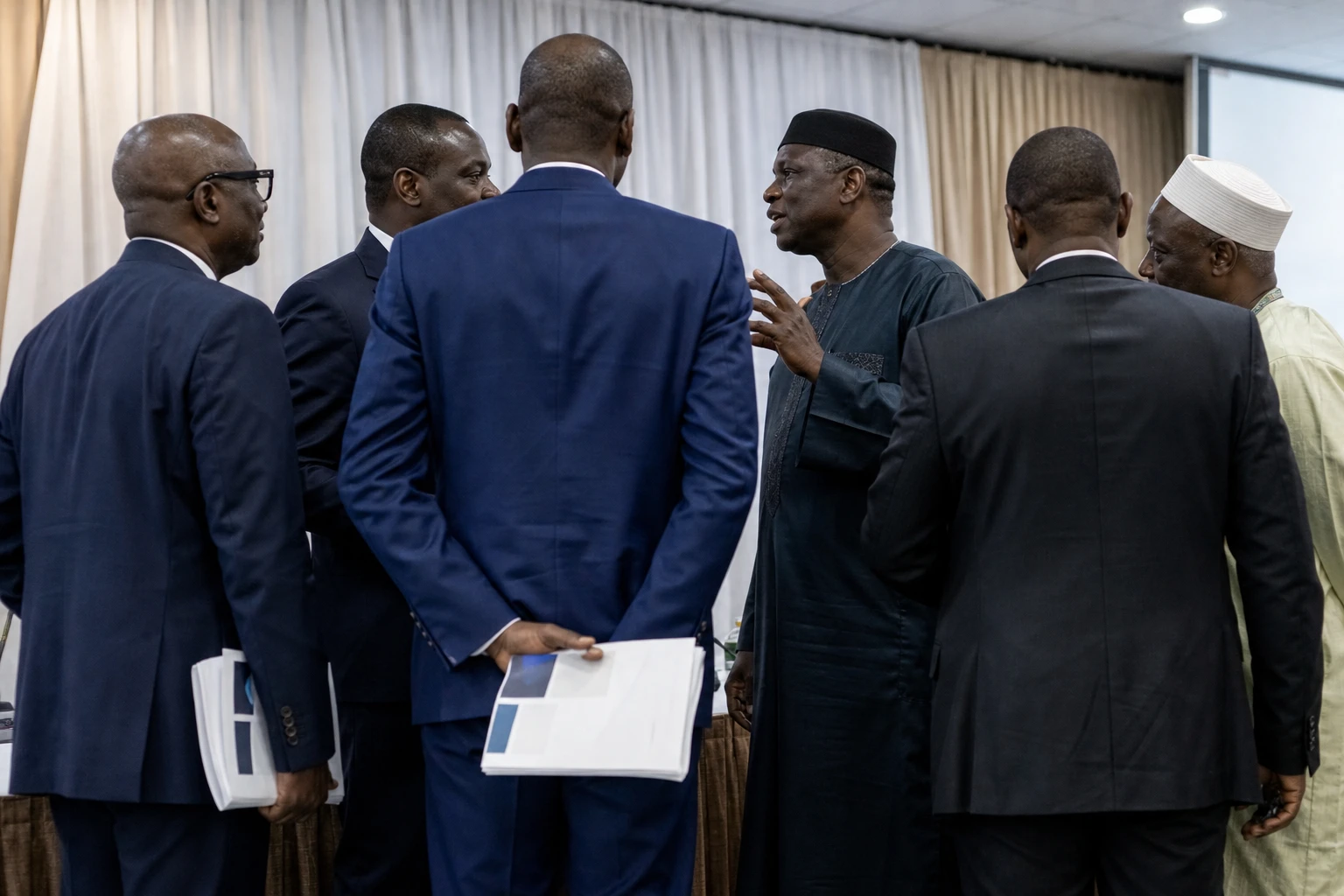
In Guinea, the restitution of heritage is not just a cultural issue. It touches on political history, education, museums and the way a country tells the story of its founding figures. When Conakry asks for manuscripts held in France to be returned, it is not simply seeking an old object. It is seeking to regain control of a memory forged in resistance, Islamic scholarship and colonial conquest.
The initiative comes at a pivotal moment. On 9 May 2026, France adopted a law creating a more flexible framework for the restitution of cultural property acquired illicitly, with Parliament to be informed and cooperation with requesting states strengthened. For African countries, this development matters. It loosens a legal constraint long criticised by the continent’s cultural diplomacy services.
A longstanding case, renewed methodically
In mid-June 2026, a Guinean delegation visited the Musée de l’Armée in Paris to examine the Quran attributed to Samory Touré, leader of the Wassoulou Empire and a major figure in the resistance to the French conquest of West Africa. According to information corroborated by the international press and Guinea’s Ministry of Culture, the visit laid the groundwork for an official request for restitution submitted to Paris.
The symbolism is not new. As early as 1968, Sékou Touré had asked France to return Samory Touré’s Quran, sword and boubou on the tenth anniversary of Guinea’s independence. More than half a century later, the request has resurfaced, but within a more institutional framework. This time, it forms part of a broader heritage strategy led by Guinea’s Ministry of Culture and by figures from the book and research sectors.
The Musée de l’Armée itself says it has been researching the provenance of its African collections for several years. It says it holds 2,248 entries relating to objects from Africa, most of which entered the collections between 1850 and 1930. The museum also says it prioritises research into items linked to major historical and identity-defining figures. In other words, the Guinean case has not emerged from an administrative vacuum: it fits into work already under way on the French side.
Why this Quran matters so much to Guinea
Samory Touré’s Quran is worth far more than a collector’s relic. For many Guineans, it encapsulates a memory of sovereignty, faith and resistance. Samory Touré is not merely part of the region’s military past. He remains a major historical reference in the national imagination, alongside other figures in West Africa’s anti-colonial struggle.
The country is also seeking to give this memory structure. In several recent initiatives, Guinea’s Ministry of Culture has referred to a heritage inventory, the promotion of historic sites and plans for cultural infrastructure. In Conakry, then, the issue goes beyond bilateral diplomacy. It also concerns museum practice, education and the place of heritage in the cultural economy.
This matters to the public. In a country where cultural institutions are still seeking to strengthen their resources, the return of such an object would be more than a symbolic gesture. It could support exhibitions, academic research, publications and educational programmes in local languages as well as French. It is also a way of saying that the national story is built in Conakry, not only in Parisian display cases.
A Guinean case, but also a West African one
The case resonates beyond Guinea. In recent years, several West African states have revived the question of objects, archives and human remains removed during the colonial period. The momentum is no longer isolated. It is part of the growing strength of African heritage policies, backed by the African Union, UNESCO and national administrations taking a more active approach to the provenance of collections.
France’s new law could speed up requests that are already well advanced, but it does not eliminate negotiations. Each case will have its own history, evidence, inventories and political decisions. This is where Guinea is seeking to make a difference: by documenting the items it wants returned and linking restitution with research and museum cooperation. This approach brings it closer to a cultural diplomacy that is increasingly confidently pursued across Africa.
A further phase now bears watching. The French government must inform Parliament of the requests it receives, then proceed case by case towards decisions to remove items from the public domain and any restitution decrees. For Guinea, the challenge is clear: to turn a heritage request into a concrete result without losing sight of the case’s historical dimension. For West Africa, the episode will also show whether restitutions are finally entering a more transparent, regular and less exceptional phase.