Algeria
 Egypt
 Libya
 Morocco
 Sudan
 Tunisia
 Benin
 Burkina Faso
 Cabo Verde
 Côte d'Ivoire
 Guinea
 Guinea-Bissau
 Liberia
 Mali
 Mauritania
 Niger
 Nigeria
 Senegal
 Sierra Leone
 The Gambia
 Togo
 Cameroon
 Central African Republic
 Chad
 DR Congo
 Equatorial Guinea
 Gabon
 Republic of the Congo
 São Tomé and Príncipe
 Burundi
 Comoros
 Djibouti
 Eritrea
 Ethiopia
 Kenya
 Madagascar
 Malawi
 Mauritius
 Mozambique
 Rwanda
 Seychelles
 Somalia
 South Sudan
 Tanzania
 Uganda
 Angola
 Botswana
 Eswatini
 Lesotho
 Namibia
 South Africa
 Zambia
 Zimbabwe
When the electric transition hits the grid wall
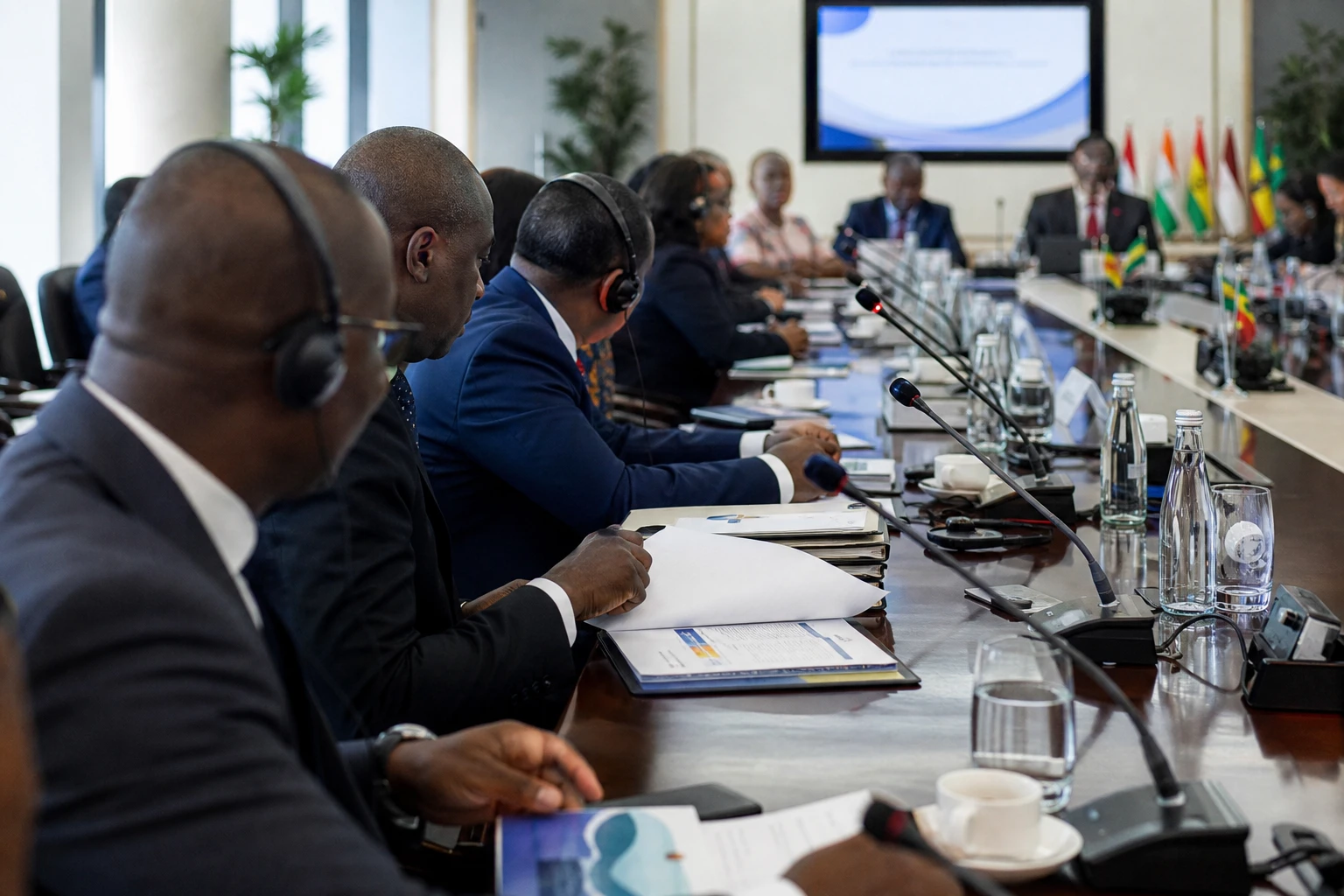
In Accra, electric cars are no longer just a showcase issue. They are becoming a question of the grid, cost and reliability. For Ghana, the real debate is therefore not only about clean vehicles. It also concerns the system’s ability to power industry, mines, digital services and new household uses without undermining the whole system.
This pressure is emerging in a country where electricity remains a key driver of growth, but also a fault line. Ghana is part of ECOWAS, the West African bloc where interconnections and energy exchanges are not always enough to absorb national consumption peaks. The issue therefore goes beyond the car market alone. It touches on energy sovereignty, industrialisation and the quality of public services.
What the sector’s figures show
Ghana’s energy system is already under pressure. In its Energy Outlook for Ghana 2026, the Energy Commission projects peak demand of 4,581 MW in December 2026, compared with 4,283 MW recorded in 2025. Total electricity consumption, including losses, is estimated at 28,992 GWh in 2026, a rise of 7.3%. Reliable available capacity is put at 5,455 MW, but the reserve margin is expected to remain below the planning threshold of 18% for most of the year.
These figures explain the warning issued by the Minister for Energy and Green Transition, John Abdulai Jinapor, at the Future of Energy Conference 2026, held in Accra on 25 August. His message is simple: Ghana cannot promise more electricity uses, particularly in transport, without strengthening local distribution, transformers and load planning at the same time. Several Ghanaian media outlets reported that he stressed the need to make electricity affordable and reliable to support industry.
The context is not limited to peak consumption. The Energy Commission also notes that thermal generation rose sharply in 2025 because of gas constraints, leading to greater use of more expensive liquid fuels. In other words, every new electricity demand is already running up against a system constrained by fuel, maintenance and cost.
A rapidly growing electric vehicle market
Electric mobility is advancing in Ghana faster than much of the infrastructure can adapt. Data reported by Ghanaian and United Nations institutions indicate that, by October 2025, the DVLA had registered more than 1,200 fully electric vehicles, compared with fewer than 200 in 2022. Including hybrids, the electrified fleet then exceeded 20,000 vehicles. This points to a market that is still young, but already real.
The main driver of adoption is economic. Ghanaian authorities estimate that using an electric vehicle can reduce fuel costs by about 40%. In a country where pump prices weigh on households, service drivers and small businesses, the argument quickly resonates. It carries all the more weight because lower running costs often matter more than the technology itself.
Ghana is also preparing more detailed rules. Official and para-public sources have said that national standards for chargers and batteries are being drawn up, while vehicle number plates are to include a distinctive marking for electric vehicles. The country is therefore already working on identification, safety and oversight of the sector, signalling a shift from experimentation to regulation.
What fast charging means for Accra and inland cities
The heart of the problem lies in fast charging. The minister explained that some private stations can charge a vehicle in just a few minutes. But that speed comes at a cost: it concentrates heavy electricity demand into a very short period. Where the local grid is already fragile, such a peak can blow a transformer or cause localised outages. The risk is especially apparent in densely populated urban commercial districts, but it also affects secondary cities where distribution networks are less robust.
For users, the transition can therefore be both beneficial and constrained. It lowers the energy bill for travel, but depends on a stable grid. For charging-point operators, it opens up a new market, but one that cannot grow without authorisation, technical coordination and investment in the grid. For public services, finally, it requires a trade-off: supporting innovation without creating new areas of overload.
It is against this backdrop that the ministry is backing a bill submitted to Parliament. The text would require Energy Commission approval before new charging stations can be installed. The aim is clear: map future loads, anticipate transformer needs and strengthen the grid wherever demand takes hold. This is no mere administrative formality. It is a tool for managing the pace of the transition.
A national issue with West African implications
Ghana’s experience matters to all of West Africa. Across the region, several states are seeking to reduce their dependence on imported fuels while modernising transport. But Ghana is a reminder of a reality that is often underestimated: electrifying vehicles only makes sense if grid governance, urban distribution and regulation of electricity use are electrified too. ECOWAS, national regulators and public operators will have to contend with this new demand, which is arriving faster than common standards.
The issue is also political. The government wants energy to support industrialisation, not merely serve as a basic utility. This reflects an increasingly shared view in Accra: the challenge is not to multiply equipment, but to build a complete value chain, from tariffs to maintenance, from the grid to data, and from charging to technical skills. Only then can electric mobility become a structured sector rather than an additional burden on an already strained system.
The next steps will hinge on two concrete milestones: parliamentary consideration of the bill governing charging points and, above all, the country’s ability to maintain its electricity reserve in 2026. If Ghana achieves this balance, it could become a regional point of reference. If it fails, the electric car will remain a symbol of the future sitting on a grid from the present.