Egypt
 Libya
 Morocco
 Sudan
 Tunisia
 Benin
 Burkina Faso
 Cabo Verde
 Côte d'Ivoire
 Ghana
 Guinea
 Guinea-Bissau
 Liberia
 Mali
 Mauritania
 Niger
 Nigeria
 Senegal
 Sierra Leone
 The Gambia
 Togo
 Cameroon
 Central African Republic
 Chad
 DR Congo
 Equatorial Guinea
 Gabon
 Republic of the Congo
 São Tomé and Príncipe
 Burundi
 Comoros
 Djibouti
 Eritrea
 Ethiopia
 Kenya
 Madagascar
 Malawi
 Mauritius
 Mozambique
 Rwanda
 Seychelles
 Somalia
 South Sudan
 Tanzania
 Uganda
 Angola
 Botswana
 Eswatini
 Lesotho
 Namibia
 South Africa
 Zambia
 Zimbabwe
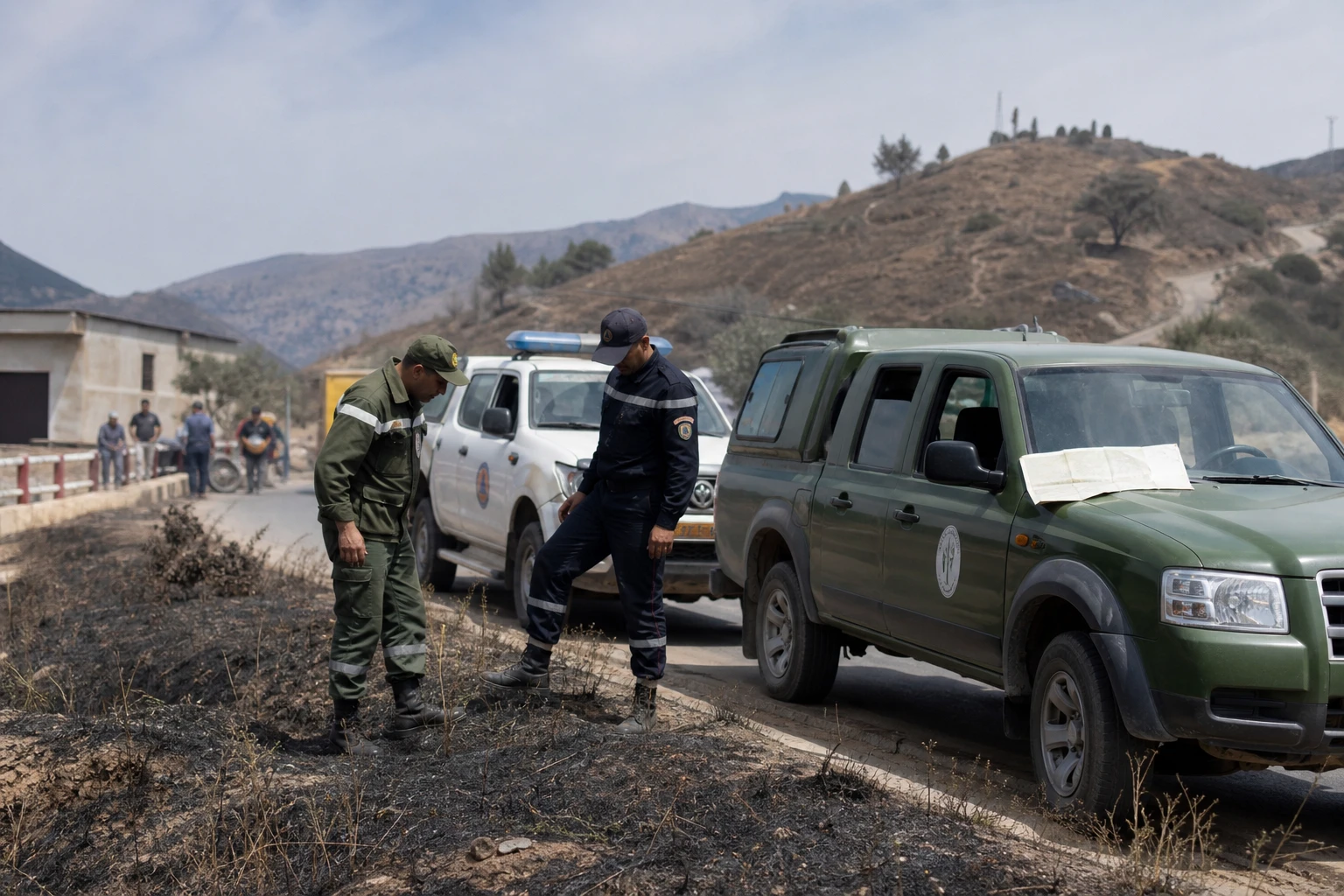
An alert highlighting the vulnerability of north-eastern Algeria
When fire spreads across the hills, it does not just affect trees. It cuts roads, puts villages at risk and forces emergency evacuations. In Algeria, this reality has emerged once again in several north-eastern wilayas, as the country endures an intense heatwave. Authorities reported at least 12 deaths and 54 injuries in forest fires across Jijel, Béjaïa and Tizi Ouzou.
The term wilaya refers to an administrative province. Here, it applies to three highly exposed areas, spanning coastline, scrubland and wooded mountain ranges. Béjaïa, about 300 kilometres from Algiers, also saw residents evacuated. In a crisis of this kind, the capital is not the only vantage point. The initial effects often unfold far from decision-making centres, in mountain municipalities and areas where access for emergency services remains difficult.
What official figures and reports from the ground say
Algeria’s interior minister gave a precise breakdown of the casualties: five deaths in Jijel, four in Béjaïa and three in Tizi Ouzou. Other figures reported locally initially put the number of victims in Béjaïa lower, before the authorities consolidated the totals. This reflects a recurring feature of crises of this kind: initial reports are often incomplete and become more precise as emergency services reach the affected areas.
Firefighters were deployed to 159 reported fire outbreaks nationwide, according to figures cited by media and news agencies, with blazes active or being brought under control in several wilayas. Three major roads linking the east of the country were closed, showing that fires are not confined to forested areas: they also disrupt traffic, supplies and residents’ journeys.
Authorities also referred to 1,500 people evacuated during previous episodes and a rapid rise in the number of fires during the summer. In the wilayas of Béjaïa, Jijel and Tizi Ouzou, fires put pressure on families, farms, apiaries, orchards and small roadside businesses. The social cost is immediate, long before damage to forests is assessed.
Why the fire season is taking a heavier toll
Algeria’s fires cannot be viewed as isolated accidents. The country regularly faces periods of extreme heat and drought that extend the fire season and make fires easier to spread. International climate agencies share this assessment: in North Africa, heatwaves are becoming more frequent and intense, while droughts are worsening in several parts of the Mediterranean basin.
This climate context affects an area that is already vulnerable. Northern Algeria is home to most of the country’s forests, but also has a high population density, roads, farmland and villages perched on hillsides. When the wind picks up, fire can spread rapidly through these connected areas of vegetation and habitation. This is where civil protection, forestry services and local authorities play a decisive role, using mobile units, aerial resources and centralised coordination procedures.
Algeria has experienced far higher death tolls. The fires of summer 2023 killed dozens of people in the north of the country, particularly in Béjaïa, Jijel and Tizi Ouzou, and prompted judicial investigations as well as increased resources. The precedent remains fresh in people’s minds. It showed that a forest fire in this part of the Maghreb can become a human, logistical and political crisis within hours.
An issue for Algeria, the Maghreb and Africa
Beyond Algeria, the episode points to a continental challenge: adapting prevention, monitoring and rapid-response policies to more frequent extreme events. For North Africa, this means better links between weather services, civil protection, rural planning and forest management. It also means recognising that the issue is not solely environmental. It affects residents’ mobility, local food security and the economic continuity of mountain municipalities.
In this latest episode, Algiers faces a test of capacity. State services must protect lives, then assess the damage, then compensate people and rebuild. But the fundamental question is about the long term: how to reduce the vulnerability of forested wilayas before next summer. Across the continent, the response requires more targeted public policies, earlier alerts and greater consideration of rural areas. The coming days will show above all whether the fires still burning are contained and whether losses can be assessed at the pace of a crisis that is moving fast.