Algeria
 Egypt
 Libya
 Morocco
 Sudan
 Tunisia
 Benin
 Burkina Faso
 Cabo Verde
 Côte d'Ivoire
 Ghana
 Guinea
 Guinea-Bissau
 Liberia
 Mali
 Mauritania
 Niger
 Nigeria
 Sierra Leone
 The Gambia
 Togo
 Cameroon
 Central African Republic
 Chad
 DR Congo
 Equatorial Guinea
 Gabon
 Republic of the Congo
 São Tomé and Príncipe
 Burundi
 Comoros
 Djibouti
 Eritrea
 Ethiopia
 Kenya
 Madagascar
 Malawi
 Mauritius
 Mozambique
 Rwanda
 Seychelles
 Somalia
 South Sudan
 Tanzania
 Uganda
 Angola
 Botswana
 Eswatini
 Lesotho
 Namibia
 South Africa
 Zambia
 Zimbabwe
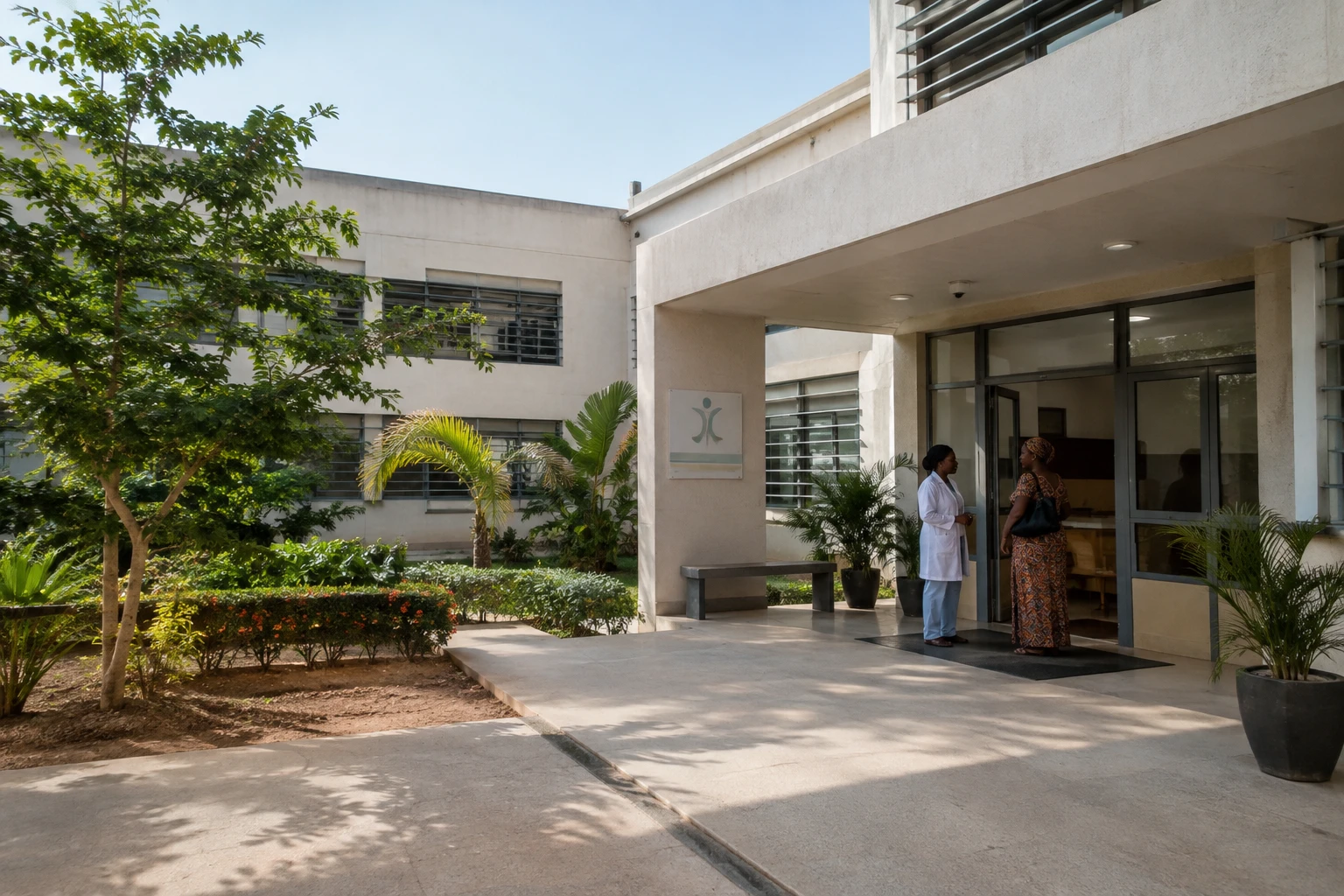
Knowing the signs of cancer does not protect against the disease. Dr Fatma Guénoune, a doctor and president of the Senegalese League Against Cancer (LISCA), learned this when she became a patient after years spent supporting other women.
From caregiver to patient
She discovered her tumour through an action she has long recommended: self-examination. While examining her breast, she felt an irregular, suspicious lump. Her knowledge of the body and the disease led her to take the abnormality seriously. The diagnosis later confirmed cancer, she said in a testimony shared in October.
Her story nevertheless serves as a reminder that self-examination is no substitute for medical advice. A lump, or a change to the skin or nipple, warrants a consultation. Only a health professional can assess the situation and prescribe appropriate tests. Screening and early diagnosis are major issues, but the scope for follow-up also depends on access to facilities and care.
Dr Guénoune says she agreed to have both breasts removed, citing, among other reasons, a family history of breast cancer. She says she did not need chemotherapy or radiotherapy, and is receiving hormone therapy. This decision is part of her personal medical journey; it is not a general recommendation for patients. Treatment decisions vary according to the diagnosis, the characteristics of the tumour and the care team’s assessment.
She says she remained calm after receiving the news. Some relatives initially found it hard to believe the diagnosis. Then they saw her after the operation. “If I cry, who will comfort you?” she recalls telling her sister. This account of composure does not make the ordeal a model of compulsory bravery: everyone experiences diagnosis and treatment in their own way.
In Senegal, screening also means being able to access treatment
In Dakar, LISCA runs awareness campaigns and supports people with cancer, particularly women with limited resources. The league can help cover medical expenses and offer psychological support, according to information provided about its services. Its work highlights a practical challenge: detecting a disease is not enough if tests, treatment and follow-up remain financially or geographically out of reach.
Available figures should be dated and attributed. The information provided says LISCA cites about 2,220 new cases of breast cancer and more than 1,300 deaths a year in Senegal. It also estimates that 70 to 80% of cases are diagnosed at an advanced stage, and puts the average direct medical cost of treatment at 5.3 million CFA francs. These estimates are not accompanied here by a reference year or detailed methodology. They should therefore not be presented as a comprehensive count or as an independently verified, up-to-date measure.
An older World Health Organization figure, published in 2014, reported that a significant proportion of cancers in Senegal were diagnosed late and cited difficulty accessing care among the factors contributing to mortality. This national snapshot, which does not specifically cover current breast cancer figures, sheds light on a longstanding public health problem but cannot confirm LISCA’s more recent estimates.
The Senegalese League Against Cancer was revitalised in 2009, according to an interview published by Seneweb. That same year, its president said patients often arrived at hospital at a late stage. Screening, awareness-raising and support for patients are therefore part of long-term work, not just the calendar of Pink October.
A personal experience, a collective challenge
The doctor’s testimony does not turn her experience into a universal prescription. Rather, it reveals the dual reality of many health charities: they inform, guide and support, while depending on resources to help people who cannot meet the cost of care alone. For patients living far from specialist services, distance and continuity of follow-up can add to the expense. For families, a diagnosis also disrupts daily routines and household finances.
Dr Guénoune’s case also brings to the fore a question often obscured by awareness campaigns: what happens after screening? A course of care requires tests, confirmation of the diagnosis, a treatment decision and follow-up. Access at every stage matters. Charities can play a supporting role, but they cannot replace health services or a lasting public policy.
In Senegal, a member of the Economic Community of West African States (ECOWAS), these challenges echo those across the region: strengthening prevention, improving access to diagnosis and making treatment more affordable. The experiences of LISCA and Senegalese health facilities form part of a continent-wide debate about capacity to treat cancer, although national situations are not identical.
The next step to watch is less an annual symbol than continuity: the ability, in Dakar and elsewhere in the country, to turn information into a consultation, and then into sustained care. By sharing her experience, Dr Guénoune remains engaged in the fight against cancer, but now also speaks as a patient. Her account is a reminder that behind every campaign are individual medical decisions and a health system whose accessibility has a tangible impact on families.