Algeria
 Libya
 Morocco
 Sudan
 Tunisia
 Benin
 Burkina Faso
 Cabo Verde
 Côte d'Ivoire
 Ghana
 Guinea
 Guinea-Bissau
 Liberia
 Mali
 Mauritania
 Niger
 Nigeria
 Senegal
 Sierra Leone
 The Gambia
 Togo
 Cameroon
 Central African Republic
 Chad
 DR Congo
 Equatorial Guinea
 Gabon
 Republic of the Congo
 São Tomé and Príncipe
 Burundi
 Comoros
 Djibouti
 Eritrea
 Ethiopia
 Kenya
 Madagascar
 Malawi
 Mauritius
 Mozambique
 Rwanda
 Seychelles
 Somalia
 South Sudan
 Tanzania
 Uganda
 Angola
 Botswana
 Eswatini
 Lesotho
 Namibia
 South Africa
 Zambia
 Zimbabwe
A new project off the Delta, as the country seeks breathing space
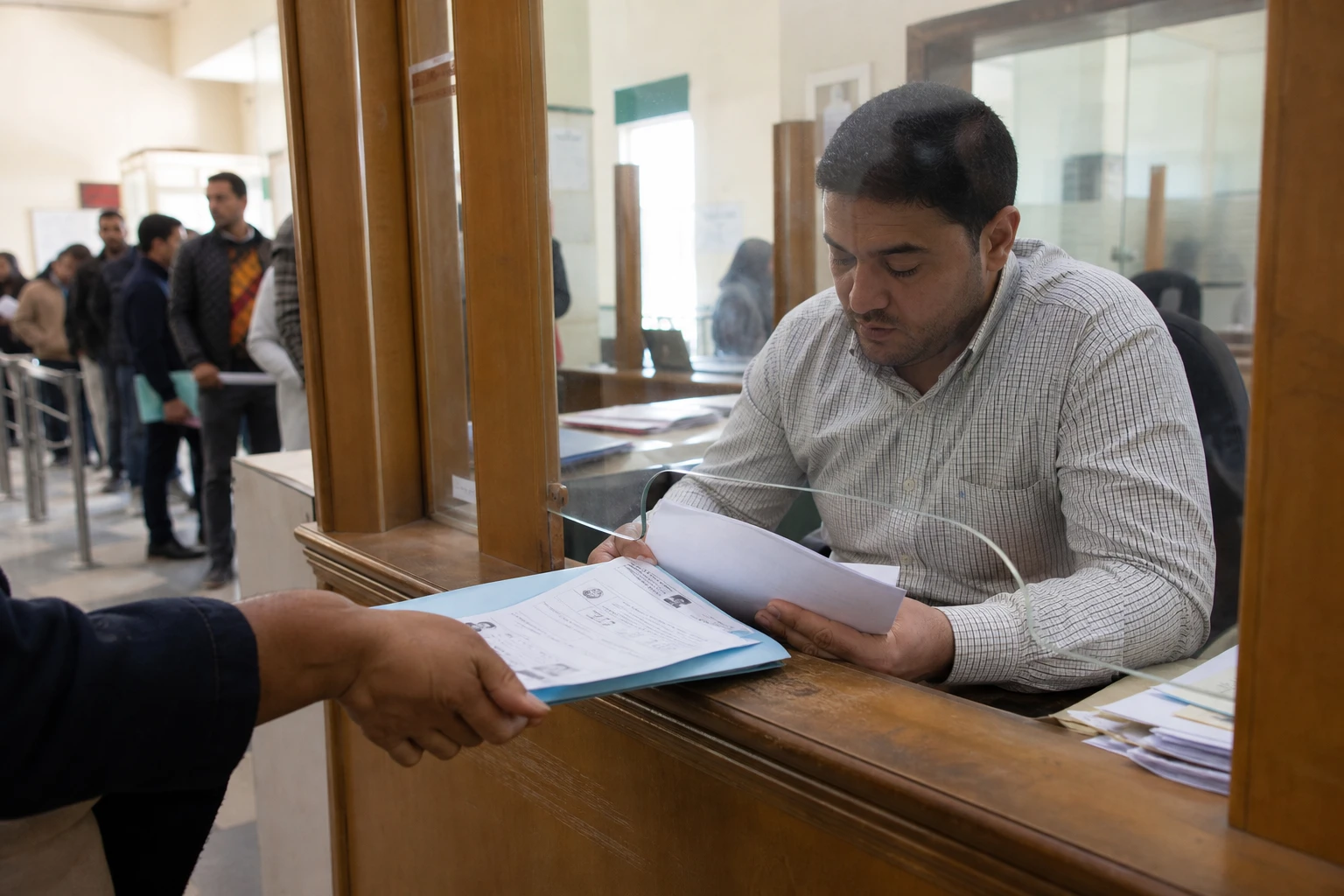
Off Egypt, every gas discovery has become more than an industrial announcement. It is a race against time. Cairo wants to increase production more quickly to reduce imports, protect its foreign currency reserves and prevent another summer of pressure on electricity and supplies. In this context, the Denise West field is attracting attention because it could be connected to existing facilities, without waiting for lengthy new infrastructure to be built.
This rapid-development approach fits a familiar pattern in Egypt: relying on the eastern Mediterranean, fields near existing networks and partnerships with major foreign groups to revive domestic supply. Egypt’s priority is a tangible result: less pressure from imports, greater stability for industry and a more manageable energy bill for the state.
What the Denise West project entails
The Denise West field was discovered in April 2026 in the Temsah concession, off Port Said, after a drilling campaign launched in autumn 2025. Egypt’s Ministry of Petroleum said the Denise W-1 well lies about 70 kilometres offshore, at a depth of 95 metres, and just 10 kilometres from facilities already in operation. Initial estimates put resources at 2 Tcf of gas, or about 57 billion cubic metres, and 130 million barrels of condensate.
Eni has confirmed that Denise West will be developed under a “fast-track” scheme, meaning an accelerated timetable made possible by the proximity of existing infrastructure. The Italian group holds 50% of the Denise development licence in the Temsah concession, alongside bp, which holds the other half. Egypt’s Ministry of Petroleum has presented the project as a way to offset the natural decline in production and ease the cost of imports.
On the timetable, the position remains cautious but clear: Eni and bp are working with state-owned EGPC to target a final investment decision in the coming months, followed by production within less than two years of that decision, according to information made public by the companies and cross-checked by Reuters. In other words, the project is not yet producing, but it has already entered an advanced industrial appraisal phase.
Why Cairo is accelerating now
The pressure is real. International Energy Agency data show that African net LNG exports fell in 2025, in part because Egypt’s imports increased. The agency also says Egypt has deployed four floating regasification units since 2024, with a combined annual import capacity of about 28 billion cubic metres. This addresses the immediate urgency, but also highlights the system’s vulnerability: the more domestic production falls, the more the country has to buy gas on the global market.
Market sources cross-checked by Reuters paint the same picture. Egyptian gas production is estimated to have averaged less than 4.4 billion cubic feet a day in the 2025-2026 financial year, with a further decline expected. At the same time, Cairo has stepped up LNG purchases to meet electricity demand and summer needs. Record imports in June even accounted for nearly 10% of US LNG exports that month, according to trading data published by Reuters.
The Egyptian government is therefore trying to change tack. Rather than relying solely on a few ageing mega-fields, it is promoting small and medium-sized developments located near existing networks. The strategy is also evident at Zohr, where the ministry announced in June 2025 an increase of about 60 million cubic feet a day following further drilling. The message is simple: production must rise faster, where connections cost less.
An Egyptian issue, but also a Mediterranean one
Denise West’s significance extends beyond Egypt. In the eastern Mediterranean, Egypt has for several years established itself as a regional energy hub. It has liquefaction plants at Idku and Damietta, as well as an industrial network capable of processing gas from its own fields and neighbouring deposits. The agreement signed in February 2025 between Egypt, Cyprus, Eni and TotalEnergies on the Cronos field already pointed in this direction: using Egyptian infrastructure to transport and liquefy Cypriot gas before export.
This approach has now been reinforced. In July 2026, TotalEnergies and Eni took the final investment decision on Cronos, announcing that the project would rely on Egyptian facilities to become a new regional gas hub. Egypt’s Ministry of Petroleum described the step as a major milestone in Egyptian-Cypriot cooperation. Denise West is part of the same trend: making Egypt not only a producer, but also an industrial transit point for gas in the eastern Mediterranean.
For the Egyptian economy, the stakes are immediate. Faster production could reduce reliance on LNG purchases, ease pressure on external accounts and secure supplies to power stations. For industry, it could limit outages and stabilise costs. For households, it could ease pressure on electricity, although the effects are never immediate. For North Africa and the Mediterranean, finally, the signal is as political as it is about energy: major companies are returning to existing infrastructure, and states that control these hubs are gaining influence in regional negotiations.
One major unknown remains: the pace of execution. Production will depend on the final investment decision, engineering work and the continuation of a stable contractual environment. In Egypt, where gas production has already fallen markedly from its peak, Denise West will therefore be more than a geological test. It will also test industrial governance, as Cairo seeks to prove that it can still turn its offshore discoveries into revenue, energy security and regional influence.