Algeria
 Libya
 Morocco
 Sudan
 Tunisia
 Benin
 Burkina Faso
 Cabo Verde
 Côte d'Ivoire
 Ghana
 Guinea
 Guinea-Bissau
 Liberia
 Mali
 Mauritania
 Niger
 Nigeria
 Senegal
 Sierra Leone
 The Gambia
 Togo
 Cameroon
 Central African Republic
 Chad
 DR Congo
 Equatorial Guinea
 Gabon
 Republic of the Congo
 São Tomé and Príncipe
 Burundi
 Comoros
 Djibouti
 Eritrea
 Ethiopia
 Kenya
 Madagascar
 Malawi
 Mauritius
 Mozambique
 Rwanda
 Seychelles
 Somalia
 South Sudan
 Tanzania
 Uganda
 Angola
 Botswana
 Eswatini
 Lesotho
 Namibia
 South Africa
 Zambia
 Zimbabwe
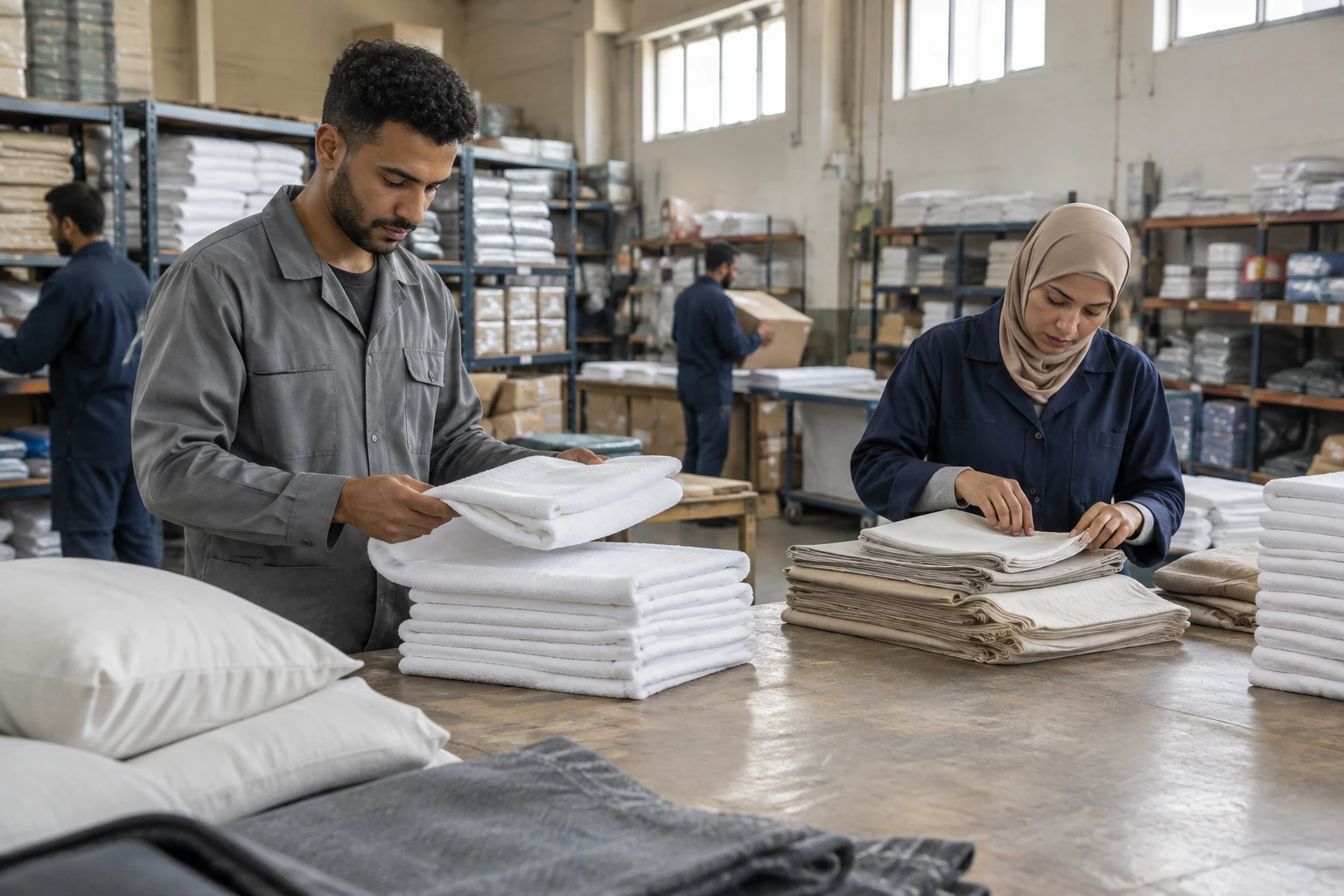
As visitors flock to Egypt, the question is no longer just how to attract them, but how to accommodate them in very different destinations. Ten new projects announced with Hilton are set to strengthen this planned capacity, while raising a practical question: how quickly will the announced investments become open hotels and lasting jobs?
An Egyptian market attracting investors
Egypt is seeking to turn tourist numbers into revenue and economic activity. The sector engages hotels, transport, retail and services. The benefits are not automatically distributed, however: they also depend on the local jobs created, the suppliers engaged and the spillovers in the destinations concerned.
The country draws on several complementary hubs. Cairo is a centre for business travel and cultural visits. The Red Sea coast, the Mediterranean and the area around the Suez Canal cater to other types of stay. For operators, this diversity allows projects to be spread across urban, beach and residential tourism.
This momentum comes amid a recovery in arrivals. Egypt’s Minister of Tourism and Antiquities, Sherif Fathy, said the country had received about 12.8 million tourists between January and September 2026. He forecast nearly 20 million arrivals for the year. These figures and this projection were also reported by Egyptian media outlet Ahram Online. The annual target remains a forecast, not an achieved result.
Ten projects, but timetables still to be specified
On 10 November 2026, Hilton and Egyptian property developer PRE Group signed an agreement covering ten projects: six hotels and four branded residential developments. The announced investment amounts to about 14 billion Egyptian pounds. The portfolio could add nearly 2,000 rooms and residential units, spread across five of the group’s brands.
The partnership covers destinations including Ain Sokhna, the North Coast and eastern Cairo. The information made public does not specify a timetable for the ten projects. The announced number therefore describes a project portfolio, not ten properties whose construction or opening is already guaranteed.
On the same day, Hilton announced a separate agreement with the PARAGON | ADEER consortium. It concerns a Canopy by Hilton hotel in SumouBlvd, a mixed-use development in Cairo. The property is scheduled to open in 2030, with 105 rooms and 122 branded residences. It would be Canopy’s first location in the Egyptian capital.
Branded residences combine a home with the identity and services of a hotel group. This format expands the offer beyond conventional overnight stays, but does not mean that all the units will be occupied by tourists. It also appeals to buyers and long-term residents.
The economic promise will depend on delivery
For PRE Group, the agreement provides access to Hilton’s brands and commercial network. For the hotel group, it allows it to expand its presence with a local property partner, without taking sole responsibility for all the land and construction operations. Developers, construction firms and future employees could also benefit from the projects, if they progress through the financing, construction and recruitment stages.
This distinction is essential. An announced investment is neither a completed construction project nor jobs already created. The benefits will depend on meeting deadlines, the proportion of Egyptian labour employed and the links forged with local businesses. They may also vary between Cairo, coastal resorts and regions less directly connected to tourist routes.
Hilton had already announced an acceleration of its projects in Egypt. In December 2024, the group said it had 25 hotels under development in the country and was targeting more than 40 operating properties in due course. Some projects were then linked to openings planned for 2027 or 2028. Those dates were forecasts when announced; on their own, they do not confirm the current progress or delivery of each hotel.
A trend extending beyond Egypt
Across the continent, Egypt’s expansion is part of an increase in planned hotel supply. W Hospitality Group’s 2026 report lists 675 hotels and resorts under development in Africa, with 123,846 rooms. The organisation reports an annual increase of 18.6%. North Africa accounts for 284 projects and 62,630 rooms in this portfolio. These figures aggregate hotel-chain projects: they do not mean that all the rooms are financed or under construction.
For Hilton, Egypt is therefore a major market within a broader African strategy. But growth in the number of projects does not, by itself, measure their contribution to local economies. Monitoring will need to focus on construction starts, actual openings, permanent jobs and purchases from Egyptian suppliers.
The regional dimension is also significant. Egypt is a member of the Common Market for Eastern and Southern Africa (COMESA), an economic co-operation area that facilitates trade between its members. Tourism also depends on air connectivity, investment and stability in neighbouring destinations. The new hotels therefore strengthen domestic supply while forming part of wider competition and co-operation between African markets.
For now, the main signal is that investors are stepping up their commitment to Egyptian accommodation. The next step will be less about announcing new portfolios than turning these projects into open, accessible capacity that generates activity beyond developers and international operators alone.