
 Algeria
 Egypt
 Libya
 Morocco
 Sudan
 Tunisia
 Benin
 Burkina Faso
 Cabo Verde
 Côte d'Ivoire
 Ghana
 Guinea
 Guinea-Bissau
 Liberia
 Mali
 Mauritania
 Niger
 Nigeria
 Senegal
 Sierra Leone
 The Gambia
 Togo
 Cameroon
 Central African Republic
 Chad
 Equatorial Guinea
 Gabon
 Republic of the Congo
 São Tomé and Príncipe
 Burundi
 Comoros
 Djibouti
 Eritrea
 Ethiopia
 Kenya
 Madagascar
 Malawi
 Mauritius
 Mozambique
 Rwanda
 Seychelles
 Somalia
 South Sudan
 Tanzania
 Uganda
 Angola
 Botswana
 Eswatini
 Lesotho
 Namibia
 South Africa
 Zambia
 Zimbabwe
In Kisangani, a public health signal, not just a return home
In an Ebola outbreak, a recovery matters as much as a new case. It reassures families, but also reminds them that the virus is still circulating, sometimes quietly, in neighbourhoods where confidence in healthcare can falter. In Kisangani, in Tshopo, the discharge of the first recovered patient therefore brings a measure of hope without making the risk disappear.
Tshopo province is not isolated from the rest of the country. It is part of a wider trend affecting the east of the Democratic Republic of the Congo, with Ituri as the initial epicentre of the outbreak declared in May 2026. The World Health Organization (WHO) has confirmed that this is the 17th Ebola outbreak recorded in the DRC since 1976, a reminder of the toll this disease takes on the Congolese health system.
In this context, every patient discharged from a treatment centre in good health also becomes a point of reference for local teams. It shows that isolation, monitoring and rapid care can change the clinical outcome, provided the patient reaches an appropriate facility early. The challenge is not only medical. It is also social, because communities must be persuaded that seeking care quickly remains the best course of action.
Recovery confirmed, but province remains under pressure
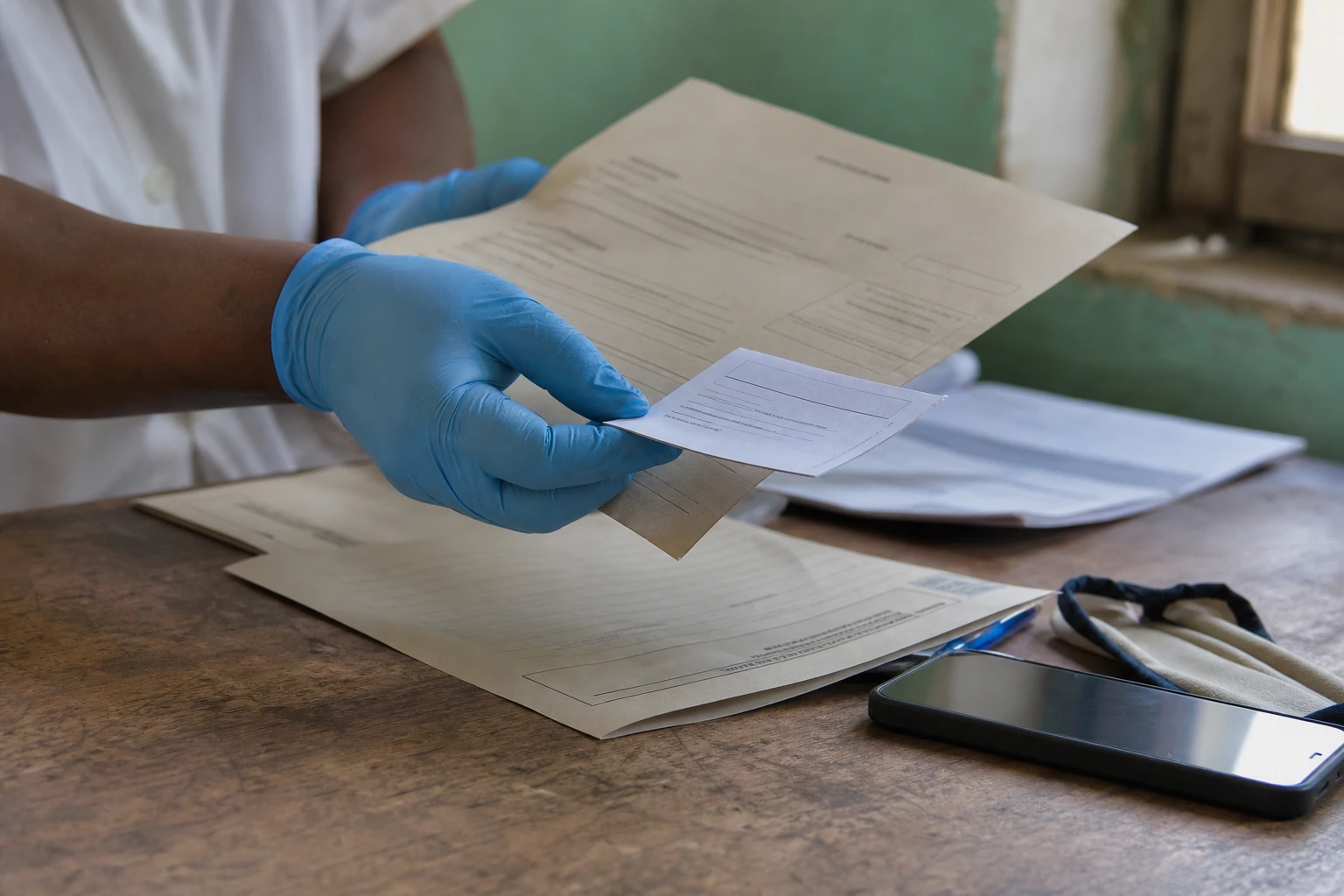
On Thursday 17 July, in Kisangani, a 37-year-old patient left the treatment centre set up at the Cinquantenaire Hospital after tests were judged favourable by response teams. Provincial health authorities presented him with his discharge certificate at a ceremony held in Tshopo’s capital. The patient is now returning to the Lubunga commune, where medical monitoring will continue at home.
This discharge does not erase the figures that continue to concern health authorities. So far, Tshopo has recorded five confirmed Ebola cases, including three deaths, according to data reported in the province. Kisangani, for its part, was incorporated into the response after imported cases from Ituri were confirmed in several of the city’s health zones.
At national level, the situation remains widespread. On 14 July, WHO said cases had been reported in 46 health zones across five provinces: Ituri, North Kivu, South Kivu, Haut-Uele and Tshopo. The organisation reported a cumulative total of 20 confirmed cases and three confirmed deaths, in addition to one probable fatal case. These figures show that the initial outbreak has already spread beyond its starting area.
In such circumstances, one patient’s recovery must not obscure the work that remains. Teams must trace contacts, monitor alerts, check for symptoms and maintain the prevention chain. In Kisangani, checkpoints have been strengthened, while the province is trying to limit risky movements along routes linking Tshopo to Ituri.
The decisive role of survivors in the response
The case of Assani Denis Maurice illustrates a reality well known from Ebola outbreaks in the DRC: survivors can become valuable public health allies. Their testimony often carries more weight than institutional messages. They know what isolation, fear, waiting for test results and returning home after treatment mean. In areas where rumours spread quickly, this first-hand perspective matters greatly.
Health authorities also stress that medical recovery does not end all precautions. Regular monitoring must continue, particularly to reduce any residual risk of transmission. This is a sensitive issue, because survivors sometimes face stigma even though they can play a central role in community awareness-raising and encouraging acceptance of care.
The provincial health minister stressed the need for continued monitoring, noting that the recovered patient would remain supported after returning to his family. Such messaging also aims to rebuild trust between the population and health services. In the east of the country, trust is a major issue, as forced displacement, insecurity and unequal access to medical facilities already complicate the response.
Tshopo province, with Kisangani as its urban centre, lies at the crossroads of several trends. There is commercial mobility, interprovincial trade and routes towards Ituri. There is also the largely informal day-to-day economy, which depends on the movement of people. Any overly harsh health measure could hamper activity, but any negligence could accelerate the spread of the virus. This is the balance authorities are trying to strike.
An alert for the DRC, and the region
The outbreak’s impact extends beyond Tshopo. WHO classified it as a public health emergency of international concern on 17 May 2026, a sign that the virus’s spread calls for coordination beyond the borders of the DRC alone. The disease has also crossed internal administrative boundaries, reaching several provinces, while its cross-border dimension has fuelled regional concern.
For Kinshasa, the challenge is twofold. First, it must maintain the response in the affected provinces. It must then prevent the outbreak from fuelling a fresh wave of distrust in public services, as has happened during previous health crises. The DRC has recognised experience in managing Ebola, but that experience must constantly be renewed, funded and adapted to local conditions.
At continental level, the situation is a reminder of an essential point: health emergencies are not stabilised in laboratories alone. They are also contained in markets, neighbourhoods, transport corridors and frontline care centres. That is where the speed of detection, the quality of monitoring and the authorities’ ability to persuade without resorting to heavy-handed measures are determined. For the DRC, the discharge of this first recovered patient is good news. For the response, it is just one step.



