
 Algeria
 Egypt
 Libya
 Morocco
 Sudan
 Tunisia
 Benin
 Burkina Faso
 Cabo Verde
 Côte d'Ivoire
 Ghana
 Guinea
 Guinea-Bissau
 Liberia
 Mali
 Mauritania
 Niger
 Nigeria
 Senegal
 Sierra Leone
 The Gambia
 Togo
 Cameroon
 Central African Republic
 Chad
 Equatorial Guinea
 Gabon
 Republic of the Congo
 São Tomé and Príncipe
 Burundi
 Comoros
 Djibouti
 Eritrea
 Ethiopia
 Kenya
 Madagascar
 Malawi
 Mauritius
 Mozambique
 Rwanda
 Seychelles
 Somalia
 South Sudan
 Tanzania
 Uganda
 Angola
 Botswana
 Eswatini
 Lesotho
 Namibia
 South Africa
 Zambia
 Zimbabwe
A fragile decline, but a possible turning point
In eastern Democratic Republic of the Congo, the fight against Ebola is never just about numbers. It affects families, healthcare workers and health zones where rapid access to care remains crucial. In Ituri province, North Kivu and neighbouring territories, response teams are now seeking to turn positive signs into a sustained decline in transmission.
This is an important moment. After several months of expansion, Congolese health authorities and their partners say they are seeing an improvement, but the situation remains unstable. The latest situation report from the Ministry of Health, published on 15 September 2026, records 87 new confirmed cases in 24 hours, compared with 58 the previous day, concentrated in Ituri, North Kivu and Haut-Uélé. The same document notes, however, that no new health zone has been affected, a development considered favourable.
DR Congo’s response takes shape with continental support
This is the DRC’s 17th Ebola outbreak, this time linked to the Bundibugyo virus. It began in May 2026 in a challenging context: high population mobility, insecurity in some eastern areas and a health system already stretched by other emergencies. The WHO recalled that the outbreak was declared a public health emergency of international concern on 17 May 2026. Africa CDC, for its part, declared it a public health emergency of continental security on 18 May.
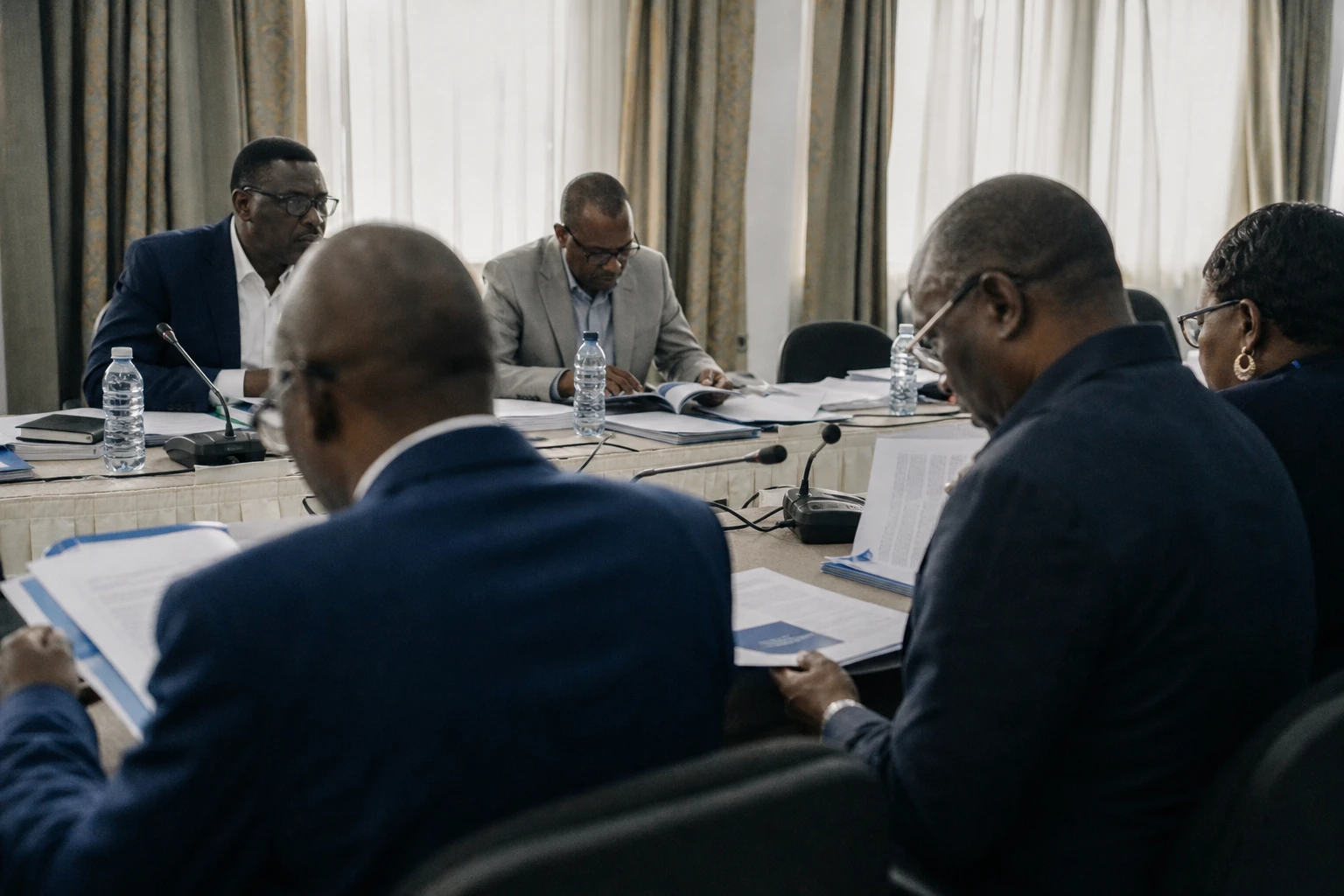
On 4 September 2026, in Kinshasa, the Congolese government and its partners launched a revised 180-day plan to accelerate the response. Africa CDC presented the roadmap as a tool for multisectoral coordination involving the WHO, the United Nations system and Congolese authorities. This coordination between national and continental levels matters. It makes it possible to track contacts more effectively, strengthen surveillance and support field teams.
The Congolese Ministry of Health now publishes daily reports on its official website. The 14 September situation report lists 54 affected health zones in five provinces, 7,345 confirmed cases, 3,545 confirmed deaths and 1,753 recoveries. The report adds that seven health zones have gone more than 42 days without a new confirmed case, an important epidemiological threshold used to measure whether control of the chain of transmission has been restored.
Real progress, but transmission is not over
The most encouraging sign is the change in the outbreak’s geographical spread. South Kivu is no longer listed among the currently affected provinces in the 14 September report. Seven health zones have passed the 42-day threshold without a new case: Adja, Kambala and Mahagi in Ituri, Goma in North Kivu, Miti in South Kivu, and Wanie-Rukula and Lubunga in Tshopo. For an Ebola outbreak, this geographical contraction is a valuable indicator. It shows that some chains of transmission are being broken.
But the picture remains mixed. The same situation report records 26 community deaths that day, a very high proportion of the deaths reported. This often reflects delays in seeking care, difficulties with referral or persistent mistrust of healthcare facilities. In other words, the response is making progress, but the virus continues to circulate where the health system arrives too late.
As of 14 September, the ministry had recorded 7,345 confirmed cases and 3,545 deaths, a case fatality rate of 48.3%. These figures remain grave. They are a reminder that statistical improvement does not mean the alert is over. The rise in daily cases recorded in the report, despite stability in some zones, shows that the trend could still reverse if surveillance lapses.
The situation facing healthcare workers also deserves attention. In the Katwa health zone in Butembo, 16 healthcare providers have been infected since May, according to a Congolese media outlet citing response data. This illustrates a crucial point: in Ebola outbreaks, healthcare workers are both a bulwark and an exposed target. The safety of medical facilities therefore determines both patients’ survival and the continuity of the response.
What this phase says about DR Congo and the region
For Congolese people, the real challenge is not just to bring down the case numbers on a chart. It is to protect local economies, schools, markets and trade routes in the east of the country. Ituri and North Kivu remain areas of heavy movement towards Uganda and, more broadly, the Great Lakes region. That is why contact tracing, screening at points of entry and community engagement are as important as treatment.
Regionally, the 2026 experience confirms a longstanding trend: no response to Ebola works sustainably without African coordination. The WHO, Africa CDC and national authorities have emphasised a response led first by the states concerned, with support from continental institutions. This is as much a political signal as a public health one. Central Africa is showing that regional cooperation is not a slogan, but an operational tool.
What happens next will depend on a few concrete indicators: whether the number of new cases stabilises, whether the outbreak spreads to other health zones, and whether teams can contain community deaths. The next test will attract less media attention but will be decisive: maintaining vigilance long enough for the remaining active outbreaks to truly die out. In the fight against Ebola, a few weeks of caution can prevent months of renewed transmission.



