Algeria
 Egypt
 Libya
 Morocco
 Sudan
 Tunisia
 Benin
 Burkina Faso
 Cabo Verde
 Côte d'Ivoire
 Ghana
 Guinea
 Guinea-Bissau
 Liberia
 Mali
 Mauritania
 Niger
 Nigeria
 Senegal
 Sierra Leone
 The Gambia
 Togo
 Cameroon
 Central African Republic
 Chad
 Equatorial Guinea
 Gabon
 Republic of the Congo
 São Tomé and Príncipe
 Burundi
 Comoros
 Djibouti
 Eritrea
 Ethiopia
 Kenya
 Madagascar
 Malawi
 Mauritius
 Mozambique
 Rwanda
 Seychelles
 Somalia
 South Sudan
 Tanzania
 Uganda
 Angola
 Botswana
 Eswatini
 Lesotho
 Namibia
 South Africa
 Zambia
 Zimbabwe
An outbreak spreading beyond Ituri
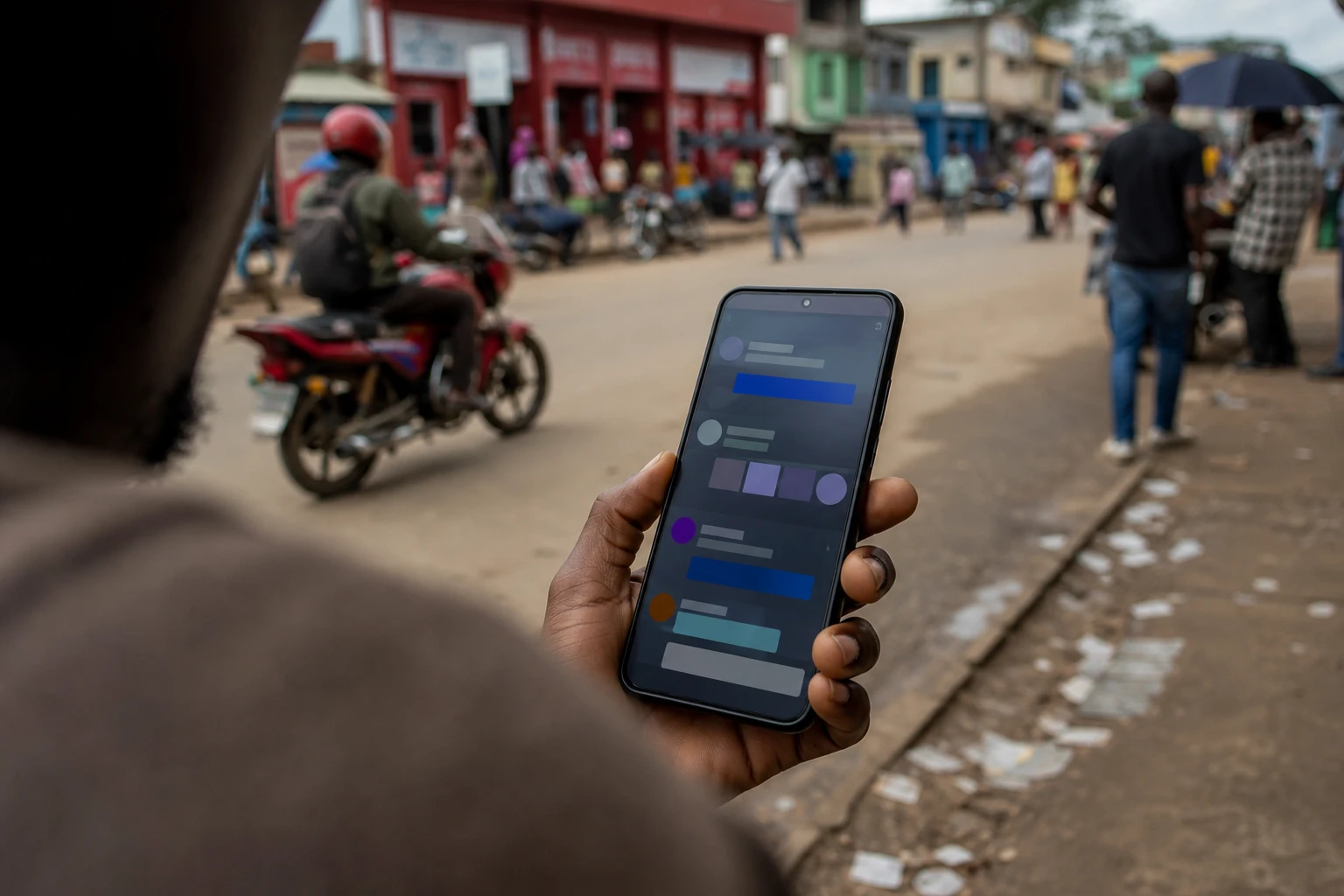
In Ituri, the disease is no longer measured only in numbers. It can be seen in overcrowded health centres, in families who move a sick person too late, and in response teams working in a province already weakened by insecurity and displacement. The Democratic Republic of the Congo is facing a new Ebola surge of unusual scale, with a deadly threshold now crossed across the region.
The initial outbreak began in the country’s north-east, around Mongbwalu, in a mining area of Ituri with high levels of mobility. The province, which borders Uganda and South Sudan, is a commercial crossroads as well as a hub for human movement. That combination is precisely what makes controlling the virus difficult. The WHO has already warned that transmission is still being driven by community contact, delays in detection and security obstacles. Congolese health authorities and international partners activated the response on 15 May 2026, but conditions on the ground continue to work against them.
Case numbers are rising faster than the response
The latest data available as of 21 July 2026 show 2,473 confirmed cases in the Democratic Republic of the Congo, including 999 deaths linked to the outbreak, according to the European Centre for Disease Prevention and Control, which uses updated figures from the authorities and the WHO. A few days earlier, the World Health Organization had noted that the spread was now affecting several provinces beyond Ituri. Africa CDC, for its part, said the death toll had passed 1,000. The precise toll therefore remains to be confirmed on a day-by-day basis, but the trend is no longer in doubt: the epidemic continues to grow.
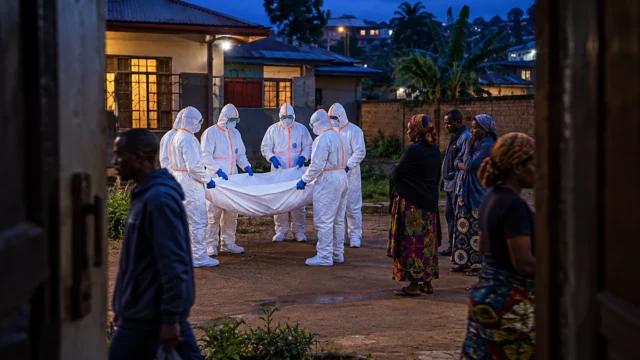
The outbreak is caused by the Bundibugyo virus, a rarer form of Ebola. The WHO says that, to date, there is neither an approved vaccine nor a specific treatment for this strain. The strategy therefore depends on rapid isolation, contact tracing, safe burials and community engagement. In other words, everything depends on how quickly cases are detected and on the trust of local people. When either is lacking, the chain of transmission grows longer.
The picture is all the more worrying because the province remains difficult to access. The WHO describes low coverage of contact tracing, significant population movements and continuing risks at border crossings. In the hardest-hit health zones, teams also report tensions over free care, dignified funerals and the spread of rumours. These factors are not mere background: they determine how quickly the virus gains ground.
Children, health workers and families on the front line
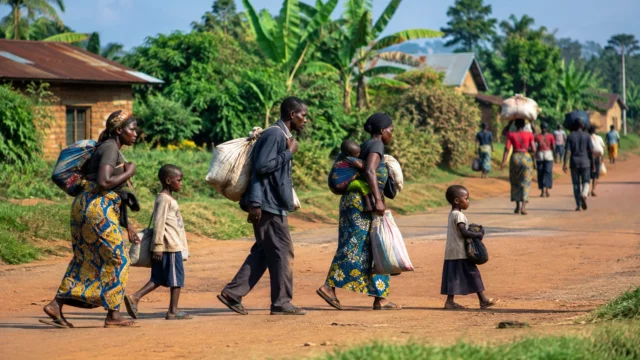
Children are paying a heavy social price in this epidemic. Humanitarian organisations are raising the alarm not only over deaths, but also over family separations, forced displacement and lasting trauma. The response is therefore not limited to confirmed patients. It affects schooling, child protection and access to routine healthcare. In eastern DR Congo, where schools, roads and health facilities do not always have the same capacity to withstand shocks, Ebola acts as a multiplier of vulnerability.
Health workers are also at risk. The WHO has reported several deaths among healthcare staff, further weakening local care provision. In a province where staff numbers are often low, every loss further disrupts the local hospital. The problem is tangible: fewer health workers mean more delays, and therefore more silent transmission. In Bunia, the capital of Ituri, this pressure is felt both in referral services and in outlying dispensaries.
The national context matters as much as the health situation. The DRC is facing this outbreak in a country that has already dealt with previous Ebola epidemics, with real institutional experience but also social and budgetary fatigue. The authorities in Kinshasa have built up experience, yet the country’s vast size, security crises in the east and competing humanitarian needs limit their room for manoeuvre. Ituri combines internal displacement, a cross-border economy, informal movement and fragile infrastructure. In this context, the medical response must go hand in hand with securing humanitarian corridors and engaging in dialogue with communities.
What this outbreak says about Central Africa
Beyond the DRC, this crisis is a reminder of an often underestimated reality: regional epidemics are shaped by regional mobility. Ituri is not an isolated periphery. It is connected to Uganda, South Sudan and the main routes of the African Great Lakes region. That is why the WHO and Africa CDC stress cross-border coordination, surveillance at points of entry and the rapid exchange of information. When the virus crosses borders, national responses alone are no longer enough.
The continental implications are clear. The African Union, through Africa CDC, is now promoting a more integrated approach to health emergencies, based on national systems and regional co-operation. This epidemic is testing that framework in real time. It is measuring Central Africa’s ability to protect populations without disrupting trade, markets and the movement essential to daily life. It will also show whether Africa’s response can remain credible in the face of a rare, mobile and socially destructive virus.
The next decisive step lies in how quickly the outbreak can be brought under control. If detection improves, care arrives sooner and trust returns in the affected health zones, the curve can flatten. Otherwise, the province may continue to bear the main burden of the outbreak, with lasting effects on public health, the local economy and movement between the DRC and its neighbours. For Kinshasa, Bunia and the entire sub-region, the challenge is no longer to sound the alarm. It is to break the chain before it claims more lives.