Algeria
 Egypt
 Libya
 Morocco
 Sudan
 Tunisia
 Benin
 Burkina Faso
 Cabo Verde
 Côte d'Ivoire
 Ghana
 Guinea
 Guinea-Bissau
 Liberia
 Mali
 Mauritania
 Niger
 Nigeria
 Senegal
 Sierra Leone
 The Gambia
 Togo
 Cameroon
 Central African Republic
 Chad
 Equatorial Guinea
 Gabon
 Republic of the Congo
 São Tomé and Príncipe
 Burundi
 Comoros
 Djibouti
 Eritrea
 Ethiopia
 Kenya
 Madagascar
 Malawi
 Mauritius
 Mozambique
 Rwanda
 Seychelles
 Somalia
 South Sudan
 Tanzania
 Uganda
 Angola
 Botswana
 Eswatini
 Lesotho
 Namibia
 South Africa
 Zambia
 Zimbabwe
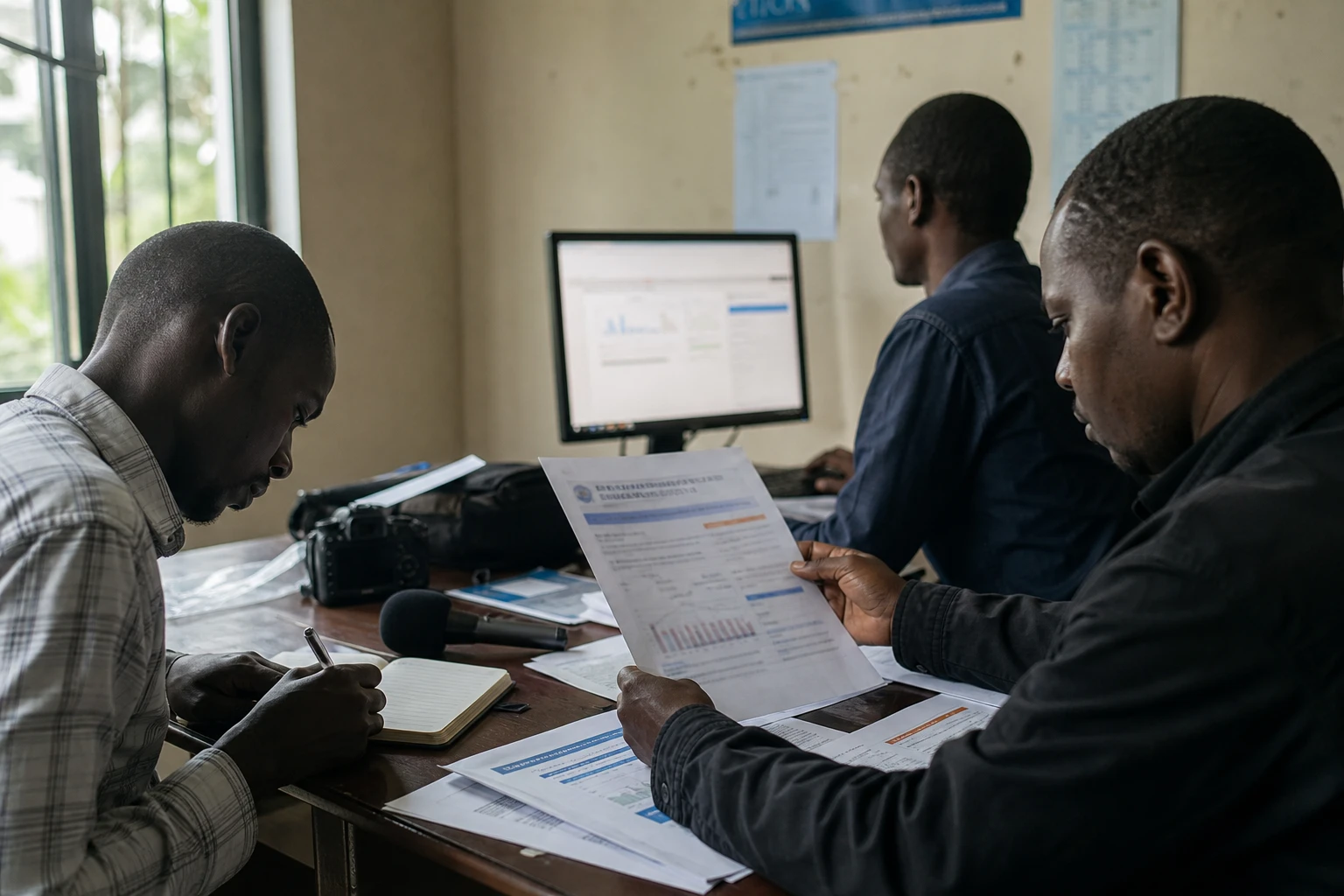
In eastern Democratic Republic of the Congo, the Ebola epidemic cannot be reduced to a succession of case figures. It is also disrupting families, schools and health services. Children are bearing a particularly heavy burden, while the health response faces insecurity and mistrust in several affected areas.
An outbreak concentrated in the east of the country
The outbreak in question was declared on 15 May 2019. It unfolded amid an already complex health crisis in North Kivu and Ituri, two eastern provinces of DR Congo facing population displacement, armed violence and unequal access to healthcare.
At the time, Ebola virus disease was circulating mainly in areas where medical teams had to contend with attacks, frequent displacement and logistical difficulties. The Congolese authorities, the World Health Organization and local actors were trying to maintain surveillance, vaccination and treatment for patients.
Ebola was not the only concern. Measles and cholera were also spreading in several areas. The WHO warned at the time that the exceptional mobilisation around Ebola risked diverting resources from basic healthcare, vaccination and nutrition.
Nearly one in two infected children died
According to an analysis published on 1 October 2019 by Save the Children, based on data from the Congolese Ministry of Health, 2,071 children and adolescents under the age of 18 had contracted Ebola since the outbreak began. Of these, 961 had died.
This represents a case fatality rate of close to 46% among minors. In other words, nearly one in two infected children did not survive. Over the period observed, the figure amounted to around seven child deaths a day.
The youngest children appeared to be the most vulnerable. Children under five accounted for 623 deaths, or around two-thirds of the deaths recorded among minors. Their case fatality rate reached 61%, compared with 48% for all cases recorded in the outbreak at that point.
These differences are not due to age alone. Very young children depend entirely on an adult to take them to a health centre. They are also more exposed to complications linked to dehydration and malnutrition. When families live far from a medical facility, every hour can affect their chances of survival.
Deaths were still occurring in communities
The overall course of the outbreak confirmed how difficult the response was. The total number of confirmed cases, among children and adults, rose from 6,604 on 5 September 2019 to 8,116 on 27 September. Over the same period, deaths increased from 3,175 to 3,924.
The figures indicated an increase of about a quarter in infections in just over three weeks. They also showed that transmission remained active despite treatment centres, vaccination teams and contact-tracing systems.
Another indicator drew attention. According to data cited by Save the Children, 81.5% of deaths recorded in the three weeks before 27 September had occurred in communities, rather than in treatment centres.
This finding alone does not identify a single cause. It may, however, reflect several obstacles: distance from facilities, patients arriving late, fear of isolation, rumours or a lack of trust. In some localities, families continued to care for relatives at home, sometimes until they died, increasing the risk of transmission.
The health response therefore depended as much on the quality of care as on relations with local people. Community outreach workers, religious leaders, local associations and Congolese health workers played a central role in explaining symptoms, referring patients and addressing misunderstandings.
A crisis extending beyond the medical toll
For children who survived, the end of the illness did not always mean a return to normal life. Save the Children estimated that at least 180 minors had lost both parents or their primary caregiver since the outbreak began.
These children might need psychological support, nutritional care, material assistance and protection from separation or abuse. Continuing their education was also a concern. A prolonged hospital stay, a parent’s death or a family’s displacement could interrupt schooling for an extended period.
The outbreak also strained essential services. Staff mobilised for Ebola could not always provide routine consultations, routine vaccinations or care for pregnant women. In rural areas, this pressure could be greater than in Goma, North Kivu’s main city, where medical and logistical capacity was more concentrated.
The consequences were not the same for everyone. Families with regular incomes could sometimes pay for transport to a health centre. Households relying on farming, small-scale trade or informal work faced a greater burden from travel costs and the loss of a day’s income.
A challenge for regional health cooperation
The epidemic also served as a reminder that public health does not stop at borders. North Kivu and Ituri are close to Uganda and to several regional transport routes. Monitoring travellers, sharing alerts and coordinating between health authorities therefore remained essential.
DR Congo had already gained considerable experience in managing Ebola outbreaks. However, the 2019 episode showed that technical expertise was not enough when communities live in unstable areas. Trust, physical access to healthcare and the protection of staff were operational requirements for the response.
What happened next depended on several factors: the ability to detect cases quickly, maintaining vaccination, securing teams and integrating the Ebola response with routine services. For children, the issue went beyond immediate survival. It also concerned the possibility of returning to a family, a school and regular healthcare after the crisis.