Algeria
 Egypt
 Libya
 Morocco
 Sudan
 Tunisia
 Benin
 Burkina Faso
 Cabo Verde
 Côte d'Ivoire
 Ghana
 Guinea
 Guinea-Bissau
 Liberia
 Mali
 Mauritania
 Niger
 Nigeria
 Senegal
 Sierra Leone
 The Gambia
 Togo
 Cameroon
 Central African Republic
 Chad
 Equatorial Guinea
 Gabon
 Republic of the Congo
 São Tomé and Príncipe
 Burundi
 Comoros
 Djibouti
 Eritrea
 Ethiopia
 Kenya
 Madagascar
 Malawi
 Mauritius
 Mozambique
 Rwanda
 Seychelles
 Somalia
 South Sudan
 Tanzania
 Uganda
 Angola
 Botswana
 Eswatini
 Lesotho
 Namibia
 South Africa
 Zambia
 Zimbabwe
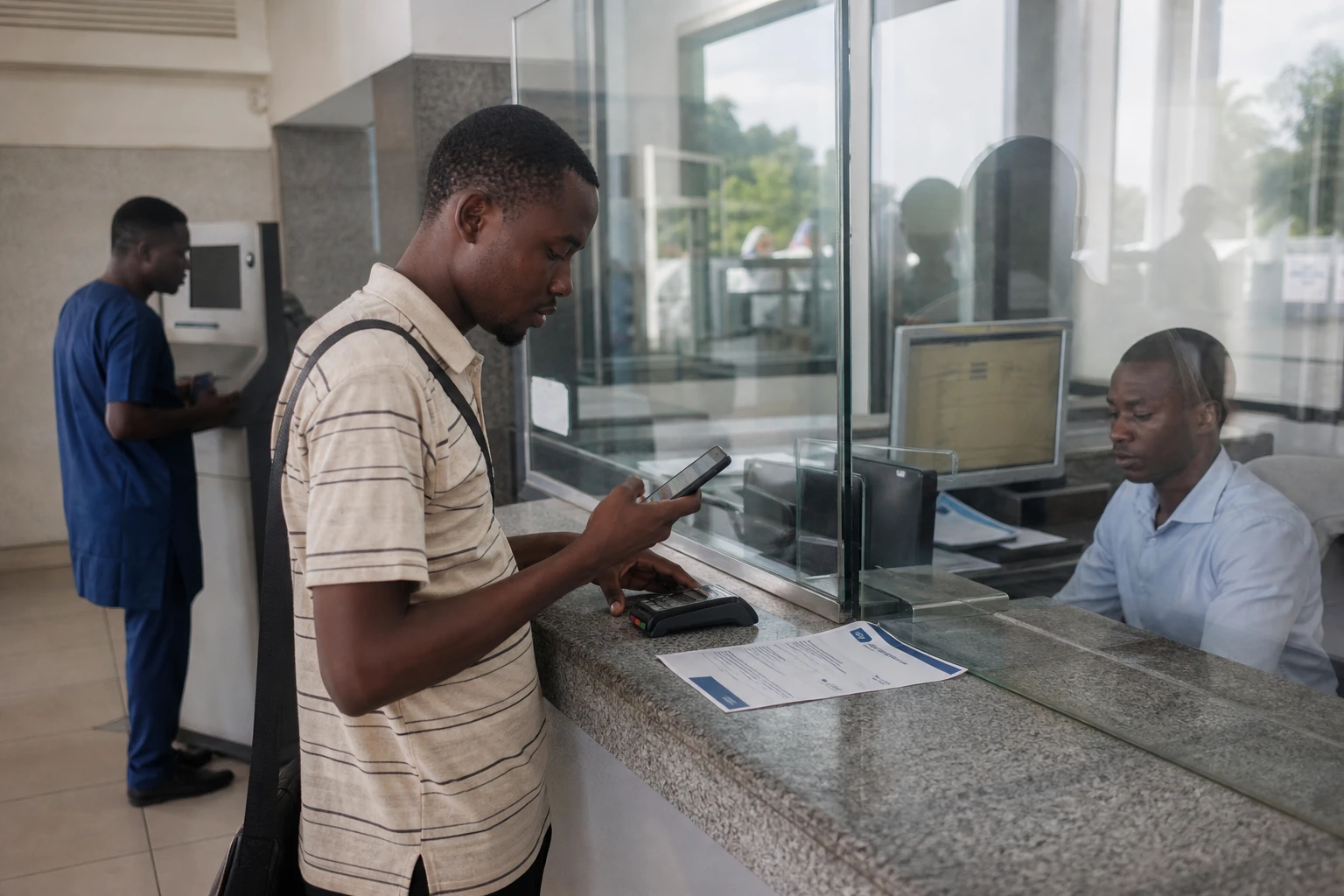
In Kinshasa, luxury is no longer just about the object, but about everything happening effortlessly
In the Democratic Republic of the Congo, high-end services are no longer just about a card in a wallet. They are now measured by how quickly a booking is made, how smoothly an online payment goes through and the certainty that a transaction will work, even outside the country. In a market where digital payments are growing, these expectations matter to frequent travellers, entrepreneurs, urban professionals and an increasingly connected clientele in Kinshasa.
This shift is consistent with the DRC’s digital trajectory. The Central Bank of Congo says it wants to strengthen confidence in the Congolese franc and accelerate the digitisation of payments. On 13 June 2026 in Kinshasa, the government also launched the “RDC-Pass” digital identity system, presented as a means of accessing several public and financial services.
More discreet payments, but more decisive ones
The central point is simple: in the digital economy, payment is becoming a gateway rather than an obstacle. Visa says that more than half of its e-commerce transactions are now tokenised, meaning they are secured by a digital identifier that replaces sensitive card data. The company also says it has issued more than 10 billion tokens and that these mechanisms have reduced fraud and increased authorisation rates.
Tokenisation is not spectacular on the surface. That is precisely its value. It avoids repeated entry of bank details and makes purchases smoother on a phone, smartwatch or booking platform. Visa explains that the technology replaces sensitive information with a token that cannot be used outside its intended context.
In practice, this promise addresses a familiar African reality: consumers juggle multiple channels, operators and payment currencies. In the DRC, the central bank has in fact published a list of authorised payment providers, a sign that the ecosystem is taking shape around multiple players. The Ministry of Finance, meanwhile, included the promotion of electronic payments for taxes, rents, bills and other everyday services in its 2023-2028 financial inclusion strategy.
In Kinshasa, seamless payments matter as much as privileges
The Congolese market is not starting from scratch. A US government commercial guide to the DRC notes that online payment systems remain underdeveloped, but that consumers make up for this to a large extent with mobile money, driven by major telecoms operators and banks seeking to improve the acceptance of electronic payments. This reliance on mobile money shows that the premium experience in the DRC must adapt to local conditions, rather than the other way round.
The African Development Bank estimates, in its financial sector support project in the DRC, that greater interoperability and a broader national switch could expand access to basic, tailored financial services for more than 25 million people. This figure highlights an essential point: when payment becomes easier for premium segments, it often has a knock-on effect across the rest of the market.
Across the continent, the trend is already clear. The World Bank says that 42% of adults in low- and middle-income countries made a digital merchant payment, in-store or online, in 2024, compared with 35% in 2021. In sub-Saharan Africa, financial inclusion has increased, and digital payments have become an everyday practice rather than a niche.
In this context, premium cardholders in the DRC are not simply buying a spending limit or access to an airport lounge. They are looking for an uninterrupted journey: book, pay, travel, return and repeat. The true marker of distinction is becoming continuity of service, especially for those operating between Kinshasa, regional hubs and international platforms.
Trust, security and acceptance: the three conditions of the new premium
The sticking point is not just technical. It is also psychological. Digital payments will only advance if users believe their data is protected and the transaction will go through. Visa says tokenisation has reduced online fraud and improved payment authorisation, confirming that a safer journey is also a more profitable one for merchants.
This matters particularly in urban DRC, where consumers with high purchasing power travel more, shop on international platforms and expect the same quality of service as abroad. It also matters to local businesses. A payment that fails at checkout can cost a sale, but also a business relationship. Conversely, a system that is widely accepted, discreet and reliable supports merchants, travel agencies, hotels, restaurants and digital services.
The Congolese government and the Central Bank are therefore pursuing the same goal from different angles: expanding the use of digital payment methods, strengthening trust and reducing reliance on cash in everyday transactions. The launch of RDC-Pass is part of this wider drive to digitise public services and integrate identity, payments and administrative processes.
What this means for the DRC and Central Africa
For the DRC, the stakes go beyond the convenience of an affluent clientele. A better payment experience can lift the entire ecosystem: e-commerce, financial services, tourist bookings, subscriptions, mobility and billing. It can also bring Kinshasa closer to international acceptance standards, which matters for an economy seeking to attract more investment and formalise more transactions.
For Central Africa, the question is strategic. The region is still seeking the right balance on interoperability, digital identity and financial inclusion. If payments become more invisible, they also become more structural: they connect banks, telecoms, platforms and states. It is this connection, more than the card itself, that now defines the premium experience.
The next step will depend on the ability of players to bring digital identity, security, international acceptance and local interoperability together. In today’s DRC, luxury is therefore no longer just about what one owns. It is about what one can do, immediately, without interruption and without thinking about it.