
 Algeria
 Egypt
 Libya
 Morocco
 Sudan
 Tunisia
 Benin
 Burkina Faso
 Cabo Verde
 Côte d'Ivoire
 Ghana
 Guinea
 Guinea-Bissau
 Liberia
 Mali
 Mauritania
 Niger
 Nigeria
 Senegal
 Sierra Leone
 The Gambia
 Togo
 Cameroon
 Central African Republic
 Chad
 Equatorial Guinea
 Gabon
 Republic of the Congo
 São Tomé and Príncipe
 Burundi
 Comoros
 Djibouti
 Eritrea
 Ethiopia
 Kenya
 Madagascar
 Malawi
 Mauritius
 Mozambique
 Rwanda
 Seychelles
 Somalia
 South Sudan
 Tanzania
 Uganda
 Angola
 Botswana
 Eswatini
 Lesotho
 Namibia
 South Africa
 Zambia
 Zimbabwe
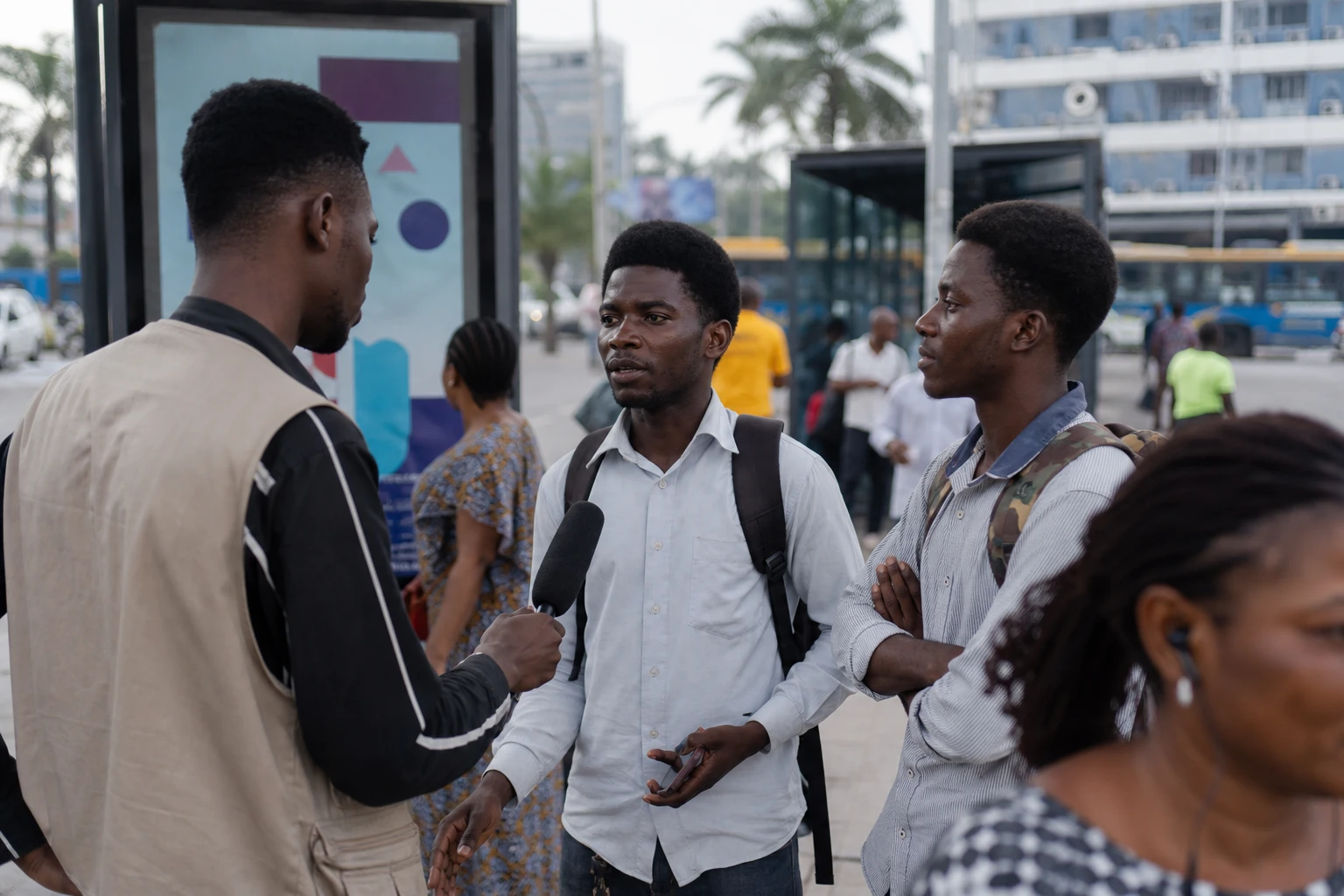
In Ituri, the health emergency is also being fought on the scientific front
In the east of the Democratic Republic of the Congo, the outbreak is not just pitting health workers against the virus. It is also testing the speed of research, community trust and the country’s ability to bring its own institutions together with regional partners. The core problem is simple: when an Ebola strain has neither an approved vaccine nor a specific treatment, every day counts.
The latest situation report published by the WHO for Africa described an outbreak that, as of 31 May 2026, had spread to 23 health zones in three Congolese provinces: Ituri, North Kivu and South Kivu. The organisation reported 321 confirmed cases and 48 confirmed deaths in the DRC. Africa CDC, for its part, reported difficulties in field monitoring, shortages of protective equipment and community resistance in some areas.
Clinical trial launched in the middle of an outbreak hotspot
Research has accelerated in response to the spread. On 13 July 2026, the University of Oxford announced the launch of the world’s first phase I trial of a vaccine against the Bundibugyo virus, one of the Ebola virus species. On 24 July, the first volunteer was vaccinated. The candidate being tested, ChAdOx1 BDBV, uses the same platform as the vaccine developed by Oxford and AstraZeneca against Covid-19.
This detail matters. The Bundibugyo strain is not the same as the Zaire strain, against which validated tools already exist. In May 2026, the WHO noted that no approved vaccine or specific treatment was available for Bundibugyo. This therapeutic gap is precisely what explains the urgency of moving to human trials, after weeks of preclinical preparation and accelerated manufacturing.
According to Oxford, the trial campaign is backed by rapid dose production and emergency funding from CEPI to advance several candidates. Other teams also published data in late July showing that people vaccinated against Zaire Ebola had developed antibodies capable of reacting partly against Bundibugyo. The hypothesis is promising, but it is not yet proof of clinical protection.
What this means for the DRC, Uganda and the region
The issue extends beyond the DRC alone. Since 15 May 2026, Uganda has also been affected by cases linked to the same outbreak, prompting the WHO to classify the event as a public health emergency of international concern. Africa CDC, for its part, declared a public health emergency of continental security on 18 May, before a continental preparedness and response plan was launched with the WHO and its partners on 5 June.
For Kinshasa, the battle is therefore being fought on three fronts. First, surveillance: identifying cases quickly, especially in the eastern provinces where population movements complicate monitoring. Then, care: isolating and treating patients and protecting teams, even as stocks, ambulances and equipment remain under strain in several health zones. Finally, trust: without the support of families and community networks, prevention messages arrive too late or meet with suspicion.
The outbreak also reveals a very real divide between the capitals and the regions. In Kinshasa, the response runs through ministries, national laboratories and budget decisions. In Bunia, Mongbwalu, Rwampara and Beni, it depends above all on the availability of a treatment centre, a mobile laboratory, a contact-tracing team and the ability to bury the dead without putting the living at greater risk. The same virus therefore does not produce the same social shock everywhere. It first disrupts markets, routine healthcare, travel and informal jobs.
A sequence to watch beyond Central Africa
The launch of this first human trial marks a turning point for African and global research. It shows that an outbreak in Africa can set off, within weeks, a chain of decisions linking laboratories, regulators, funders and the continent’s health authorities. It is also a test of health sovereignty: Africa’s ability to obtain tools suited to its emerging outbreaks without waiting for a crisis to become global.
The next steps will depend on several milestones coming soon. First, it will be necessary to establish whether the ChAdOx1 BDBV vaccine is well tolerated and immunogenic in humans. The development of cases in the DRC and Uganda will then need to be monitored, with the WHO continuing to publish weekly updates. Finally, it will be important to see whether the first signs of cross-immunity observed in the laboratory can translate into real protection in affected areas. For now, scientific hope exists. But on the ground, the response remains under pressure.



