
 Algeria
 Egypt
 Libya
 Morocco
 Sudan
 Tunisia
 Benin
 Burkina Faso
 Cabo Verde
 Côte d'Ivoire
 Ghana
 Guinea
 Guinea-Bissau
 Liberia
 Mali
 Mauritania
 Niger
 Nigeria
 Senegal
 Sierra Leone
 The Gambia
 Togo
 Cameroon
 Central African Republic
 Chad
 Equatorial Guinea
 Gabon
 Republic of the Congo
 São Tomé and Príncipe
 Burundi
 Comoros
 Djibouti
 Eritrea
 Ethiopia
 Kenya
 Madagascar
 Malawi
 Mauritius
 Mozambique
 Rwanda
 Seychelles
 Somalia
 South Sudan
 Tanzania
 Uganda
 Angola
 Botswana
 Eswatini
 Lesotho
 Namibia
 South Africa
 Zambia
 Zimbabwe
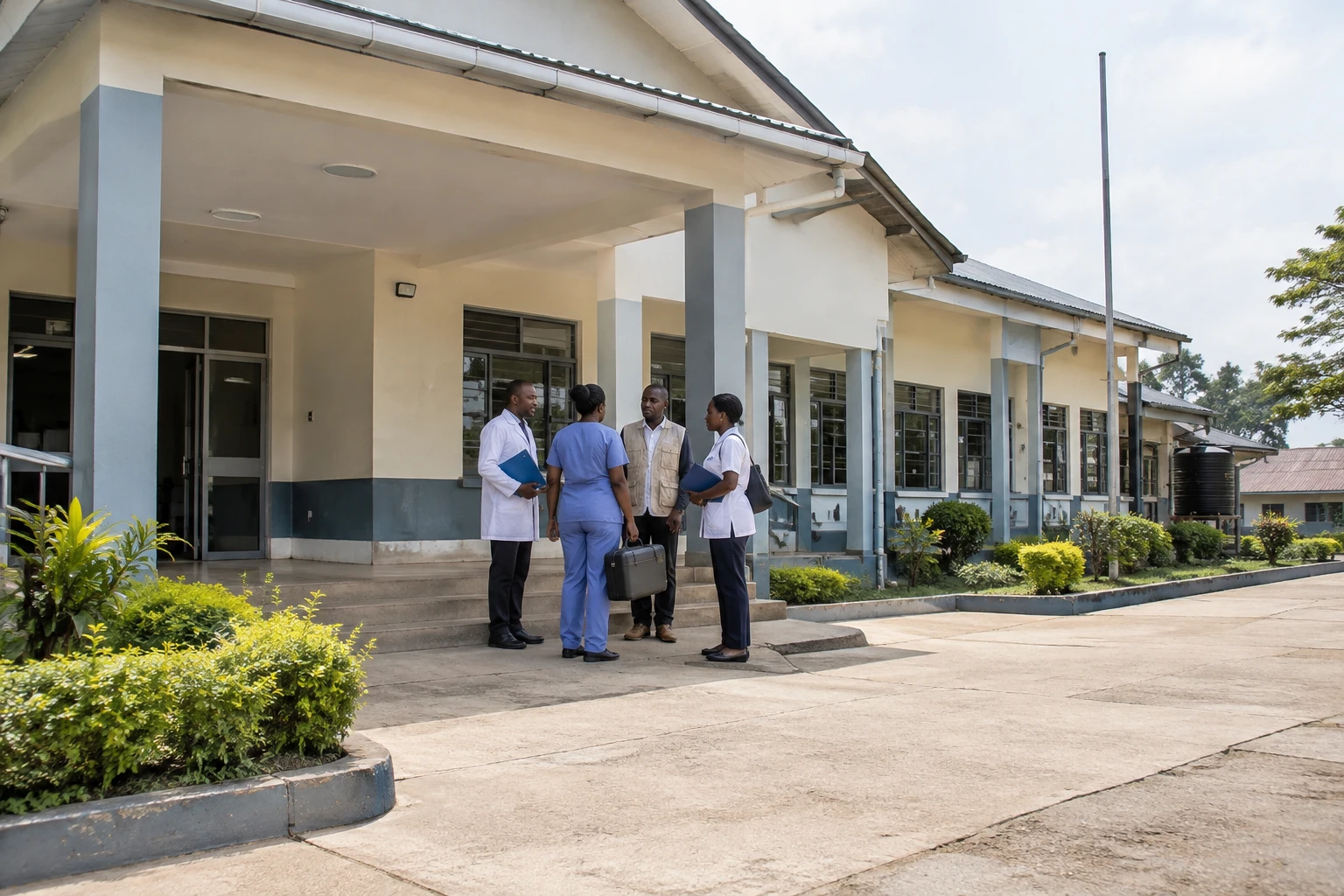
In the Democratic Republic of the Congo, the Ebola outbreak has spread far beyond its initial epicentre. As of 25 October 2026, Congolese authorities had recorded 10 060 confirmed cases and 4 887 deaths. The challenge is no longer limited to treating patients: transmission chains must also be traced across vast, mobile and sometimes hard-to-reach regions.
An outbreak that has grown in scale
The Bundibugyo virus, a rare Ebola strain, was detected in May 2026 in Ituri province, in the north-east of the country. Authorities then declared the 17th Ebola outbreak in the DRC. Since then, the virus has affected eight provinces. Ituri remains the main epicentre, but transmission has spread notably to North Kivu, South Kivu, Haut-Uélé, Bas-Uélé, South Ubangi, North Ubangi and Tshopo.
The toll of 10 060 cases and 4 887 deaths, based on Congolese data as of 25 October, has also been reported by the European Centre for Disease Prevention and Control. This corresponds to a case fatality rate of close to 49 %. This ratio describes the proportion of deaths among confirmed cases; it does not measure the individual risk for each resident. The World Health Organization (WHO) classifies this outbreak as the largest Ebola epidemic ever recorded in the DRC, across all strains.
The spread has now crossed the Congolese border. Cases linked to the outbreak have been reported in Uganda, Kenya and Nigeria. Uganda declared its outbreak over on 27 August, while infections were confirmed in Kenya and Nigeria in October. The movement of people between countries makes regional surveillance essential, although every case detected abroad does not necessarily mean sustained local transmission.
A strain with no licensed vaccine
Bundibugyo complicates the medical response. Unlike the Zaire strain, for which specific tools have been developed, no vaccine or treatment specifically targeting the Bundibugyo virus is currently approved. Teams are therefore relying on testing, isolation, supportive care, contact tracing and infection prevention in health facilities.
A phase 2/3 clinical trial of vaccine candidates nevertheless began in Bunia on 23 October. It is expected to generate data to assess their safety and potential efficacy. The launch of the trial marks a research milestone, not the immediate availability of a vaccine for the population.
Transmission occurs through direct contact with the bodily fluids of an infected person or contaminated surfaces. Early symptoms resemble those of other common illnesses, such as malaria. Without laboratory testing, this similarity can delay case identification. Prompt care, appropriate isolation and safe burials help limit infections.
Trust and access to care at the heart of the response
In Ituri and other affected provinces, the fight against Ebola is taking place in areas marked by insecurity, population displacement and uneven transport infrastructure. These factors complicate the deployment of teams and the delivery of samples and equipment. They also affect access to routine care, particularly when facilities are mobilised to respond to the outbreak.
Contact tracing remains a crucial indicator. If sick people are not identified in time, teams cannot monitor their close contacts and act quickly. Authorities and health partners must therefore work with communities, explain the measures and address families’ concerns. Trust helps people report symptoms and access care; it cannot be imposed.
Residents of rural and remote areas may face different obstacles from those in urban centres: distance from medical facilities, difficult roads or delays in diagnosis. For healthcare workers, protection against infection and the availability of equipment remain critical. In Kinshasa, national authorities coordinate the response, but most operational work is taking place in the affected provinces.
A response that extends beyond the Congolese border
The DRC shares borders, trade routes and daily movements of people with its neighbours. Kenya and Nigeria activated surveillance and contact-tracing measures after imported cases were detected. The WHO is urging countries in the region to strengthen laboratories, rapid case detection and cross-border coordination. It is not recommending general travel or trade restrictions.
For the African Union and the continent’s health bodies, the challenge is also to strengthen regional response capacity: share alerts, deliver tests and support national health systems before new outbreaks take hold. Cooperation does not replace the responsibilities of states, but an outbreak that crosses borders cannot be contained by one country alone.
The next developments to watch are the trend in new cases in the DRC, the results of the vaccine trial launched in Bunia and the control of transmission chains in Kenya and Nigeria. Passing the 10 000-case threshold reflects the scale of the crisis. The ability to detect infections early, provide prompt treatment and maintain trust will determine the next stage of the response.
The toll and regional situation are corroborated by WHO information on the Bundibugyo outbreak, the European Centre for Disease Prevention and Control’s monitoring and WHO Africa regional bulletins.



