Algeria
 Egypt
 Libya
 Morocco
 Sudan
 Tunisia
 Benin
 Burkina Faso
 Cabo Verde
 Côte d'Ivoire
 Ghana
 Guinea
 Guinea-Bissau
 Liberia
 Mali
 Mauritania
 Niger
 Nigeria
 Senegal
 Sierra Leone
 The Gambia
 Togo
 Cameroon
 Central African Republic
 Chad
 Equatorial Guinea
 Gabon
 Republic of the Congo
 São Tomé and Príncipe
 Burundi
 Comoros
 Djibouti
 Eritrea
 Ethiopia
 Kenya
 Madagascar
 Malawi
 Mauritius
 Mozambique
 Rwanda
 Seychelles
 Somalia
 South Sudan
 Tanzania
 Uganda
 Angola
 Botswana
 Eswatini
 Lesotho
 Namibia
 South Africa
 Zambia
 Zimbabwe
An epidemiological toll can change without a sudden wave of deaths having occurred. In the Democratic Republic of the Congo (DRC), the latest revision of Ebola data highlights the importance of tracking deaths in communities and maintaining accurate records during an outbreak spanning several provinces.
Revised figures, not a one-day increase
As of 30 October 2026, Congolese health authorities reported 10,414 confirmed cases and 5,372 deaths, a case fatality rate of 51.6%. The rate represents the proportion of people reported ill who have died. These figures were released in the situation bulletin of the National Public Health Institute (INSP).
Authorities said the increase in the death toll resulted from a retrospective data update carried out with field teams in Ituri province. It therefore does not represent 380 deaths occurring in a single day. Previous bulletins gave lower totals, underlining the importance of specifying the date of the data and any corrections made.
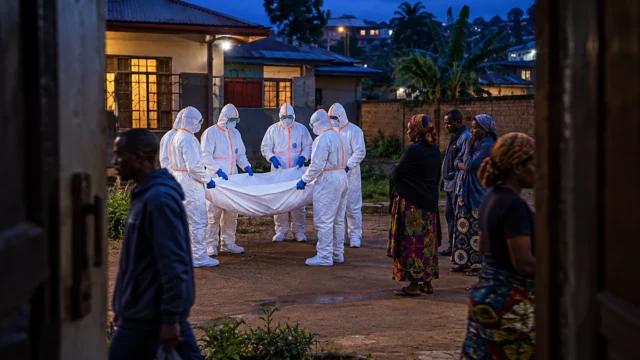
The figures should be read with this caveat: they are deaths recorded and confirmed in health data, which can be revised as checks are carried out. Tracking deaths outside treatment centres remains particularly important. In September, Africa CDC said community deaths still accounted for a high proportion of reported deaths and that gaps in contact tracing were complicating the response.
An outbreak caused by Bundibugyo virus
The current outbreak, declared on 15 May 2026, is caused by Ebola Bundibugyo virus. It is the 17th Ebola outbreak recorded in the DRC since the virus was discovered in the country in 1976. The national reference laboratory, the National Institute for Biomedical Research (INRB), confirmed the first cases in Ituri, in the north-east of the country.
This distinction matters for the medical response. According to the World Health Organization (WHO), no licensed vaccine or approved treatment specifically targets the disease caused by Bundibugyo virus. Studies and research are under way. Previous responses to other Ebola strains therefore cannot be applied automatically.
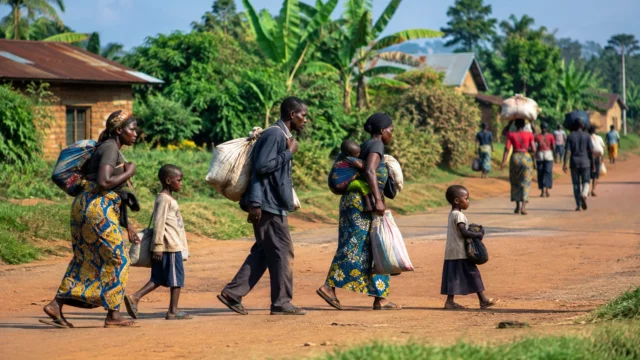
Ituri remains the epicentre, but transmission is not confined to the province. Health bulletins have also recorded cases in provinces such as North Kivu and Haut-Uélé. This geography requires surveillance beyond the initial outbreak areas: population movements, trade and difficulties accessing some areas can complicate contact tracing and the delivery of care.
The challenge is also local
A national rate summarises the situation, but does not on its own show where needs are most urgent. Risks and treatment capacity vary between provinces and health zones. For families living far from a medical centre, delays in diagnosis and access to care can have a major impact. For health teams, deaths at home complicate efforts to prevent infections and reconstruct chains of transmission.
Community trust is therefore a practical part of the response. Testing, monitoring people exposed to the virus and early treatment also depend on the quality of dialogue between residents and health workers. Africa CDC has recommended strengthening local involvement, improving contact tracing and maintaining essential health services, which the outbreak may disrupt.
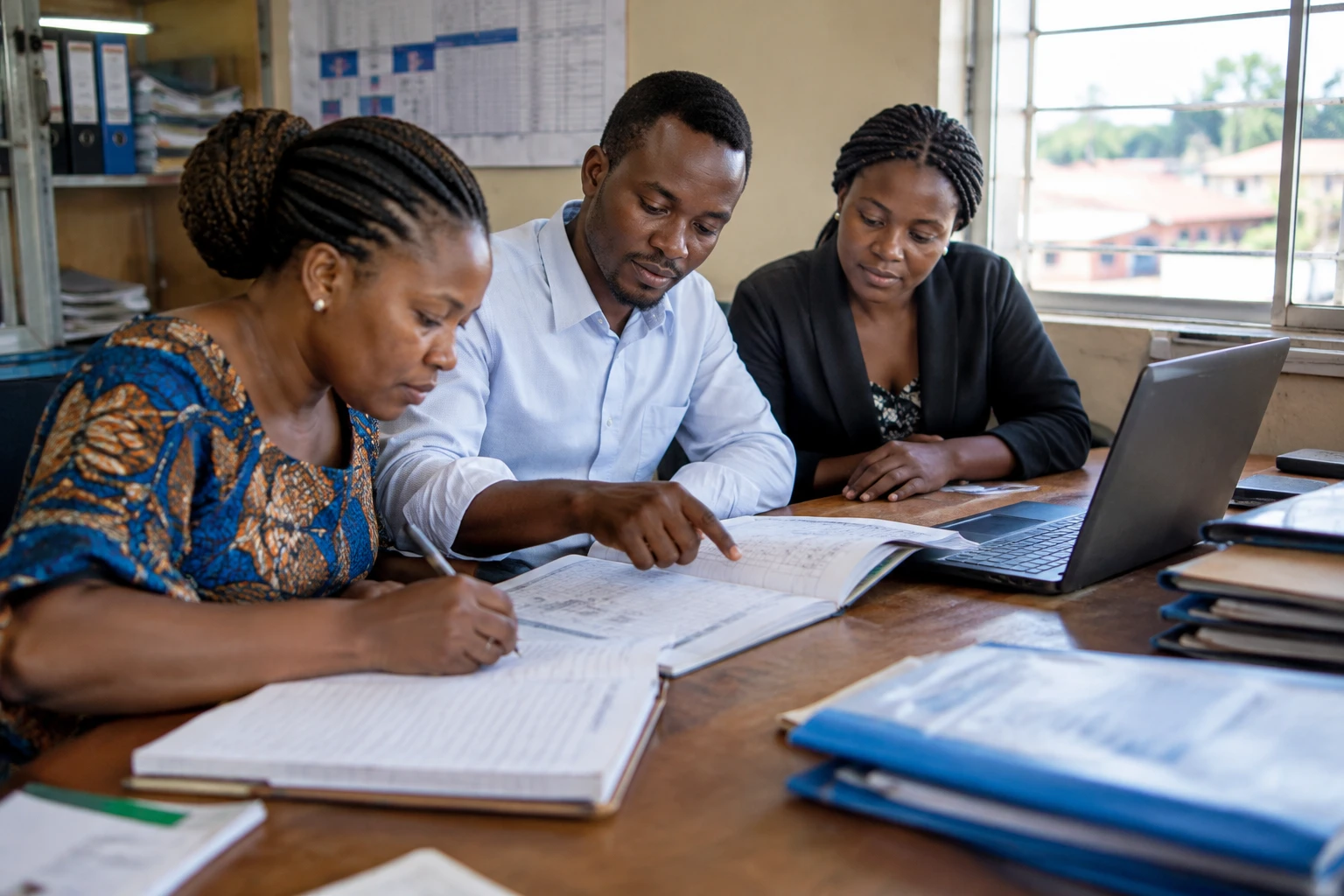
This requirement also applies to data management. A retrospective correction can provide a more complete picture of the outbreak, but makes daily comparisons difficult. Readers and decision-makers need to distinguish newly observed deaths from those added after verification. Such transparency helps prevent misinterpretations and direct resources towards actual needs.
An emergency that crosses borders
The spread of the virus has already required regional coordination. WHO declared the outbreak a public health emergency of international concern in May 2026, and Africa CDC activated continental coordination. Uganda has also been affected by cases linked to the outbreak, a reminder that administrative borders do not reflect how people move.
For the DRC, the challenge is to maintain surveillance in affected provinces while preventing the response from further weakening routine healthcare. For neighbouring countries, it is a matter of quickly detecting any cases and coordinating health measures. Public health recommendations do not boil down to closing borders: WHO stresses the value of cooperation and surveillance tailored to cross-border movements.
The next assessment of the toll should therefore look as much at data quality, community deaths and teams’ ability to trace contacts as at the evolution of case numbers. The figure of 5,372 deaths represents a considerable human toll, but its revision also highlights an essential reality: in an outbreak, accurate measurement is part of the response.