
 Algeria
 Egypt
 Libya
 Morocco
 Sudan
 Tunisia
 Benin
 Burkina Faso
 Cabo Verde
 Côte d'Ivoire
 Ghana
 Guinea
 Guinea-Bissau
 Liberia
 Mali
 Mauritania
 Niger
 Nigeria
 Senegal
 Sierra Leone
 The Gambia
 Togo
 Cameroon
 Central African Republic
 Chad
 Equatorial Guinea
 Gabon
 Republic of the Congo
 São Tomé and Príncipe
 Burundi
 Comoros
 Djibouti
 Eritrea
 Ethiopia
 Kenya
 Madagascar
 Malawi
 Mauritius
 Mozambique
 Rwanda
 Seychelles
 Somalia
 South Sudan
 Tanzania
 Uganda
 Angola
 Botswana
 Eswatini
 Lesotho
 Namibia
 South Africa
 Zambia
 Zimbabwe
A ceasefire only counts if it is visible on the ground
In eastern Democratic Republic of the Congo, agreements are rarely measured by the length of communiqués. They are judged by the movement of civilians, the silence of guns, and the very real possibility of reaching Minembwe, Uvira or Kalehe without reverting to the reflexes of war. It was against this backdrop that the first regional ceasefire verification mission was deployed on Monday 24 August 2026, as fighting and allegations of abuses continue between Kinshasa and the AFC/M23.
The deployment comes after several months of talks held under the Doha process, with Qatari mediation, US support, African Union participation, Switzerland hosting the latest exchanges, and the involvement of the International Conference on the Great Lakes Region, the ICGLR, which brings together 12 states in the region. As early as June 2026, the African Union had called for a genuine end to hostilities around Minembwe and swift support for the expanded verification mechanism.
The EJVM+ finally enters its visible phase
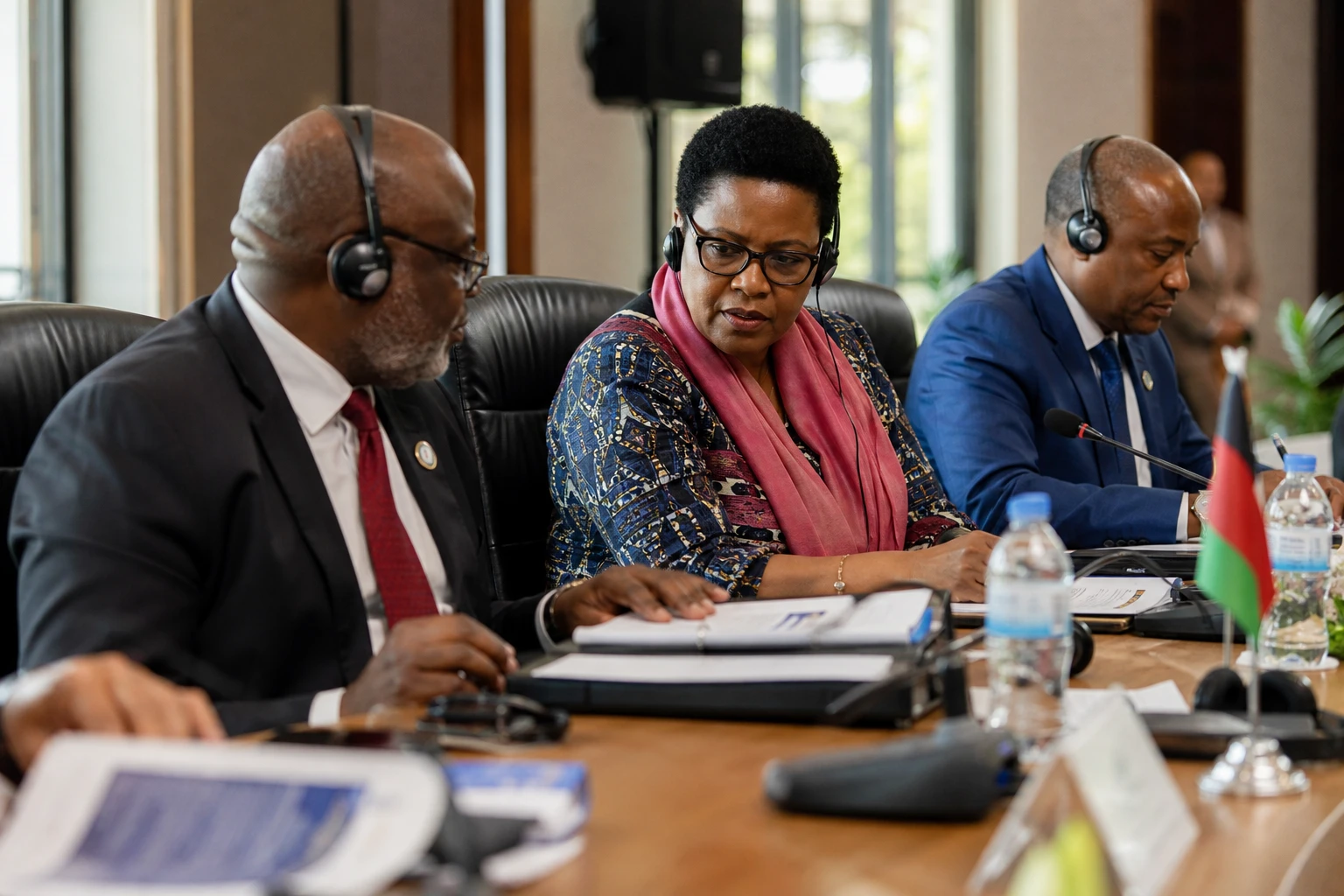
The deployed mechanism is called the Expanded Joint Verification Mechanism Plus, or EJVM+, also sometimes referred to as MCVE+ in French-language documents. Its principle is simple: bring together representatives of Kinshasa, the AFC/M23 and observers from ICGLR member states to establish on the ground whether there have been alleged ceasefire violations and report them promptly. UN documents and communiqués published on the Doha process indicate that a preliminary reconnaissance was carried out on 20 August, with logistical support from MONUSCO, ahead of the verification mission announced for 24 August in Minembwe.
The presence of UN helicopters to transport the delegation to Minembwe says much about the difficulty of the terrain. The highlands of South Kivu remain fragmented, isolated and contested by several armed forces and allied groups. The M23 withdrew from Uvira in January, but the city remains tense. Kalehe has reported further fighting in recent weeks. Minembwe, meanwhile, lies at the heart of an area where humanitarian travel, independent investigations and journalists’ work remain extremely difficult.
Diplomatic progress, but a war of attrition continues
The diplomatic calendar of summer 2026 has accelerated without silencing the guns. In April, talks in Switzerland had already resulted in a memorandum facilitating the operationalisation of the EJVM+. In July 2025, Kinshasa and the AFC/M23 had committed in Doha to a ceasefire that was never implemented on a lasting basis. The latest exchanges, held in Switzerland from 17 to 21 August 2026, resulted in a roadmap for continuing negotiations, according to texts made public by the facilitators and reported by several Congolese media outlets.
At the same time, Kinshasa and the AFC/M23 have continued to accuse each other. On Monday 24 August, the Congolese government denounced crimes and serious human rights violations in areas controlled by the AFC/M23, citing more than 300 deaths in June and July. For its part, the armed movement’s spokesperson accused government forces of an artillery attack near Minembwe. These claims remain difficult to verify independently in an area where access is limited and where several reports by NGOs and UN experts describe intense pressure on dissenting voices, human rights defenders and journalists.
Caution is therefore essential. The figure of 300 deaths cited by Kinshasa should be treated as a serious allegation, not a confirmed toll unless corroborated by independent sources. The same applies to the bombing allegations made by the AFC/M23. In this war of position, each side is also trying to shape the political narrative. If it works, the verification mechanism should help reduce this opacity.
What this mission changes for DR Congo and the region
For the Congolese authorities, the stakes are twofold. First, they need to show that the state has not abandoned the east, even where the military balance is unfavourable to it on certain fronts. Second, they need to prove that regional diplomacy can support action on the ground, rather than leaving civilian security to political announcements alone. The new comprehensive defence doctrine presented in Kinshasa on 20 August 2026 points in this direction: it seeks to bring together the army, diplomacy, intelligence, justice, strategic communications and information sovereignty.
For the people of South Kivu, the benefits are more immediate. A verified ceasefire could eventually make roads, markets, the movements of displaced families and humanitarian access safer. But experience in recent years calls for caution: as long as violations go unpunished and chains of command remain intact, a monitoring mechanism can become little more than a diplomatic holding bay. The people of Minembwe, Uvira and Kalehe know that peace also depends on the long term, through a state presence, civilian protection and the return of a functioning administration.
At regional level, this episode is a reminder that the Congolese crisis extends far beyond a local stand-off. It involves the ICGLR, the African Union, MONUSCO, as well as the balance of relations between Kinshasa and Kigali. In June 2026, the AU Peace and Security Council had already stressed the need to defuse tensions around Minembwe and support the verification mechanism without delay. The issue remains a test of credibility for African conflict prevention and management tools, in a region where agreements are multiplying but their implementation remains the real fault line.
What happens next will depend on three things: the EJVM+’s ability to move without hindrance, the parties’ genuine willingness to allow it to document violations, and the mediators’ consistency in maintaining pressure. In eastern Democratic Republic of the Congo, the challenge is not simply to sign a peace agreement. It is to make peace observable, verifiable and lasting.



