Algeria
 Egypt
 Libya
 Morocco
 Sudan
 Tunisia
 Benin
 Burkina Faso
 Cabo Verde
 Côte d'Ivoire
 Ghana
 Guinea
 Guinea-Bissau
 Liberia
 Mali
 Mauritania
 Niger
 Nigeria
 Senegal
 Sierra Leone
 The Gambia
 Togo
 Cameroon
 Central African Republic
 Chad
 Equatorial Guinea
 Gabon
 Republic of the Congo
 São Tomé and Príncipe
 Burundi
 Comoros
 Djibouti
 Eritrea
 Ethiopia
 Kenya
 Madagascar
 Malawi
 Mauritius
 Mozambique
 Rwanda
 Seychelles
 Somalia
 South Sudan
 Tanzania
 Uganda
 Angola
 Botswana
 Eswatini
 Lesotho
 Namibia
 South Africa
 Zambia
 Zimbabwe
When public health crosses borders
A virus does not stop at a border crossing. Yet whenever an epidemic spreads, governments often seek to regain control with measures that are swift, visible and politically reassuring. Canada’s decision targeting travellers who have stayed in the Democratic Republic of the Congo falls into this category.
The issue, however, goes beyond airport management. It touches on confidence in surveillance systems, the movement of healthcare workers and aid workers, and the image of a country already on the front line against Ebola. The challenge, for Congolese people and their regional partners, is simple: contain the disease without further isolating populations or slowing aid.
DR Congo at the heart of a health and regional crisis
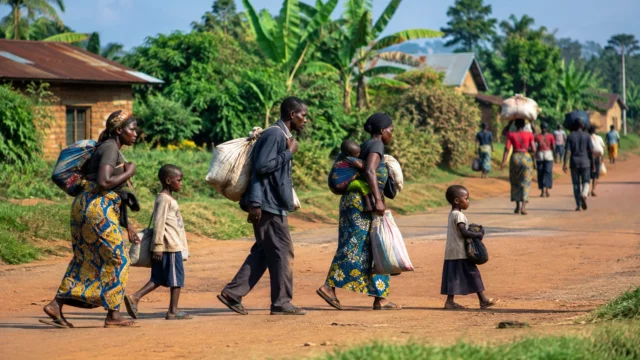
The Democratic Republic of the Congo, whose capital is Kinshasa, has already faced several Ebola outbreaks. The outbreak discussed here developed in the east of the country, in a complex environment shaped by population movements, fragile healthcare facilities and localised insecurity. In this area, the health response depends as much on medical teams as on access to roads, laboratories and communities.
At international level, the World Health Organization has repeatedly said that travel and trade restrictions are not recommended when they offer no clear health benefit. In its 2019 updates, the WHO also stressed a central point: barriers to movement can complicate the response rather than facilitate it. The WHO alert on the outbreak in DR Congo specifically highlights this risk.
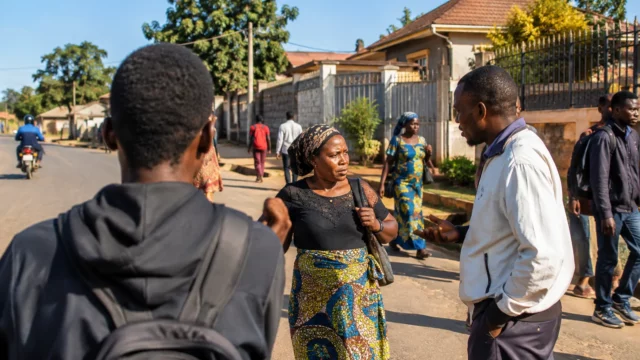
For DR Congo’s neighbours, this is no theoretical question. Mobility corridors, cross-border families and informal trade link eastern Congo with several countries in Central Africa and the Great Lakes region. A health measure taken in Ottawa therefore resonates far beyond Canada.
What Canada has decided
The Canadian government announced that a foreign national who had stayed in the Democratic Republic of the Congo in the 21 days before arriving would be temporarily barred from entering the country. This period corresponds to the incubation period taken into account for Ebola. Canadian authorities had also suspended the processing of some immigration applications linked to countries affected by the outbreak. Canada’s official decision reflects a policy of maximum precaution.
This approach is, however, at odds with the WHO’s guiding framework. The UN agency recommends against imposing general restrictions on travel or trade with DR Congo, arguing that they can stigmatise populations and divert attention from genuinely effective measures: targeted screening, contact tracing, prompt treatment and vaccination around cases.
In short, Canada has opted for a broad health barrier. The WHO, by contrast, advocates a more tailored response focused on actual risk rather than place of origin. This is where a familiar divide between perceived security and evidence-based public health comes into play.
Why the outbreak had already alarmed healthcare workers
Even before this decision, several humanitarian organisations had warned about the scale of the outbreak. Médecins Sans Frontières described rapid spread, with new areas affected, surveillance teams under pressure and treatment centres sometimes overwhelmed. The organisation also noted that limited access to healthcare left many communities on the margins of the response. Médecins Sans Frontières’ analysis points in the same direction.
The figures cited at the time conveyed the scale of the problem. The source material refers to more than 2,100 people affected and 828 deaths. WHO bulletins, meanwhile, said that in the spring and summer of 2019 the outbreak had reached a critical threshold, with high mortality and continued geographical spread. In July 2019, the WHO declared a public health emergency of international concern, after determining that the outbreak met the criteria for such an alert. The WHO’s official declaration confirms this turning point.
In practice, the response remains uneven. Major cities have more facilities, laboratories and trained staff. Rural areas, by contrast, depend on often fragile roads, residents’ trust and surveillance capable of quickly identifying suspected cases. It is in this gap that outbreaks gain ground.
What this decision means for DR Congo and Central Africa
For the Congolese authorities, this foreign announcement has a double effect. On the one hand, it can be read as a sign of international concern about the health situation. On the other, it risks reinforcing the idea that DR Congo is seen first and foremost as a risk to be screened out, rather than as a country mobilising its own health institutions, doctors and community networks to control the crisis.
For travellers, students, traders and aid workers, the measure creates uncertainty. It may slow journeys that are useful to the response, particularly when staff or equipment need to be transported. It may also complicate the return of the Congolese diaspora, which often faces longer screening procedures.
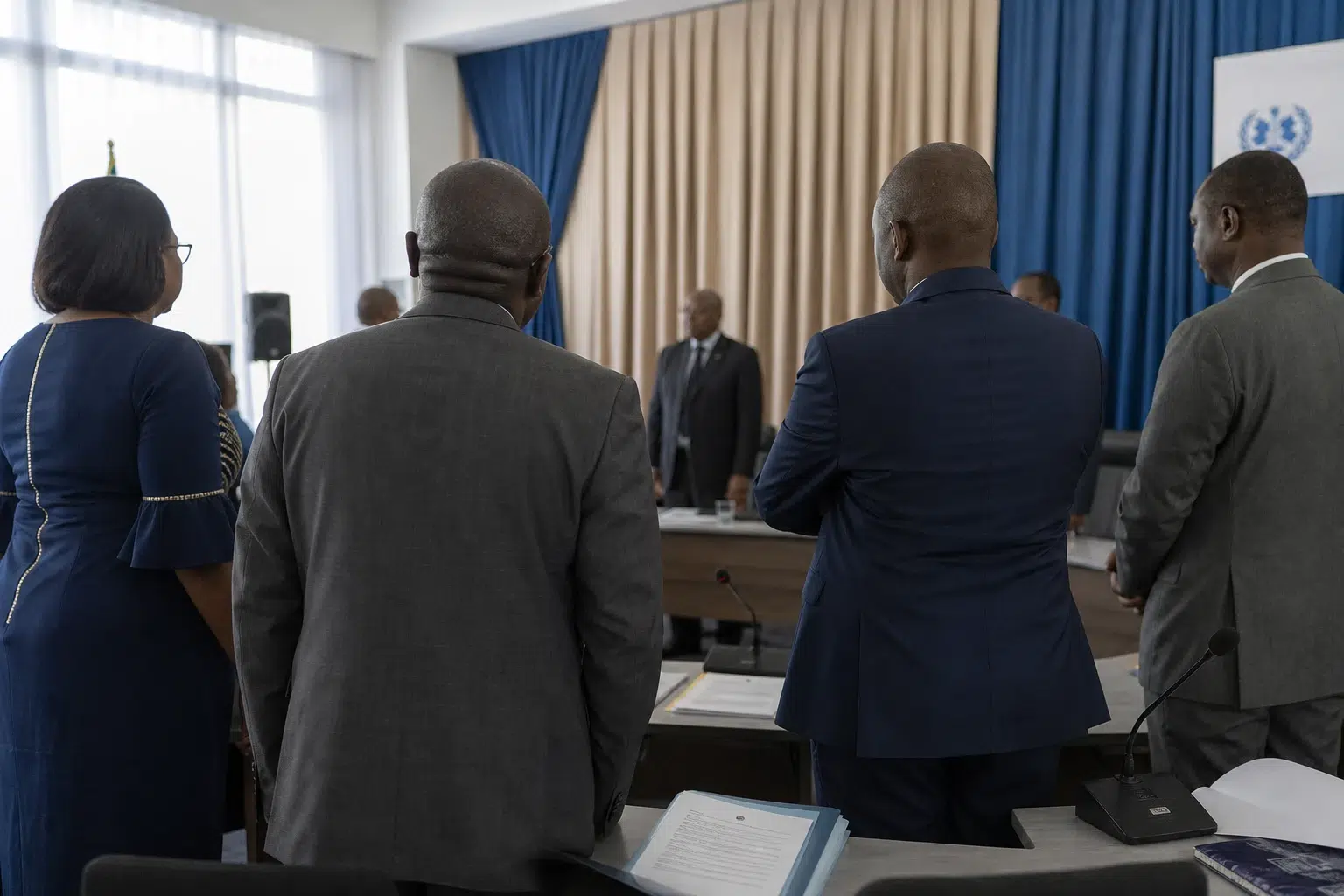
At regional level, the message matters just as much. In Central Africa, governments are watching how a major power handles a health crisis originating on the continent. Such decisions can then influence airlines, immigration services and, sometimes, quarantine measures in other countries. That is why coordination with regional and continental frameworks remains essential, whether through the African Union, public health networks or cross-border cooperation mechanisms.
The lesson is clear: when facing Ebola, symbolic closure is no substitute for a health response. Surveillance, community trust, healthcare workers’ safety and the rapid flow of information remain the decisive levers. For DR Congo and its neighbours, this is where the real containment of the outbreak will be determined.