Algeria
 Egypt
 Libya
 Morocco
 Sudan
 Tunisia
 Benin
 Cabo Verde
 Côte d'Ivoire
 Ghana
 Guinea
 Guinea-Bissau
 Liberia
 Mali
 Mauritania
 Niger
 Nigeria
 Senegal
 Sierra Leone
 The Gambia
 Togo
 Cameroon
 Central African Republic
 Chad
 DR Congo
 Equatorial Guinea
 Gabon
 Republic of the Congo
 São Tomé and Príncipe
 Burundi
 Comoros
 Djibouti
 Eritrea
 Ethiopia
 Kenya
 Madagascar
 Malawi
 Mauritius
 Mozambique
 Rwanda
 Seychelles
 Somalia
 South Sudan
 Tanzania
 Uganda
 Angola
 Botswana
 Eswatini
 Lesotho
 Namibia
 South Africa
 Zambia
 Zimbabwe
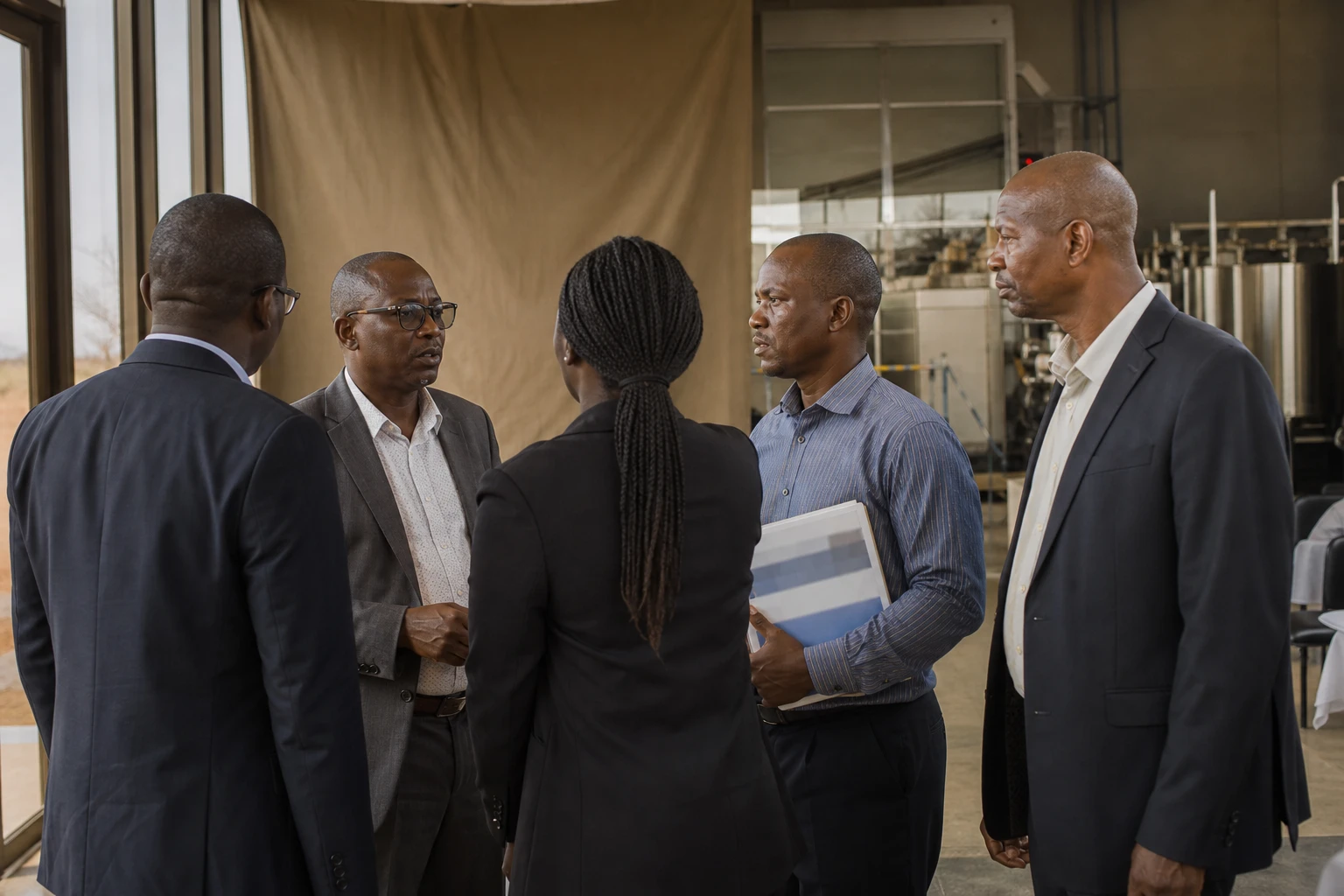
In Ouagadougou, Burkina Faso now wants to have a say across the entire gold supply chain, not just in extraction. The stakes go beyond building a plant: the aim is to better control flows, secure a strategic resource and retain more value in the national economy.
A new tool in Burkina Faso’s mining strategy
Captain Ibrahim Traoré inaugurated Burkina Faso’s first gold refinery in Ouagadougou on Monday, 28 September 2026. Named RAFFINOR-BF, the facility is to process doré — a raw bar produced after an initial treatment — into fine gold with a purity of up to 99.9%.
The inauguration follows the laying of the project’s foundation stone on 23 November 2023. According to the Burkina Faso Government Information Service, the goal is to strengthen the country’s economic independence and reduce its reliance on foreign processing and trading centres.
The president of Burkina Faso summed up this approach at the ceremony: Burkinabè gold must now be “processed, controlled, enhanced and certified” on national soil. The phrase reflects a shift that has been under way for several years in the country’s mining policy.
Burkina Faso has already strengthened the state’s presence in the sector. The new mining code adopted in 2024 notably provides for greater public participation in mining companies. The country has also established a framework for building a national gold reserve, with a right of first refusal allowing the state to buy part of production ahead of others.
The Burkina Faso Deposit and Investment Fund describes the reserve as a strategic tool. Among other purposes, it is intended to preserve some of the country’s mining wealth rather than immediately convert it into current revenue.
Formalising a sector that is difficult to measure
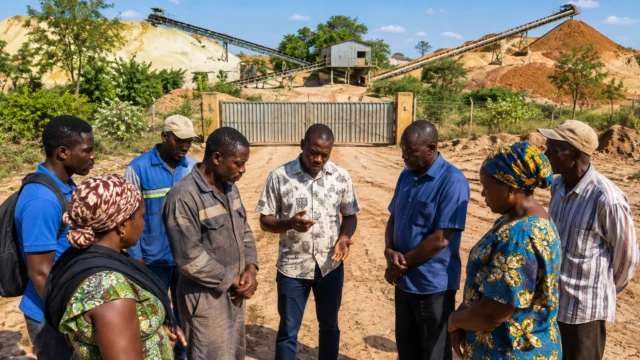
The refinery is also intended to serve artisanal gold mining. The activity supports many workers, but remains exposed to informality, parallel channels and difficulties of oversight in several parts of the country.
In February 2024, the authorities banned exports of gold from artisanal and semi-mechanised mining. The measure was intended to require operators to declare more of their production and channel it through monitored routes.
The government says this policy has helped increase officially recorded volumes. However, the figures cited vary according to the categories used and the methods of accounting. Industrial gold, declared artisanal gold and volumes that still escape public statistics should therefore be distinguished.
A report by the World Bank confirms the scale of informality and illicit financial flows in the sector. It also says the ban on artisanal gold exports forms part of a broader reform of the mining code and resource governance.
For the state, the expected benefit is twofold. Better traceability can increase tax revenues. It can also reduce clandestine shipments to neighbouring countries or major international refining centres, notably Dubai and Zurich.
The refinery alone cannot guarantee higher revenues
Processing gold locally does not automatically mean capturing significant added value. Refining generally brings a limited margin compared with extraction. The real difference will therefore depend on Burkina Faso’s ability to control the purchase, assaying, storage, certification and marketing of gold bars.
International certification will be a decisive factor. The best-known benchmark remains that of the London Bullion Market Association, or LBMA. The organisation sets standards widely used by banks, traders and investors in the global gold market.
Without equivalent recognition, bars produced in Ouagadougou might have to undergo further processing abroad before being accepted in some markets. Ghana, which is also seeking to develop local refining, emphasises the need to ensure its facilities work towards certification compatible with international standards.
The Ghana Gold Board, the public body responsible for buying, controlling and exporting Ghanaian gold, directly links the development of refineries to obtaining recognised certification. This experience shows that a plant is only one link in a much broader system.
Burkina Faso will also have to guarantee the quality of assays, the security of stocks and the transparency of transactions. Finally, it will need to find buyers able to sell the bars without driving up costs for artisanal producers.
A trend extending beyond Burkina Faso
The movement spans much of West Africa. Ghana is developing its monitoring and refining capacity. Mali is preparing a facility with Russia’s Yadran group. Côte d’Ivoire has announced a similar project, while Guinea and Niger are also seeking greater control of the sector.
This shift is taking place amid a regional push to negotiate better terms for resource exploitation. Member states of the West African Economic and Monetary Union, or WAEMU, already share rules in several areas, but their mining policies remain largely national.
Burkina Faso is also a member of the Economic Community of West African States, or ECOWAS, although its relations with the organisation have become strained since political changes in the Sahel. Establishing national channels for gold could therefore strengthen border controls and complicate informal trade flows between neighbouring countries.
Across the continent, the reserves accumulated by African states remain modest compared with the volumes traded on global markets. They are not expected, on their own, to upend the international price of gold. However, they can alter the geography of flows and strengthen governments’ negotiating power.
For the Burkinabè authorities, the next step will be to ensure RAFFINOR-BF operates regularly, with traceable production and recognised certification. For artisanal miners, the questions will be access to the official channel, the price paid and the speed of transactions.
The refinery thus opens up an opportunity, but it does not resolve the entire mining question. Economic sovereignty will also depend on governance, revenue-sharing, security in producing areas and the ability to invest revenues in sustainable activities in Burkina Faso.