
 Algeria
 Egypt
 Libya
 Morocco
 Sudan
 Tunisia
 Benin
 Burkina Faso
 Cabo Verde
 Côte d'Ivoire
 Ghana
 Guinea
 Guinea-Bissau
 Liberia
 Mali
 Mauritania
 Niger
 Nigeria
 Senegal
 Sierra Leone
 The Gambia
 Togo
 Cameroon
 Central African Republic
 Chad
 Equatorial Guinea
 Gabon
 Republic of the Congo
 São Tomé and Príncipe
 Burundi
 Comoros
 Djibouti
 Eritrea
 Ethiopia
 Kenya
 Madagascar
 Malawi
 Mauritius
 Mozambique
 Rwanda
 Seychelles
 Somalia
 South Sudan
 Tanzania
 Uganda
 Angola
 Botswana
 Eswatini
 Lesotho
 Namibia
 South Africa
 Zambia
 Zimbabwe
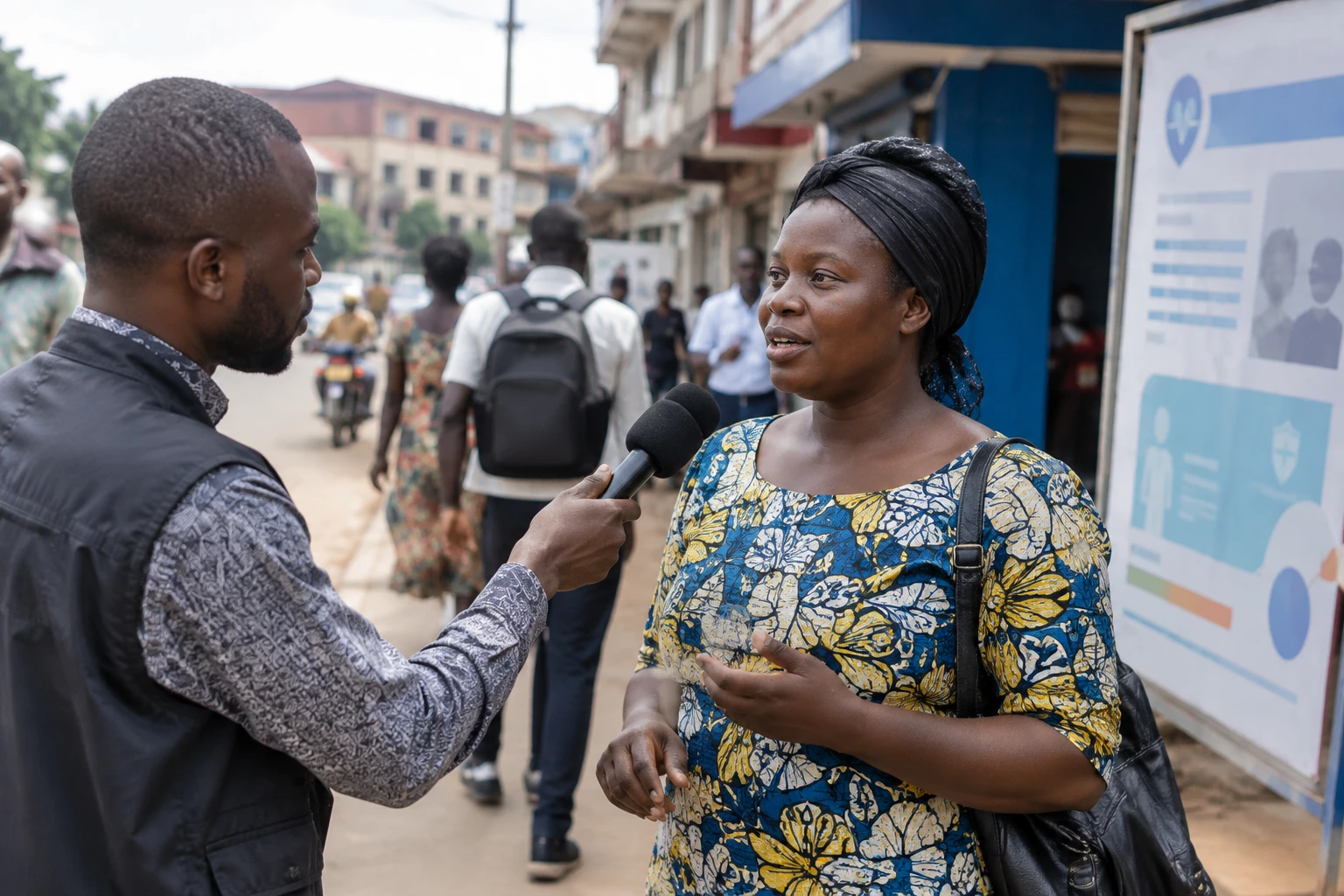
In eastern Democratic Republic of the Congo, the Ebola response can no longer rely solely on protective measures and care. A clinical trial conducted in the country is now set to assess vaccines developed against the Bundibugyo virus, which is responsible for the current outbreak. But these candidates are not yet approved vaccines: their efficacy remains to be demonstrated.
An outbreak spreading beyond provincial borders
Declared on 15 May 2026, the outbreak first affected Ituri, in the country’s north-east. It then spread to several provinces, including North Kivu. It is the 17th Ebola outbreak declared in DR Congo since the virus was identified in the country in 1976. This time, the disease is caused by the Bundibugyo virus, a distinct strain from the one targeted by Ervebo, the vaccine already approved against the Zaire virus. The WHO is monitoring the outbreak in DR Congo and the region.
This distinction is essential. A vaccine effective against one strain does not automatically protect against another. At the end of August, the WHO said the available data did not allow it to conclude that Ervebo provided clinically significant protection against Bundibugyo. Its use in this context was therefore to be within research protocols. The WHO’s guidance on the use of Ervebo thus stresses the need to generate robust data, without presenting the vaccine as a solution already proven against this strain.
The scale of the outbreak makes this research urgent, but figures must be dated. On 31 October, the Associated Press, citing data from the Congolese health ministry, reported 5,026 deaths among 10,351 people infected. Another tally, compiled from data from the Congolese National Public Health Institute as of 28 October, recorded 4,960 confirmed deaths. These figures do not refer to exactly the same date and may not cover the same categories of cases. They should therefore not be conflated. The toll reported on 31 October and the tally as of 28 October provide two distinct reference points.
Tumaini, a trial conducted in DR Congo
On 4 November, the World Health Organization announced that two candidates specifically targeting Bundibugyo had been recommended for inclusion in the Tumaini clinical trial. The first, ChAdOx1, is being developed by the University of Oxford with the Serum Institute of India. The second, mRNA-1469, is being developed by Moderna. Their entry into the trial is still subject to the necessary national approvals.
Tumaini is led by DR Congo’s National Institute of Biomedical Research, with Congolese and international partners, including the University of Antwerp, the WHO, Epicentre, Médecins Sans Frontières and the Africa Centres for Disease Control and Prevention. The Congolese institution’s role is central: the trial is not simply taking place “in Africa”, but is under national leadership in areas affected by the outbreak. The WHO announcement sets out the partners and protocol. The launch of the Tumaini programme and preparations for the two candidates are also reported by the Coalition for Epidemic Preparedness Innovations.
The trial uses “ring vaccination”: under the protocol and applicable ethical rules, teams offer the vaccine under study to contacts of people whose infection has been confirmed. This method targets chains of transmission around cases. It builds on an approach used during the West African outbreak of 2014-2016, which helped establish Ervebo’s efficacy against the Zaire strain. For Bundibugyo, however, the efficacy of the new candidates remains an open question.
The programme is not starting from scratch. A trial of Ervebo is already assessing whether the vaccine could provide protection against Bundibugyo, although this possibility has not been established. According to the WHO, four vaccination rings were in place in early November, while others were being prepared. Initial results from the vaccine trial are expected in early 2027. This is a research deadline, not a promise of immediate availability.
Research does not replace care or trust
For people in affected areas, access to prompt testing, care and clear information also makes a difference. Distances, road conditions, the availability of teams and trust in response efforts can complicate contact tracing. Conditions are not the same in Bunia, Goma or more remote communities. A clinical trial alone cannot overcome these obstacles.
Participation must also be based on informed consent and a clear explanation of what is known — and what is not. The candidates are experimental. Assessing them during an outbreak can speed up the production of useful data, but requires rigorous safety monitoring, ethical conduct and transparent communication with communities. The presence of a national institute leading the study anchors this research in DR Congo’s scientific capacity, rather than reducing the country to a testing ground.
The vaccine is only one part of the response. Surveillance, isolation and treatment of patients, protection for healthcare workers and support for their families remain essential. In parallel, the WHO is supporting the PARTNERS trial of potential treatments. These approaches can complement one another, but none yet makes it possible to declare the outbreak over.
A challenge for Central Africa and beyond
The spread of the virus beyond Ituri makes regional co-ordination a concrete concern. DR Congo shares borders and transport routes with several countries in Central and East Africa. Monitoring movements, sharing health information and ensuring laboratory capacity therefore matter as much as decisions taken in Kinshasa. The WHO has also monitored cases linked to the outbreak in other African countries, underlining that preparedness cannot stop at national borders.
The immediate next step is national approval for the two vaccines to join Tumaini, followed by their assessment among participants. The results expected in early 2027 will show whether these candidates warrant further development. Until then, the priority remains twofold: generate reliable evidence under Congolese leadership and maintain the response capacity that people need now.



