
 Algeria
 Egypt
 Libya
 Morocco
 Sudan
 Tunisia
 Benin
 Burkina Faso
 Cabo Verde
 Côte d'Ivoire
 Ghana
 Guinea
 Guinea-Bissau
 Liberia
 Mali
 Mauritania
 Niger
 Nigeria
 Senegal
 Sierra Leone
 The Gambia
 Togo
 Cameroon
 Central African Republic
 Chad
 Equatorial Guinea
 Gabon
 Republic of the Congo
 São Tomé and Príncipe
 Burundi
 Comoros
 Djibouti
 Eritrea
 Ethiopia
 Kenya
 Madagascar
 Malawi
 Mauritius
 Mozambique
 Rwanda
 Seychelles
 Somalia
 South Sudan
 Tanzania
 Uganda
 Angola
 Botswana
 Eswatini
 Lesotho
 Namibia
 South Africa
 Zambia
 Zimbabwe
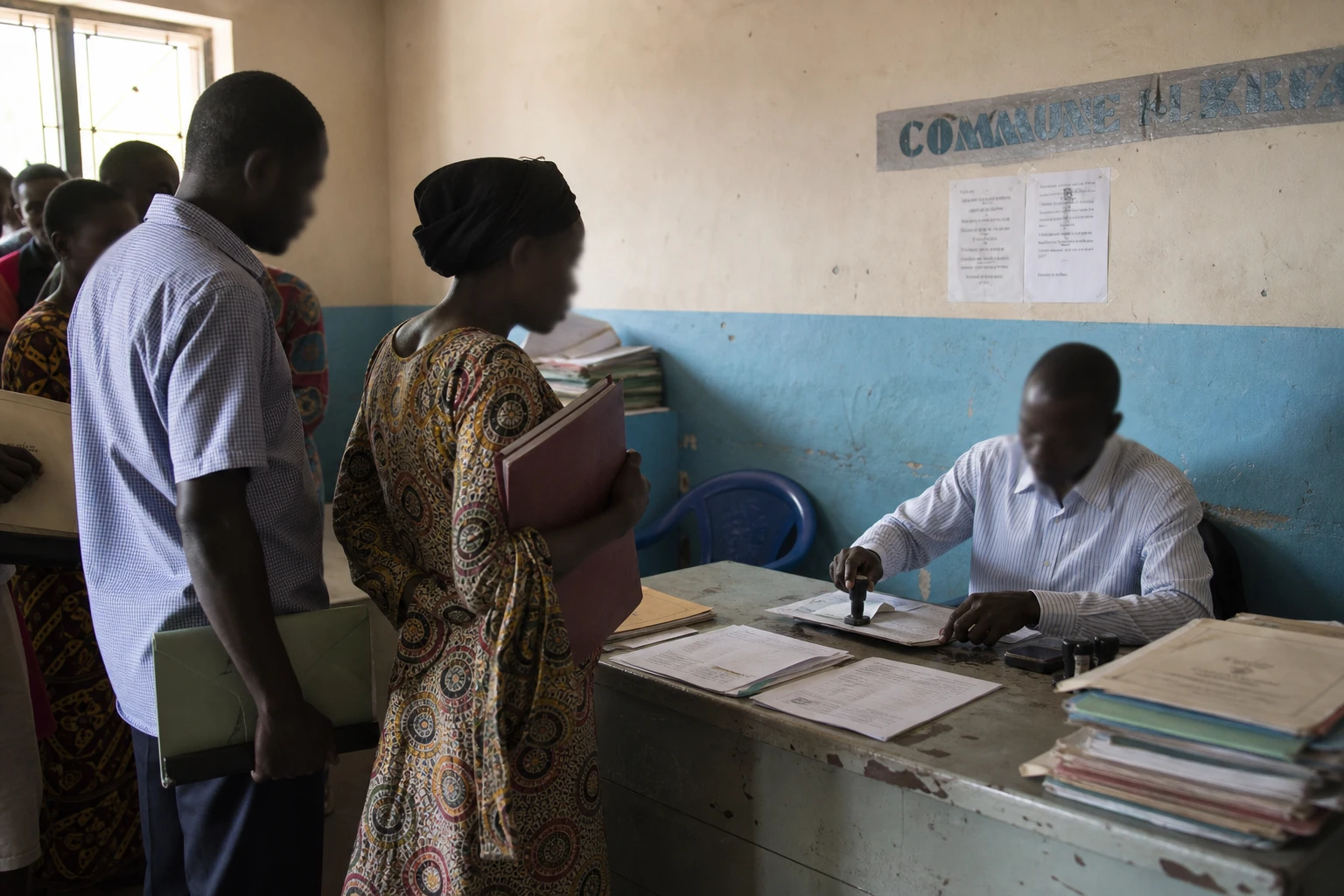
In Bukavu, a neighbourhood fire becomes a school tragedy
In Bukavu, a fire almost never stops at one house going up in flames. Within minutes, it can also destroy a school, livelihoods and the safety of an entire neighbourhood. On Thursday 10 September 2026, the city in South Kivu, in the east of the Democratic Republic of the Congo, was once again reminded of its urban vulnerability.
The blaze hit the Cimpunda neighbourhood, in the commune of Kadutu. According to initial information reported by local authorities and witnesses, the fire is believed to have started in a home before spreading to Ujamaa and Furaha primary schools. Initial reports put the provisional toll at at least 24 dead and 29 injured, all school victims, according to the authorities quoted at the scene.
A city under pressure, with dense neighbourhoods and repeated fires
The Cimpunda tragedy is part of a grim series. Just two days earlier, Bukavu had already been hit by a succession of fires that ravaged homes, businesses and schools in several neighbourhoods. On 4 September, more than 500 pupils from Uhuru Primary School and Fariala Institute were left without classrooms after another fire in Cahi. On 8 September, provincial authorities based in Uvira cited more than 2,500 homes destroyed in Bukavu between July and August.
This recurrence is no coincidence. Bukavu is a very densely populated city, with roads that are sometimes narrow and closely packed buildings that make it difficult for emergency services to get through. Local stakeholders, citizens’ organisations and prevention bodies have repeatedly warned about poor urban planning, faulty electrical connections and the lack of suitable equipment to contain fires quickly. An initiative to train community relays was even launched in July to strengthen prevention, a sign that the risk has become structural.
Against this backdrop, the Cimpunda disaster also exposes unequal vulnerability to danger. For families, a fire means losing their home, school supplies and sometimes the household’s only source of income. For schools, it disrupts the academic calendar and upends the lives of hundreds of pupils. For local authorities, it lays bare a broader challenge: preventing fires, responding to them and then rebuilding in a city where room for manoeuvre remains limited. The injured were taken to several health facilities in Bukavu, which are already under considerable strain.
A warning for South Kivu and urban Africa as a whole
The case of Bukavu goes beyond a single news story. It speaks to rapid urbanisation, the vulnerability of public facilities and child safety in Africa’s growing cities. In eastern DR Congo, security and administrative weaknesses add to this exposure. Since February 2025, Bukavu has been living in an environment profoundly altered by the M23’s capture of the city, amid ongoing regional tensions and repeated UN calls for armed groups to withdraw.
This wider context matters. When institutions are under strain, responses to everyday emergencies become slower, more fragmented and sometimes more improvised. The fires in Bukavu are therefore not simply a result of dry weather or a domestic accident. They also raise questions about urban control, access routes for emergency services, building standards and the protection of schools. In a major Congolese city, children’s safety now depends as much on prevention as on the ability to enforce basic planning rules.
Across the continent, the message is clear: unplanned urban growth comes at a high cost, especially where public services are struggling to keep pace with expanding neighbourhoods. Bukavu is a reminder that a poorly protected school can become the centre of a collective tragedy within minutes. And that in Central Africa, as elsewhere, urban resilience is measured not only by major projects, but also by the ability to save lives in a densely populated neighbourhood at the very moment a fire breaks out.



