Algeria
 Egypt
 Libya
 Morocco
 Sudan
 Tunisia
 Benin
 Burkina Faso
 Cabo Verde
 Côte d'Ivoire
 Ghana
 Guinea
 Guinea-Bissau
 Liberia
 Mali
 Mauritania
 Niger
 Nigeria
 Senegal
 Sierra Leone
 The Gambia
 Togo
 Cameroon
 Central African Republic
 Chad
 DR Congo
 Equatorial Guinea
 Gabon
 Republic of the Congo
 São Tomé and Príncipe
 Burundi
 Comoros
 Djibouti
 Eritrea
 Ethiopia
 Kenya
 Madagascar
 Malawi
 Mauritius
 Mozambique
 Rwanda
 Seychelles
 Somalia
 South Sudan
 Tanzania
 Angola
 Botswana
 Eswatini
 Lesotho
 Namibia
 South Africa
 Zambia
 Zimbabwe
In Kampala, a court case that goes beyond one man
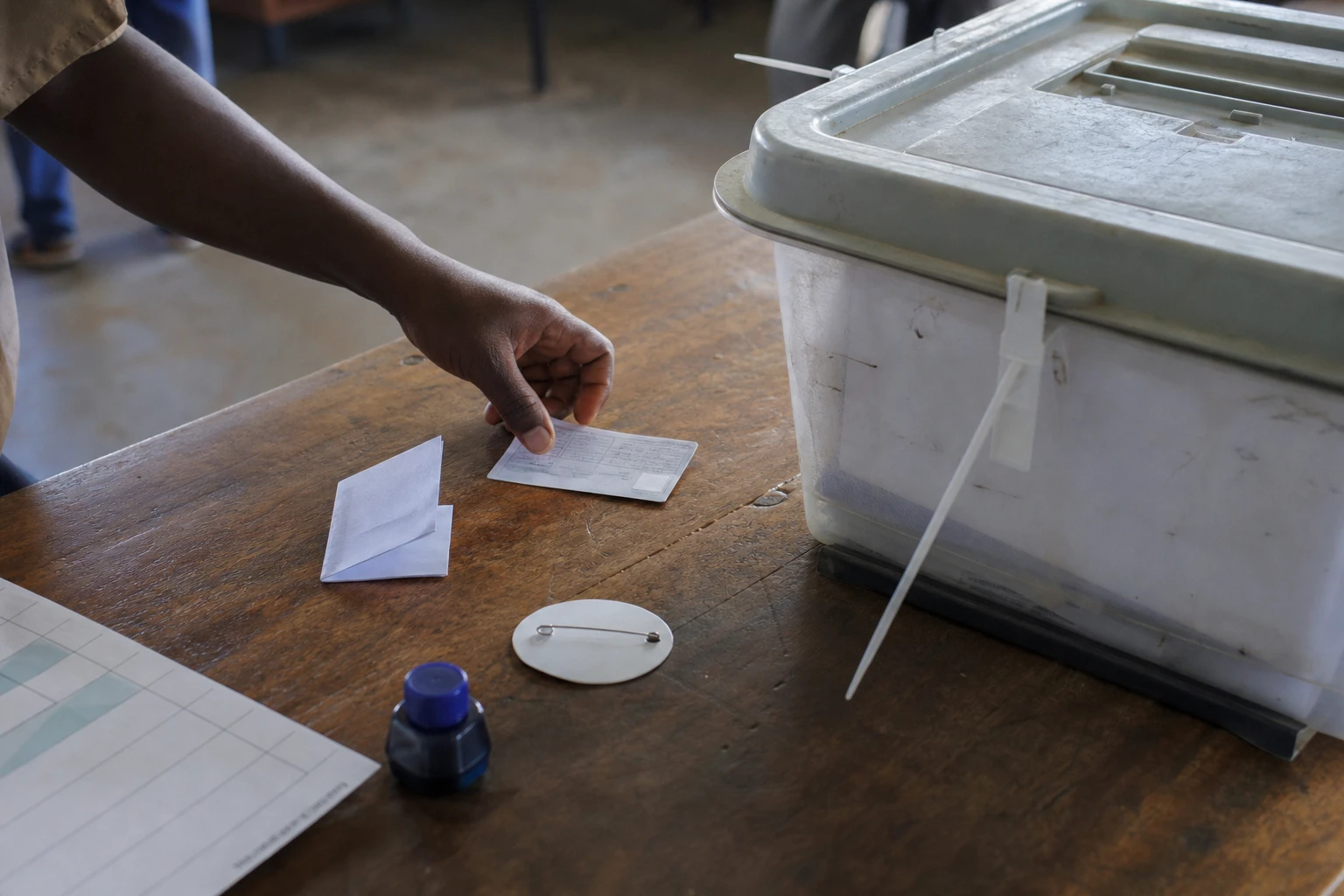
In Uganda, the Kizza Besigye case is no longer confined to the courtroom. It says something broader about the relationship between power, justice and the opposition in a country where political dissent remains under heavy pressure. In the capital, Kampala, the fate of one of the opposition’s best-known figures now rests as much on a hospital bed as on a treason hearing.
This episode comes as Uganda has already seen several institutional stand-offs over the rights of the defence, detention and prosecutions targeting opposition figures. The country is a member of the East African Community, a regional bloc that promotes the free movement of people and integration, but whose internal political crises are often dealt with within national borders.
Kizza Besigye, a former personal doctor to Yoweri Museveni who became his main political rival, was taken to intensive care after collapsing during a hearing on Wednesday 29 July 2026, according to information confirmed by a public hospital in Kampala. His wife, Winnie Byanyima, said he was unconscious. Another hospital source cited by the international press described him as being in a critical condition and unconscious.
The collapse occurred during his treason trial. Besigye had forcefully challenged the appointment of lawyers assigned to him by the Ugandan state. His lawyer, Kato Tumusiime, said the defence had long been seeking appropriate medical treatment, and that the defendant’s condition made it impossible, in his view, for the trial to continue. The judicial authorities, however, kept the proceedings on track.
A medical, judicial and political case all at once
The case began in November 2024. Besigye was arrested in Kenya and forcibly returned to Kampala, according to Amnesty International, before being prosecuted in Uganda. The human rights organisation describes his detention as prolonged and arbitrary and says he urgently needs specialist medical care. It also notes that he has been held for well beyond the constitutional 48-hour limit.
Since then, his legal proceedings have been marked by adjournments, rejected requests and challenges by the defence. In June and July 2026, several High Court rulings allowed the trial to continue. The court rejected applications seeking to suspend the hearing or have certain constitutional questions considered before the merits of the case. On 13 July 2026, the start of the trial was confirmed.
This timeline matters because it sheds light on what is really at stake in the case. For the authorities, it remains an ordinary criminal case against an opposition figure accused of treason, alongside a civilian co-defendant and an army officer. For the defence and its supporters, it looks more like a campaign of political neutralisation, marked by restrictions on access to lawyers, questions over the place of detention and the defendant’s health. Both interpretations coexist, but they do not carry the same weight on the political stage or in Ugandan public opinion.
Besigye’s health adds a new dimension. In early 2025, Winnie Byanyima had already denounced “inhumane” detention conditions in a “tiny and overcrowded” cell. Since then, the issue has been not only whether the trial is being conducted properly. It is also whether the state can ensure medical treatment for a high-profile detainee in a case where every incident fuels suspicion.
In Uganda, the case has several layers. For the executive, it tests the credibility of a justice system able to bring a highly politicised trial to a conclusion without sliding into perceived arbitrariness. For the opposition, it has become a symbol of both resistance and vulnerability. For ordinary Ugandans, it is above all a reminder that an institutional conflict can quickly turn into a human crisis, with very real consequences for families, lawyers, public hospital services and trust in the courts.
What Kampala, Nairobi and the region are watching
The case’s significance extends beyond Uganda. Its Kenyan origins, with Besigye’s arrest in Nairobi before his forced return to Uganda, also raise a regional question about security and judicial cooperation between East African states. In a region where economic borders are opening up, the movement of opposition figures is still often handled through security logic.
The case also highlights how few visible levers regional organisations, including the East African Community, have when a conflict pits an incumbent government against a national opposition figure. In Kampala, the next question is straightforward: whether Besigye will be able to return to the proceedings, whether doctors consider him fit to appear, and whether the court will stay its course or grant a pause. Each answer will shape not only the next stage of the trial, but also the political reading of the moment in Uganda.