Algeria
 Egypt
 Libya
 Morocco
 Sudan
 Tunisia
 Benin
 Burkina Faso
 Cabo Verde
 Côte d'Ivoire
 Ghana
 Guinea
 Guinea-Bissau
 Liberia
 Mali
 Mauritania
 Niger
 Nigeria
 Senegal
 Sierra Leone
 The Gambia
 Togo
 Cameroon
 Central African Republic
 Chad
 DR Congo
 Equatorial Guinea
 Gabon
 Republic of the Congo
 São Tomé and Príncipe
 Burundi
 Comoros
 Djibouti
 Eritrea
 Ethiopia
 Kenya
 Madagascar
 Malawi
 Mauritius
 Mozambique
 Seychelles
 Somalia
 South Sudan
 Tanzania
 Uganda
 Angola
 Botswana
 Eswatini
 Lesotho
 Namibia
 South Africa
 Zambia
 Zimbabwe
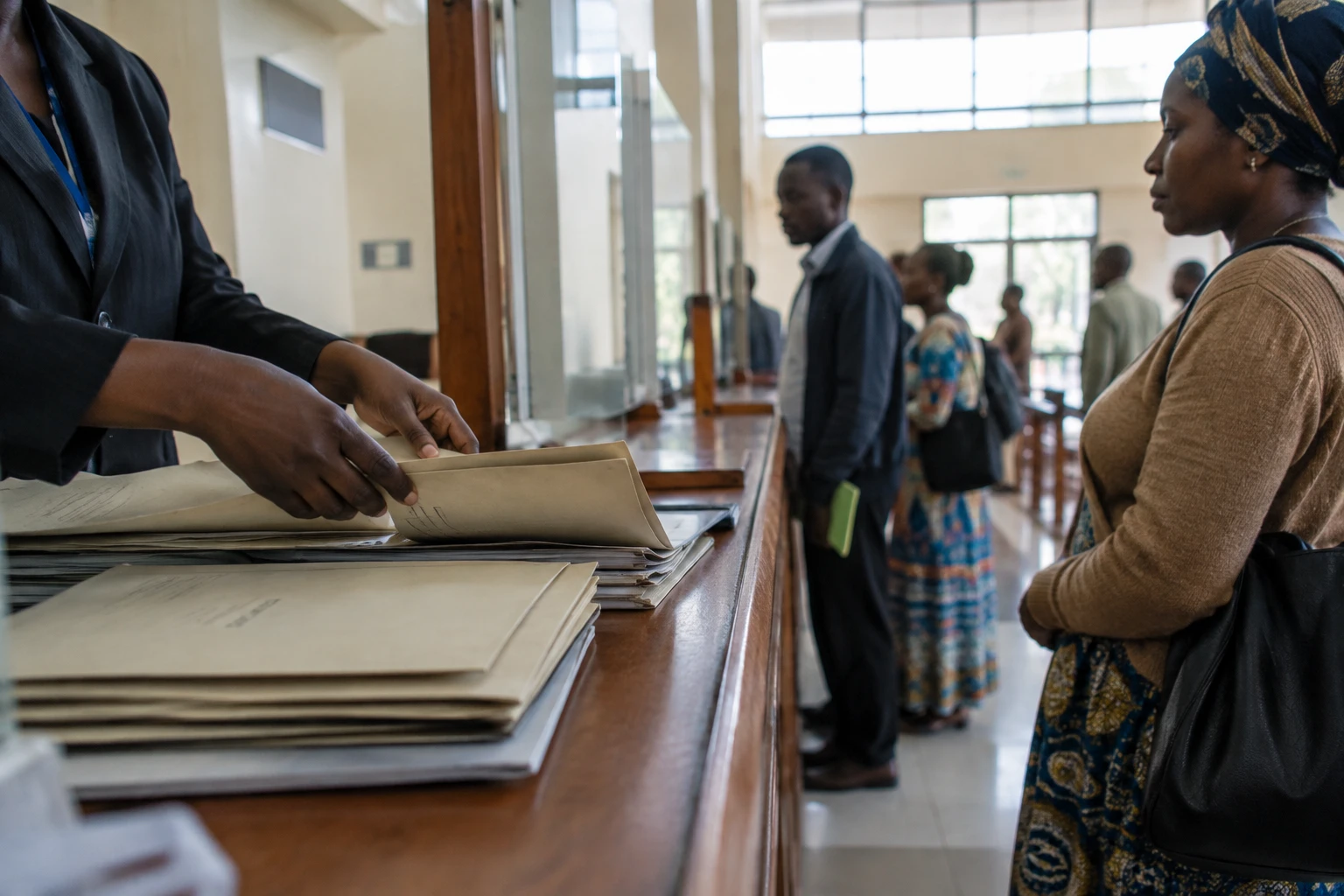
Paul Barril’s death does not close the questions raised by his activities in Rwanda in 1994. It also highlights a persistent difficulty: establishing, decades after the genocide against the Tutsi, the responsibility of foreign nationals suspected of having contributed to the interim government’s military effort.
French investigation into links with the 1994 authorities
Paul Barril died on Tuesday 20 October 2026, aged 80, according to reports published the following day and confirmation attributed to the GIGN, the French gendarmerie’s intervention unit that he helped to create. A former officer, he later worked in private security and pursued numerous activities in Africa.
The Rwandan aspect concerns, in particular, a contract signed on 28 May 1994 between his company and the Rwandan interim government, then led by Jean Kambanda. Human rights organisations brought the matter before the French courts in 2013, arguing that the acts could constitute complicity in genocide and crimes against humanity. A complaint opens proceedings: it is neither a final indictment nor a finding of guilt.
The contract cited by the organisations provided for human and material assistance, including weapons and ammunition. Its value was estimated at $3.13 million. The French parliamentary fact-finding mission on Rwanda and press investigations also documented Barril’s links with Rwandan officials and efforts relating to arms contracts. However, the precise circumstances, the fulfilment of the contract and the nature of individual responsibility have been disputed and examined in separate proceedings.
In spring 2020, Barril was questioned by a French judge as part of the investigation into his activities in Rwanda, according to available reports. He is said to have acknowledged travelling to the country in May 1994, while presenting the trip as an investigation into the 6 April attack on President Juvénal Habyarimana’s aircraft. This is his account; it does not resolve the questions raised by the complainants.
Rwanda in 1994 and responsibility under debate
After the 6 April 1994 attack, the genocide against the Tutsi was organised and carried out in Rwanda. In about 100 days, some 800,000 people were killed, mainly Tutsi, but also Hutu who opposed the massacres. The violence was perpetrated by authorities, armed forces and militias, while the Rwandan Patriotic Front advanced across the country and brought the genocide to an end in July.
The interim government was seeking military resources at a time when the United Nations Security Council had imposed an arms embargo on Rwanda. This timeline makes the alleged contracts particularly sensitive. It also requires a distinction between established facts, documents submitted to investigations and allegations that remain to be proved.
The French National Assembly’s fact-finding mission examined relations between Barril, Rwandan officials and commercial intermediaries. Organisations including the International Federation for Human Rights, the French League of Human Rights and Survie, for their part, argued that the supply of equipment or assistance should be examined in light of the genocide. These actors have neither the same mandate nor the same position: their analyses shed light on the case, but do not replace a judicial ruling.
For Rwandans, the issue goes beyond the career of a former French gendarme. It concerns the recognition of responsibility, the memory of victims and the ways in which foreign networks may have intervened during the genocide. In Kigali, as in the parts of the country where communities were directly affected, debates about this period remain bound up with justice and the rebuilding of trust.
A controversial career in France
Before his private-sector activities, Barril became known through his work at the GIGN, founded in 1974, and later in the circle around the Élysée’s anti-terrorism unit. His career was also linked to several French controversies. In 2004, he was given a six-month suspended prison sentence and fined €5,000 in the case of illegal wiretapping at the Élysée.
These precedents do not prove the accusations relating to Rwanda. They do, however, help explain why his death has attracted interest beyond his time in an elite unit: Barril moved at the intersection of security services, political power and private activities, at a time when the boundaries between these spheres were regularly questioned.
Implications beyond Kigali and Paris
The case forms part of a regional history shaped by the consequences of the genocide and population displacement in the Great Lakes region. Rwanda is now a member of the East African Community, which brings together several neighbouring countries around economic and political integration objectives. But regional integration does not dissolve questions of justice: investigations into crimes committed in 1994 also fall within the remit of national courts and international mechanisms.
At continental level, the case highlights the limits of efforts to tackle international crimes when suspects die before proceedings reach a conclusion. It also raises a broader question about oversight of arms sales, private security companies and transnational intermediaries during conflict. These issues concern African states and their foreign partners alike.
Barril’s death therefore does not, by itself, allow any conclusion to be drawn about the acts of which he was accused. Publicly available material describes contracts and relationships examined by investigators, while the complainant organisations put forward their interpretation of the case. What happens next will depend on what the proceedings established, access to archives and the ability of the courts to clarify responsibility without conflating suspicion, evidence and judgement.