Algeria
 Egypt
 Libya
 Morocco
 Sudan
 Tunisia
 Benin
 Burkina Faso
 Cabo Verde
 Côte d'Ivoire
 Ghana
 Guinea
 Guinea-Bissau
 Liberia
 Mali
 Mauritania
 Niger
 Nigeria
 Senegal
 Sierra Leone
 The Gambia
 Togo
 Cameroon
 Central African Republic
 Chad
 DR Congo
 Equatorial Guinea
 Gabon
 Republic of the Congo
 São Tomé and Príncipe
 Burundi
 Comoros
 Djibouti
 Eritrea
 Ethiopia
 Kenya
 Madagascar
 Malawi
 Mauritius
 Mozambique
 Seychelles
 Somalia
 South Sudan
 Tanzania
 Uganda
 Angola
 Botswana
 Eswatini
 Lesotho
 Namibia
 South Africa
 Zambia
 Zimbabwe
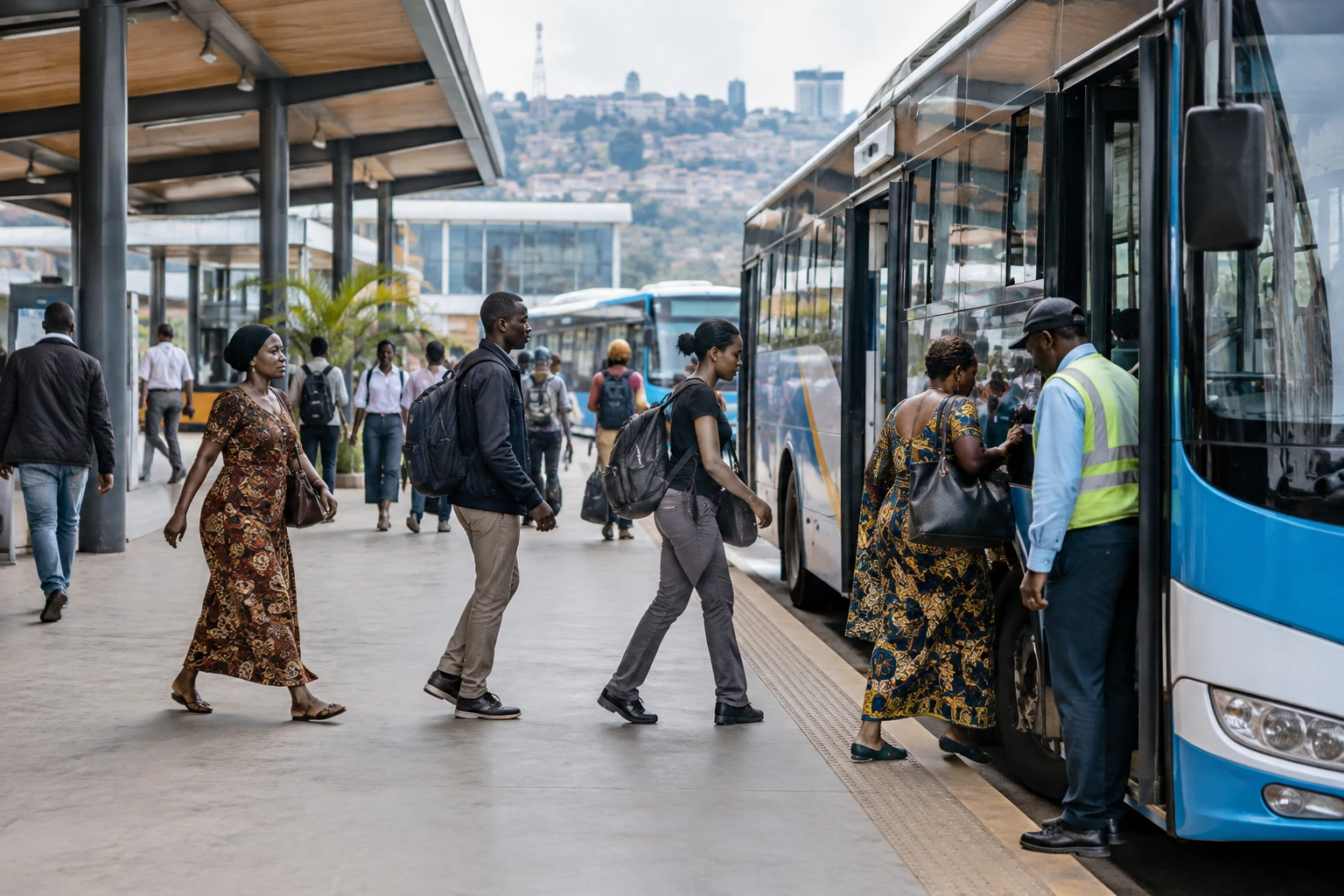
In Phnom Penh, the choice of the next secretary-general of the International Organisation of La Francophonie (OIF) goes beyond the succession of a leader. It puts the place of African states in a global organisation, the search for consensus and tensions between Kigali and Kinshasa at stake. Two days before the vote, Rwanda is standing by its candidate, Louise Mushikiwabo.
A vote at the heart of regional tensions
The 20th Francophonie Summit is taking place from 14 to 16 November 2026 in the Cambodian capital. The OIF brings together 90 states and governments: 53 full members, who will vote for the next secretary-general, as well as associate members and observers. The election, scheduled for 16 November, will select the person who will lead the organisation for the 2027-2030 period.
The contest is unfolding against a backdrop of already strained relations between Rwanda and the Democratic Republic of the Congo (DRC). The two neighbouring countries are at odds, in particular, over the crisis in eastern Congo. Kinshasa accuses Kigali of supporting the M23, which the Rwandan government denies. This diplomatic confrontation is now weighing on an election that is supposed to concern the entire Francophone world.
The institutional context also matters. For the first time, the OIF is fully applying a reformed procedure: candidacies were submitted in advance and then presented to ministers at formal hearings. The rules first provide for the search for consensus. If states cannot reach one, heads of state and government may hold a vote.
Kigali stands by Mushikiwabo’s candidacy
On 14 November, Louise Mushikiwabo said she would remain a “candidate to the end”. The Rwandan is seeking a third four-year term. Rwanda’s foreign minister, Olivier Nduhungirehe, also confirmed that Kigali would not withdraw its candidacy.
The statement followed press reports that Emmanuel Macron had asked Rwandan President Paul Kagame to withdraw the candidacy. The reported request was intended to facilitate a compromise around Romania’s Dacian Cioloș. Details of this diplomatic exchange have been reported by media outlets, but are not publicly documented in an official French statement. It is therefore necessary to distinguish the alleged request from Rwanda’s publicly confirmed position.
Olivier Nduhungirehe defends the right of every full member to put forward a candidate. In his view, no capital can force another to withdraw. Rwanda’s foreign ministry argues that, in the absence of agreement, the organisation’s rules provide for an election. Louise Mushikiwabo has also presented the choice of her candidacy as a decision by Rwanda.
The DRC, for its part, announced the withdrawal of its candidate, Juliana Amato Lumumba, and its support for Dacian Cioloș, with the stated aim of promoting a consensus candidate. Three other candidates were initially in the running: Mushikiwabo, Mauritania’s Coumba Bâ and the former Romanian prime minister. Kinshasa’s position therefore changes the balance of the vote, without guaranteeing the outcome on its own.
Consensus, between rules and power politics
The search for consensus has long been a diplomatic practice at the OIF. The reformed procedure now gives it a formal framework, with a call for candidates, hearings and the possibility of a vote. The stakes are concrete: to preserve a decision accepted by members without turning consensus into a deal negotiated by a handful of influential governments.
The dispute over French pressure has brought this question back to the fore. Paris supported Mushikiwabo’s candidacy in her first election, in 2018. Kigali now presents the reported request to withdraw as interference. In Kinshasa, government spokesman Patrick Muyaya, by contrast, points to France’s past role and disputes Rwanda’s claim to speak on behalf of Africa. These arguments are political positions attributed to their authors, not a shared assessment.
France retains considerable institutional and financial influence. According to the Associated Press, it is the largest contributor to the OIF’s 2026 budget, estimated at €71.7 million. This weight does not amount to a greater decision-making right: each of the 53 full members has one vote in choosing the secretary-general. But it fuels questions about the balance between the influence of major contributors and the formal equality of states.
For governments, the result will affect diplomatic relations and the OIF’s ability to speak with one voice. For the public, the issue is less the name at the head of the organisation than the priorities it will champion: educational and cultural cooperation, the promotion of French and other languages, democratic governance and peace. A crisis of confidence between states could push these issues down the agenda.
An African dimension, but not only
Africa has a central place in the OIF, but La Francophonie is not an African organisation: its members are spread across five continents. The decision taken in Cambodia therefore concerns partners from different regions. It also comes after Mali, Niger and Burkina Faso announced their withdrawal in 2025, following their suspension from the organisation. These departures are a reminder that the OIF’s legitimacy depends on how its members view its rules and impartiality.
For Rwanda, the episode is a test of multilateral diplomacy: Kigali is defending its right to maintain a national candidacy despite reported pressure. For the DRC, the withdrawal of Juliana Lumumba is a strategic diplomatic choice, as Kinshasa has threatened to reassess its participation if Mushikiwabo is re-elected. These are decisions by the authorities; they do not sum up the expectations of Rwandans or Congolese people.
The next milestone is the 16 November vote in Phnom Penh. It will show whether heads of state and government can agree on a name or will have to decide between the candidates by ballot. Either way, the process will test the OIF’s ability to uphold a shared procedure while its members defend sometimes conflicting interests and visions.