Algeria
 Egypt
 Libya
 Morocco
 Sudan
 Tunisia
 Benin
 Burkina Faso
 Cabo Verde
 Côte d'Ivoire
 Ghana
 Guinea
 Guinea-Bissau
 Liberia
 Mali
 Mauritania
 Niger
 Nigeria
 Senegal
 Sierra Leone
 The Gambia
 Togo
 Cameroon
 Chad
 DR Congo
 Equatorial Guinea
 Gabon
 Republic of the Congo
 São Tomé and Príncipe
 Burundi
 Comoros
 Djibouti
 Eritrea
 Ethiopia
 Kenya
 Madagascar
 Malawi
 Mauritius
 Mozambique
 Rwanda
 Seychelles
 Somalia
 South Sudan
 Tanzania
 Uganda
 Angola
 Botswana
 Eswatini
 Lesotho
 Namibia
 South Africa
 Zambia
 Zimbabwe
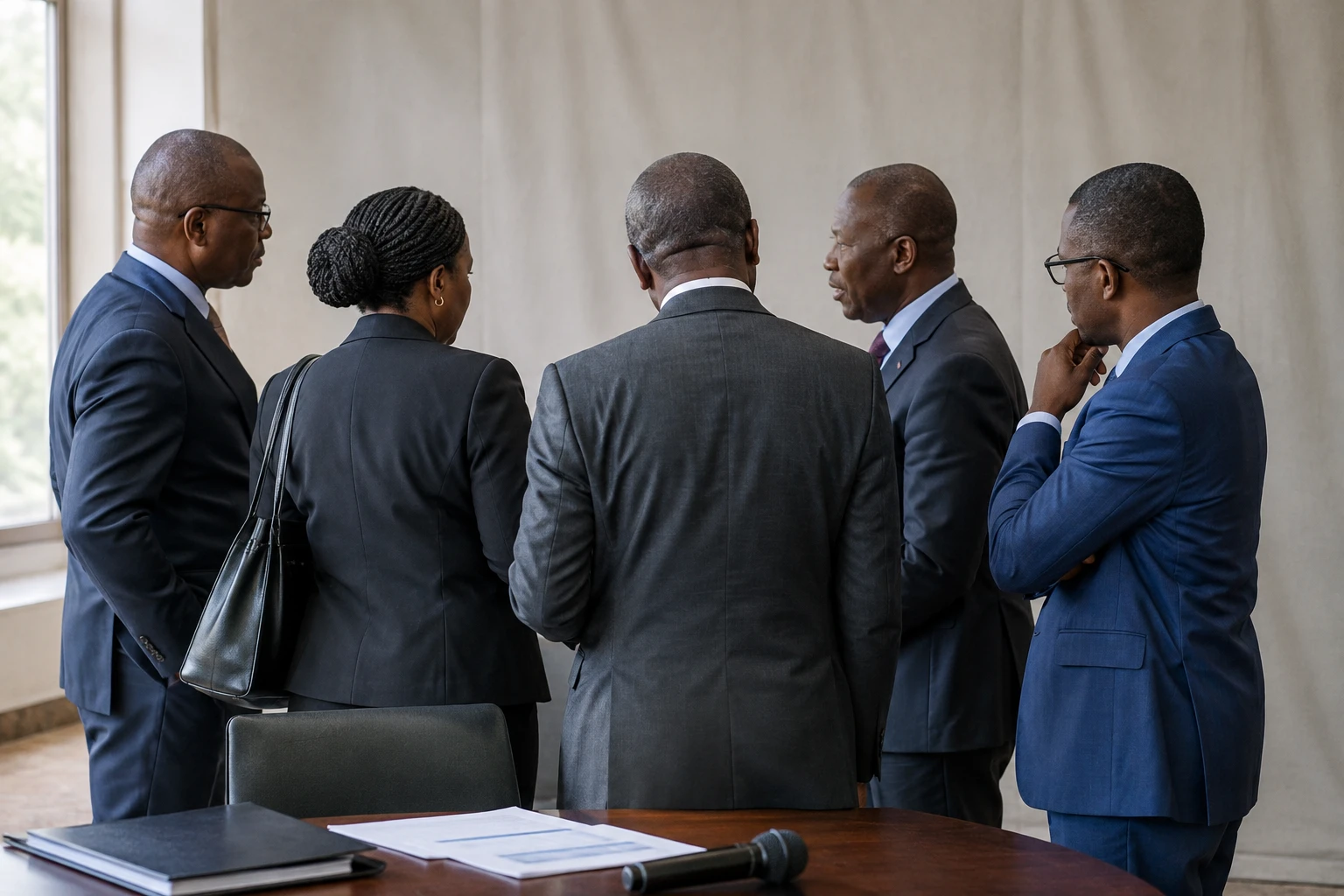
In Bangui, the rise in fuel prices is about more than the amount displayed at the pump. It pushes up travel and operating costs, while the protest movement now faces a government ban. The march announced for Friday 13 November therefore brings two questions to the fore: purchasing power and the space afforded to the opposition in public life.
A rise that affects more than motorists
On 1 October 2026, the Central African government raised the prices of petroleum products. For private consumers, a litre of petrol rose from 1,050 to 1,150 CFA francs, and diesel from 1,250 to 1,400 CFA francs, according to Radio Ndeke Luka. The radio station also reports separate prices for large consumers. These figures provide a concrete measure of the change, but are not enough to describe its impact on the economy as a whole.
In Bangui, fuel contributes to the cost of daily journeys and transporting goods. When its price rises, drivers and traders may pass some of the extra cost on through their fares and prices. Households reliant on transport or small incomes are then affected differently from those with access to vehicles or supply contracts. The consequences outside the capital also merit attention: distances and access to goods vary across regions.
The debate is therefore about prices, but also about how economic decisions are made and explained. The rise was announced by the minister responsible for energy at a meeting with trade union organisations, Radio Ndeke Luka reports. The radio station also notes that the decision comes as parliament is due to examine the 2027 state budget.
March banned, demands maintained
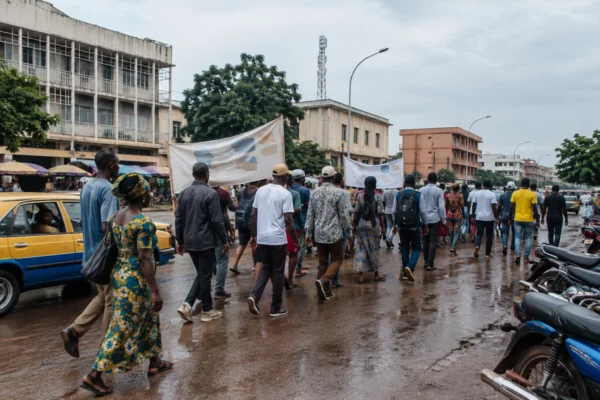
The Republican Bloc for the Defence of the Constitution (BRDC), an opposition platform, had called a demonstration in Bangui on 13 November against the rise in fuel prices. Government spokesman Évariste Ngamana announced on 7 November that the march was illegal. According to Radio Ndeke Luka’s report, carried by several media outlets, the executive is challenging, in particular, the BRDC’s legal capacity to organise a public demonstration.
Ngamana also attacked the platform’s political legitimacy. He accuses it of defending the 2016 Constitution, which was replaced by a new text promulgated in August 2023. This constitutional reference can be verified in the Central African Republic’s official gazette. However, it does not, on its own, settle the question of whether a march may be authorised or the right to freedom of assembly. The government’s stated justification must therefore be distinguished from the political debate over the text defended by the BRDC.
The platform intends to maintain its call. It links a reduction in pump prices to the release of civil society leaders detained after a “dead city” day called for 12 October. Radio Ndeke Luka reports that the protest prompted differing positions among Central African actors. The public prosecutor’s office, according to Radio Lengo Songo, announced the opening of an investigation into those who initiated the call. The available information does not make it possible to independently establish the current legal status of each person concerned; their detention and the calls for their release should therefore remain attributed to those making them.
The right to demonstrate at the heart of the standoff
The government decision turns a protest over the cost of living into a debate about the rules governing demonstrations. The executive cites the illegality of the organisers; the BRDC highlights social demands and the situation of detained activists. For residents, the immediate issue is also practical: will the march go ahead, will it be prevented, and will the authorities open up a space for discussion about prices?
This confrontation is part of a political trajectory marked by the replacement of the 2016 Constitution with the 2023 Constitution. The change of text is an institutional fact; its political interpretations remain disputed. By recalling this break, the government challenges the framework claimed by the BRDC. But disagreement over the Constitution does not answer questions about prices, supplies or the treatment of those arrested.
The public response will weigh on different groups. Drivers and sellers may feel cost fluctuations quickly. Households must weigh transport expenses against other purchases. Political leaders, meanwhile, assess the cost of a ban as well as that of a demonstration. A ban may prevent a gathering in the short term; it does not make the economic reasons for the protest disappear.
A national issue in an integrated regional space
The Central African Republic is a member of the Economic and Monetary Community of Central Africa (CEMAC), which brings together six states for economic and monetary cooperation. This membership does not mean that Central African prices are the same as those in neighbouring countries: pricing decisions and supply conditions remain national. It does, however, serve as a reminder that fuel, trade and transport costs are part of regional networks.
For Bangui, other cities and rural areas, the next developments to watch are whether the 13 November march takes place, how supplies evolve and whether any measures on prices are announced. The progress of proceedings against those responsible for the “dead city” day will also matter. These decisions will show whether the crisis remains a face-off between the government and opposition, or whether the authorities also respond to the everyday concerns expressed by Central Africans.