Algeria
 Egypt
 Libya
 Morocco
 Sudan
 Tunisia
 Benin
 Burkina Faso
 Cabo Verde
 Côte d'Ivoire
 Ghana
 Guinea
 Guinea-Bissau
 Liberia
 Mali
 Mauritania
 Niger
 Nigeria
 Senegal
 Sierra Leone
 The Gambia
 Togo
 Cameroon
 Chad
 DR Congo
 Equatorial Guinea
 Gabon
 Republic of the Congo
 São Tomé and Príncipe
 Burundi
 Comoros
 Djibouti
 Eritrea
 Ethiopia
 Kenya
 Madagascar
 Malawi
 Mauritius
 Mozambique
 Rwanda
 Seychelles
 Somalia
 South Sudan
 Tanzania
 Uganda
 Angola
 Botswana
 Eswatini
 Lesotho
 Namibia
 South Africa
 Zambia
 Zimbabwe
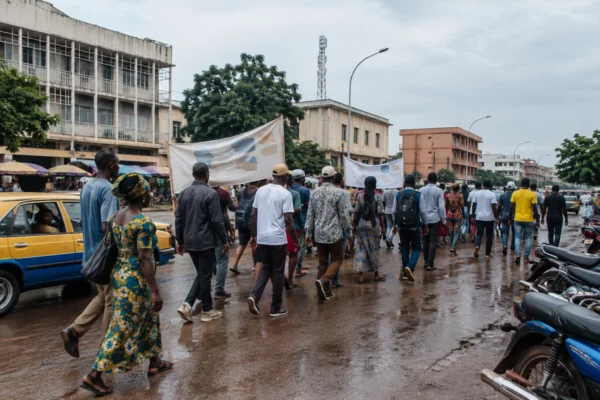
In Bangui, a few litres of petrol can determine whether a taxi runs, a student gets to class or goods reach the market. When pumps run dry, the crisis quickly extends beyond motorists: it affects incomes, travel and the cost of living.
A vulnerable supply chain
The Central African Republic is a landlocked country. Most of its fuel supply depends on regional transit routes, notably the road corridor between Douala, Cameroon, and Bangui, as well as river transport on the Oubangui. The World Bank estimated in June 2025 that river transport structurally accounted for 80 to 85% of fuel imports. Disruptions to these routes can therefore be felt as far away as the capital’s filling stations.
This dependence affects the entire country, but the impact varies. In Bangui, shortages reduce the availability of taxis and motorbikes. In inland towns and rural areas, where distances are longer and transport options may be fewer, higher delivery costs can also push up the prices of goods sold in markets.
Journeys become harder to afford
In the situation reported in Bangui, supply difficulties have lasted for several weeks. Queues are forming outside some filling stations, while vehicles and motorbikes remain idle. One taxi driver quoted in the accounts says he was unable to work for ten days. With no petrol available at the pump, he says he turned to the informal market, whose quality he questions.
The shortage of petrol is also making journeys more expensive. One student says a regular trip that used to cost 250 CFA francs now costs as much as 650 francs. He estimates that a return journey can cost around 1,500 francs. These are individual accounts, not an official fare applicable across the city. They nevertheless illustrate the immediate pressure on students and households reliant on public transport or motorcycle taxis.
Market sellers and buyers are also feeling the effects of the crisis. When transport costs more or is less readily available, supplies to market stalls can slow and traders may pass on some of the extra costs in their prices. One consumer quoted in the accounts says her salary is no longer enough to absorb the increases. However, without independent data for each product, it is not possible here to measure the overall scale of food inflation.
Logistical difficulties, but little visibility
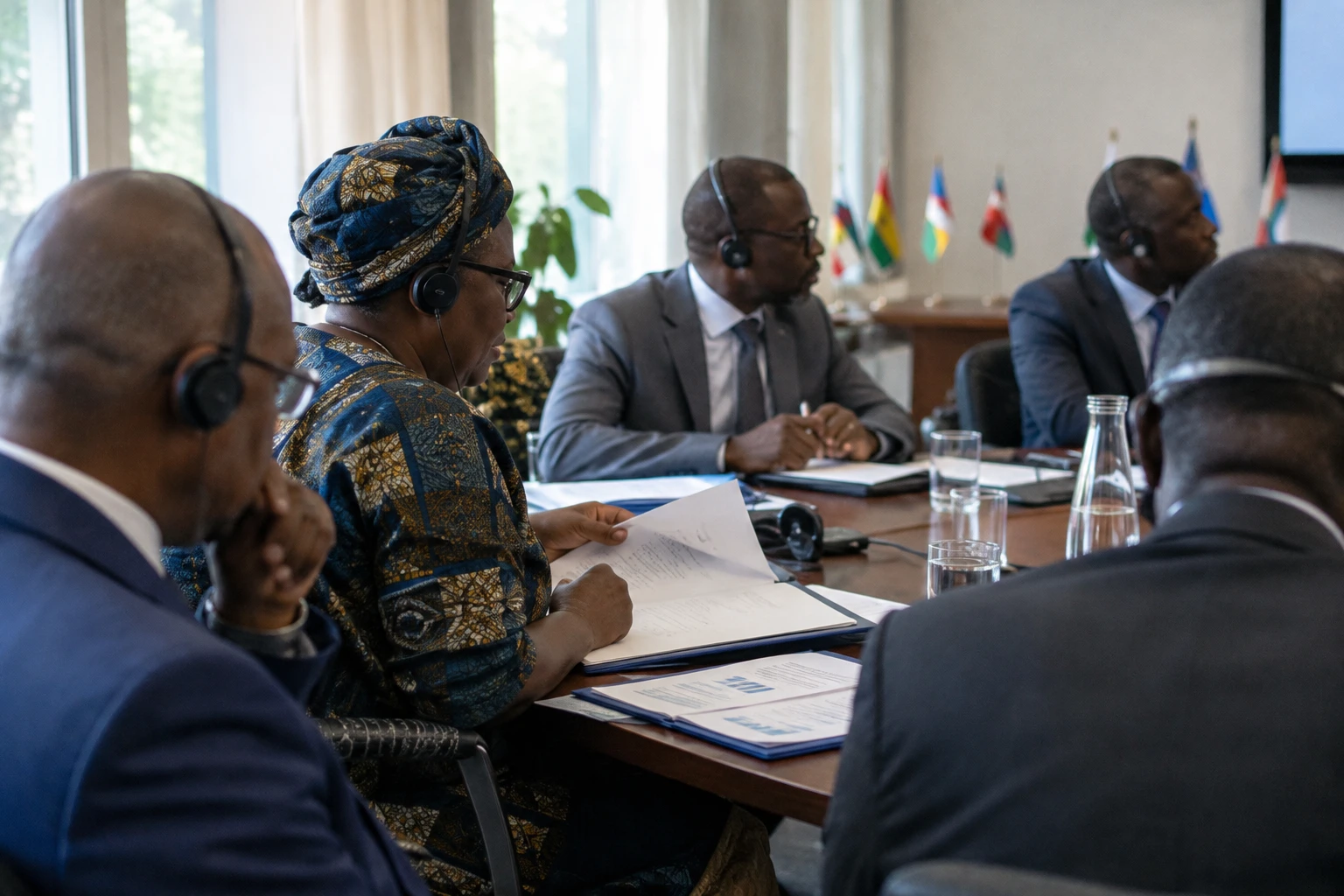
Central African authorities say fuel is available and attribute the delays to logistical difficulties with distribution. They have promised a swift return to normal. For users, the practical question is whether fuel is actually available at each station and whether deliveries are regular. Without a public timetable or precise data on stocks and volumes distributed, it is difficult to assess when the queues will ease.
The crisis is not unprecedented in the sector. In April 2025, Radio Ndeke Luka had already reported sales restrictions and disruptions to urban transport in Bangui. In August that year, the outlet reported fresh queues and station closures, while the government spokesperson disputed the term “crisis” and referred to a limited supply problem. These episodes show that tensions are recurring, but do not establish that they have the same cause as the current situation.
The regional context also matters. The Central African Republic is a member of CEMAC, the Economic and Monetary Community of Central Africa, which brings together six countries that share, among other things, the Central African CFA franc. But the existence of a regional market does not remove the constraints facing a landlocked country: ports, roads, river routes and storage capacity determine the continuity of supply.
Regular deliveries, an economic and social issue
For drivers, a few days without petrol means lost earnings and difficulty covering household expenses. For students and salaried workers, higher travel costs can mean fewer journeys or having to choose between transport and other expenses. Small traders, who rarely have large margins, are also exposed to additional transport and delivery costs.
The informal market can respond quickly to demand that filling stations cannot meet. But it can also make prices less transparent and product quality uncertain, as the accounts collected point out. The response therefore cannot be measured simply by whether a consignment arrives: it also depends on its distribution to the pumps and users’ access to a regular supply.
The World Bank noted that increased use of the Douala-Bangui road corridor had helped ease supply difficulties in late 2024, following disruptions to river imports. This alternative demonstrates an ability to adapt, but does not eliminate vulnerability to delays and transport costs.
In the coming days, the key indicators will be the return of fuel to filling stations, shorter waiting times and stabilising travel fares. In the longer term, recurring shortages raise a question of regional resilience: how can multiple supply routes be secured and stocks better distributed, so that a logistical delay does not become another burden on households in Bangui?