Algeria
 Egypt
 Libya
 Morocco
 Sudan
 Tunisia
 Benin
 Burkina Faso
 Cabo Verde
 Côte d'Ivoire
 Ghana
 Guinea
 Guinea-Bissau
 Liberia
 Mali
 Mauritania
 Niger
 Nigeria
 Senegal
 Sierra Leone
 The Gambia
 Togo
 Cameroon
 Central African Republic
 Chad
 DR Congo
 Equatorial Guinea
 Gabon
 Republic of the Congo
 São Tomé and Príncipe
 Burundi
 Comoros
 Djibouti
 Eritrea
 Ethiopia
 Kenya
 Madagascar
 Malawi
 Mauritius
 Mozambique
 Rwanda
 Seychelles
 Somalia
 South Sudan
 Tanzania
 Uganda
 Angola
 Botswana
 Eswatini
 Lesotho
 Namibia
 South Africa
 Zambia
 Zimbabwe
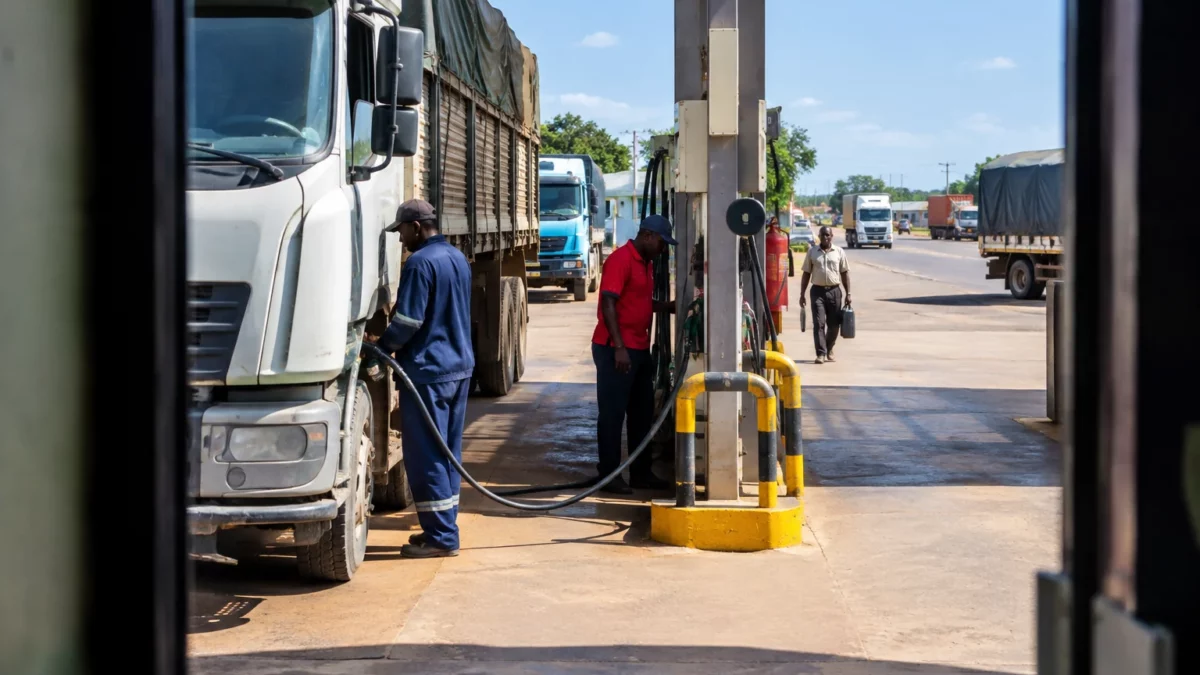
For a fleet crossing several borders, a journey is often financed before the goods have even been delivered. Fuel, tolls and border-crossing fees weigh on cash flow along the way. Apis Partners’ acquisition of Korridor highlights this constraint and the growing role of financial services in regional logistics.
A payments network already established along trade corridors
On 23 November 2026, Apis Partners announced that it had acquired a majority stake in Korridor, a company based in Mauritius. The value of the deal and the exact share of the capital acquired were not made public. A separate report by African technology publication ITWeb Africa confirmed the investment and its aim: to expand the financial services offered to transporters.
Founded in 2007, Korridor combines a digital platform with a physical network operating in 13 sub-Saharan African countries. The company says it works with more than 2,200 clients and nearly 50,000 trucks, through more than 360 service points. Transporters use it to arrange and track payments for fuel, tolls, border fees, parking and insurance, in several currencies.
These figures come from the company and were repeated in announcements about the deal. They describe an existing infrastructure, but do not provide information on how clients are distributed across countries or on the volume of payments processed. Apis, a UK investment firm specialising in financial services, plans to use this client base to expand its offering to include payments, credit and insurance.
From tracking expenses to financing a journey
The proposed change lies in the difference between managing an expense and being able to finance it. The platform already helps operators manage a series of payments. But costs often arise before payment for the transport is received. Korridor’s published commercial terms require client accounts to be funded to cover orders; advances may be granted at the company’s discretion.
For small fleets and independent transporters, this cash-flow advance can limit the number of journeys they can make. A credit offer could narrow that gap, provided funds are available at the right time and in the right currency. It does not, however, in itself guarantee cheaper financing or access for businesses with few assets to offer as security.
Apis has disclosed no launch timetable or eligibility criteria, interest rates, limits or security requirements. These parameters will determine the project’s practical value. Fast but costly credit could eat into margins. Conversely, lengthy procedures may not meet expenses that arise during a journey.
A constraint that extends beyond road transport
The financial context matters. In its report published in May 2026, the African Development Bank said that 36% of banks surveyed cited a lack of foreign-currency liquidity as the main constraint on the growth of their trade-finance activities between 2020 and 2024. This figure relates to trade broadly, not specifically to road transporters. It nevertheless highlights the difficulty of mobilising foreign currency for cross-border operations.
Freight financing also takes place in a fragmented regional environment. Trucks travel along corridors linking ports, capitals and inland markets, while payments and formalities vary from country to country. The African Continental Free Trade Area (AfCFTA), which aims to facilitate trade between African countries, depends in part on the practical flow of these logistics chains. Traceable payments can improve visibility over expenses, but they do not replace harmonised rules or access to foreign currency.
Digitisation can also reduce reliance on cash carried by drivers and make it easier for fleet managers to reconcile expenses. The benefits are not the same for everyone: operators already equipped and integrated into a digital network may benefit sooner than isolated small transporters. Maintaining physical service points therefore remains important at stages where connectivity, payment methods or digital infrastructure are less accessible.
Impact will depend on the terms of access
For Apis, the deal is an opportunity to develop additional services using an established network. The fund financing the investment, Apis Growth Fund III, announced a final close at $1.23bn in May 2026. For Korridor, the challenge is to turn its relationships with transporters and suppliers into a broader offering that goes beyond settling journey expenses.
Progress will be measured less by the general promise to “finance freight” than by the details still missing: the first countries covered, loan costs, disbursement times, repayment terms and how foreign-exchange risk will be handled. Transporters will need to know the terms before they can incorporate these solutions into their day-to-day management.
Across Africa, the deal illustrates the role private payment infrastructure can play in cross-border trade. It does not resolve structural obstacles to trade finance, but it could give fleets using the network an additional tool. Its impact will depend on the balance between digital reach, local presence and the actual cost of credit.