Egypt
 Libya
 Morocco
 Sudan
 Tunisia
 Benin
 Burkina Faso
 Cabo Verde
 Côte d'Ivoire
 Ghana
 Guinea
 Guinea-Bissau
 Liberia
 Mali
 Mauritania
 Niger
 Nigeria
 Senegal
 Sierra Leone
 The Gambia
 Togo
 Cameroon
 Central African Republic
 Chad
 DR Congo
 Equatorial Guinea
 Gabon
 Republic of the Congo
 São Tomé and Príncipe
 Burundi
 Comoros
 Djibouti
 Eritrea
 Ethiopia
 Kenya
 Madagascar
 Malawi
 Mauritius
 Mozambique
 Rwanda
 Seychelles
 Somalia
 South Sudan
 Tanzania
 Uganda
 Angola
 Botswana
 Eswatini
 Lesotho
 Namibia
 South Africa
 Zambia
 Zimbabwe
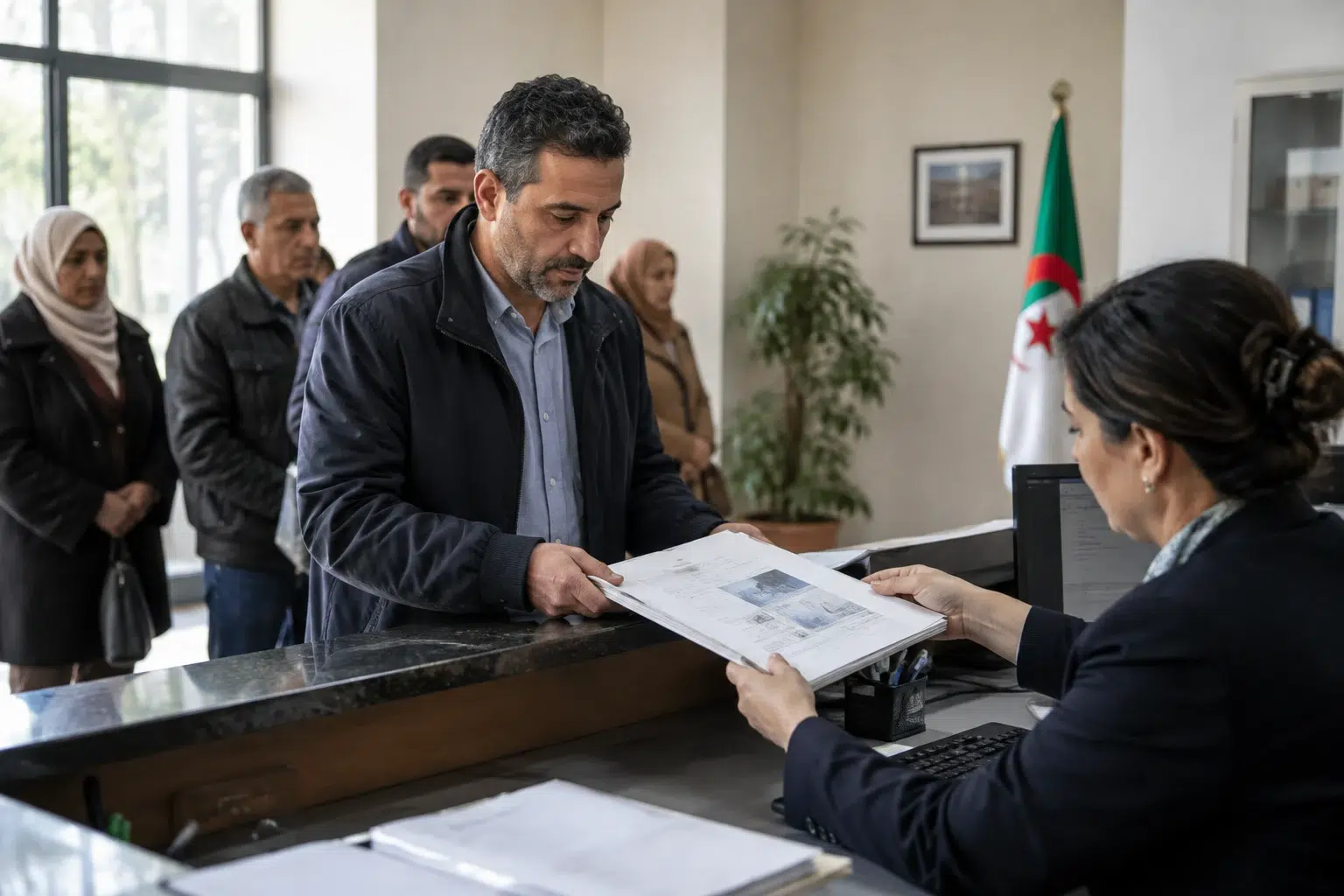
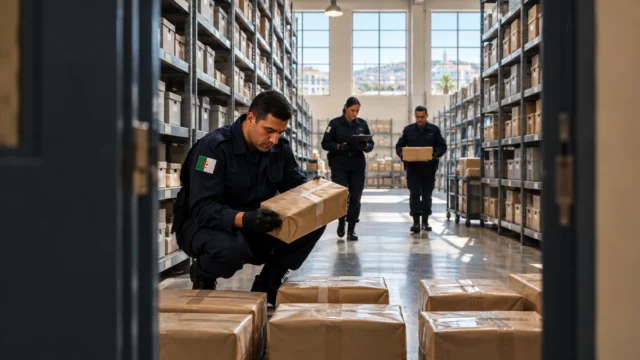
Exporting oil and gas is not enough to capture all the value they can generate. Algeria’s challenge is now to process more of them at home, into fuels and industrial feedstocks. This approach could reduce some imports and broaden markets, but it will depend on the announced projects being delivered.
Closing the gap between production and processing
The hydrocarbons sector plays a central role in Algeria’s export revenues. Yet some products derived from their processing are still imported. The government therefore wants to expand refining and petrochemicals, moving beyond the extraction and sale of crude oil or gas.
The strategy forms part of a broader economic diversification drive pursued by the authorities for several years. In itself, it does not mean the economy will be less dependent on hydrocarbons: the immediate aim is to process more of this resource and develop related industrial activities.
At regional level, Algeria is a member of the Arab Maghreb Union (AMU), a co-operation organisation for North African countries. The country’s oil and gas projects also have implications beyond the organisation, notably through energy trade and links with Mediterranean markets.
A target of more than 50% by 2030
On 17 October 2026 in Algiers, Mohamed Arkab, the minister of state in charge of hydrocarbons, outlined his sector’s priorities to the National People’s Assembly’s finance and budget committee. The hearing took place as part of the examination of the 2027 draft finance bill.
The minister set a target of processing and upgrading more than 50% of primary hydrocarbon production by 2030. He put the current level at around 30%. These figures come from his presentation to MPs, reported by the national news agency APS. The stated rate is therefore a target to be achieved, not a capacity already reached.
The programme includes an investment allocation of $71.6bn for developing the sector by 2030. According to Arkab, $52bn is earmarked for upstream activity — exploration and production — and nearly $13bn for refining and petrochemicals. The figures presented are planned investments, not spending already incurred.
Projects cited include the Hassi Messaoud refinery, a methyl tert-butyl ether (MTBE) unit — a compound used notably in petrol production — and a polypropylene complex in Arzew. A linear alkylbenzene unit is also planned in Skikda. Polypropylene and alkylbenzene are feedstocks for various industrial products.
High revenues, but sensitive to prices
Export figures give an indication of the sector’s weight. Mohamed Arkab said hydrocarbon revenues had reached $37.5bn between January and the end of September 2026. APS and Algerian media outlet TSA reported the figure and the minister’s statement. It is not a final annual figure.
According to the same reports, the increase was explained in part by a 37% year-on-year rise in the average price of Algerian crude oil, to nearly $97 a barrel. The average price of marketed gas was said to have reached about $11.3 per million British thermal units. These figures are a reminder that revenues can rise without locally processed volumes increasing by the same proportion.
The import bill for products derived from hydrocarbons illustrates another challenge. The figure of $400m in 2024, compared with $1bn in 2019, was cited by the minister, according to the reports. In the absence of independent confirmation consulted for this specific data series, it should be treated as a figure provided by the authorities.
The differences between stakeholders matter. For the state and Sonatrach, the state-owned sector group, the issues are revenues, investment and security of supply. For industrial companies, the availability of processed products on the domestic market may be important, provided plants produce at the expected costs and volumes. For households, the effects will depend in particular on prices, employment and product availability.
The construction timetable will be decisive
The Hassi Messaoud refinery and petrochemical units will have an impact only once they have been built and commissioned. Timetables previously announced put some facilities under construction around 2027, but dates can change. The 2030 target therefore depends on the work being completed, its financing and the ability to operate the equipment once it is built.
The programme combines local processing with continued exploration. This reflects an economic rationale: supplying industrial facilities while maintaining hydrocarbon production. It also involves a trade-off over the allocation of capital, since most of the announced funding is still directed upstream rather than towards refining and petrochemicals.
Across Africa, the issue concerns the continent’s place in energy value chains. Algeria intends to sell more processed products, not just raw resources. To assess progress, it will be necessary to track the announced start-ups, the rate actually achieved, imports of processed products and the share of revenues that remains dependent on global prices.