Algeria
 Egypt
 Libya
 Morocco
 Sudan
 Tunisia
 Benin
 Burkina Faso
 Cabo Verde
 Côte d'Ivoire
 Ghana
 Guinea
 Guinea-Bissau
 Liberia
 Mali
 Mauritania
 Niger
 Nigeria
 Senegal
 Sierra Leone
 The Gambia
 Togo
 Cameroon
 Central African Republic
 Chad
 DR Congo
 Equatorial Guinea
 Gabon
 Republic of the Congo
 São Tomé and Príncipe
 Burundi
 Comoros
 Djibouti
 Eritrea
 Ethiopia
 Kenya
 Malawi
 Mauritius
 Mozambique
 Rwanda
 Seychelles
 Somalia
 South Sudan
 Tanzania
 Uganda
 Angola
 Botswana
 Eswatini
 Lesotho
 Namibia
 South Africa
 Zambia
 Zimbabwe
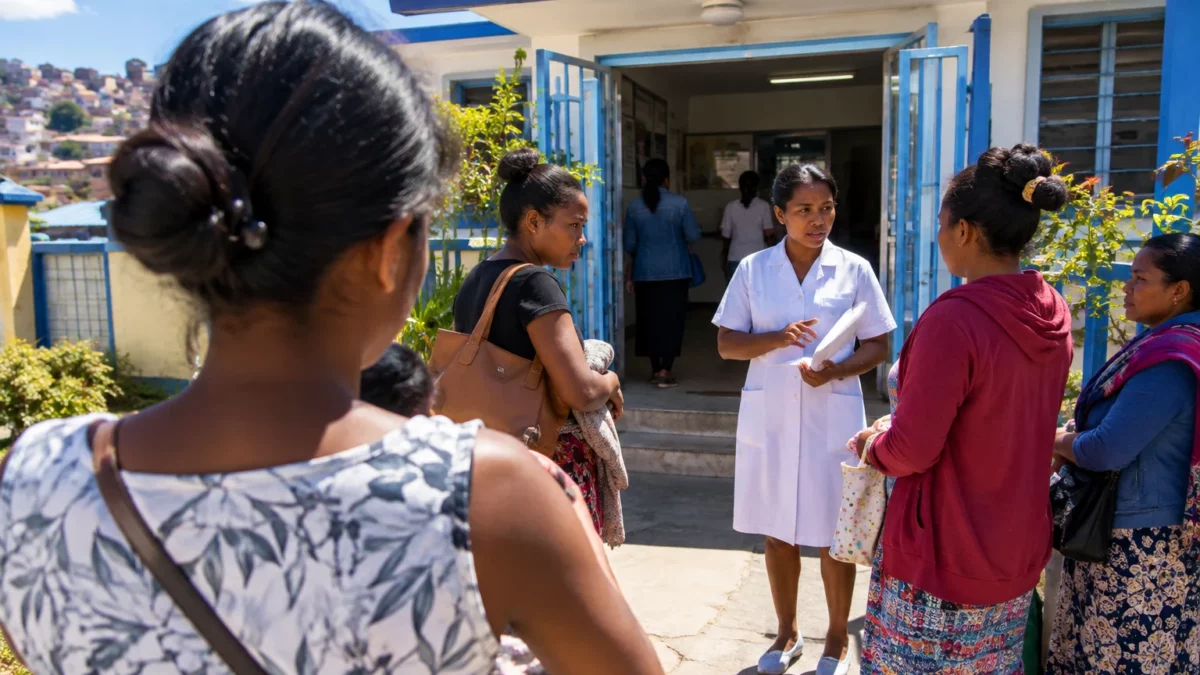
When a pregnancy is unwanted, the possibility of obtaining safe care in Madagascar depends largely on financial means, place of residence and access to a healthcare professional. The criminal law, meanwhile, exposes women and healthcare providers to penalties. This gap between the law and practice has a direct impact on maternal health.
A criminal ban that leaves few options
Article 317 of Madagascar’s Penal Code punishes induced abortion, including when the woman has consented. A woman who ends her own pregnancy faces six months to two years in prison and a fine. Those who perform or facilitate the procedure, including healthcare professionals, risk heavier penalties. The law makes no explicit exception for pregnancies resulting from rape or incest.
The situation is, however, more nuanced than a blanket ban on all medical procedures related to pregnancy. The 2017 law on reproductive health refers to legal conditions for termination on medical grounds. Practitioners have also described the use of therapeutic interventions in situations where the patient’s life is at risk. But this scope for practice does not amount to clear and guaranteed legal access for women. The uncertainty also exposes healthcare providers to criminal liability.
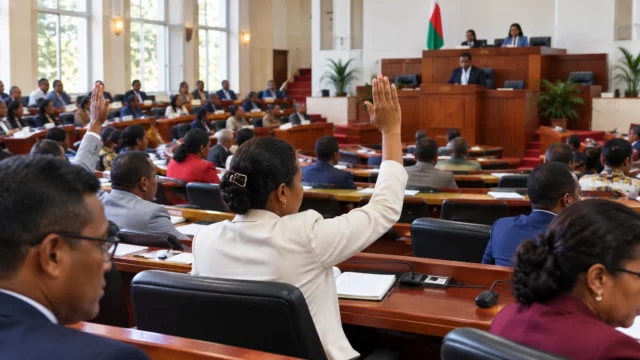
The debate has already reached parliament. In 2021, a proposal sought to authorise termination of pregnancy in cases of danger to the mother’s life, severe fetal abnormality, rape or incest. It was not debated and was set aside amid disagreements between civil society organisations and public opposition from religious leaders.
Figures to be treated with caution
A strategic assessment published in March 2026 by Madagascar’s Ministry of Public Health, with support from the United Nations Population Fund (UNFPA) and the World Health Organization (WHO), estimates that 46 to 63% of unwanted pregnancies end in abortion, often clandestine and unsafe. The report also highlights gaps in access to contraception and post-abortion care.
The same document puts maternal mortality in Madagascar at 408 per 100,000 live births in 2021. It says that adolescents aged 15 to 19 account for 17% of maternal deaths and estimates that 9% of deaths in this age group are attributable to abortion complications. These figures describe distinct realities: they do not support the claim that more than one in ten maternal deaths across the country is due to abortion.
A study published in 2026 confirms that estimates of deaths linked to unsafe abortions vary according to the methods and periods studied. It cites, in particular, an estimate of 11.8% dating from 2012, not a current figure. The distinction is essential: complications are difficult to measure when care is clandestine and women may fear stigma or prosecution.
Highly unequal access to care
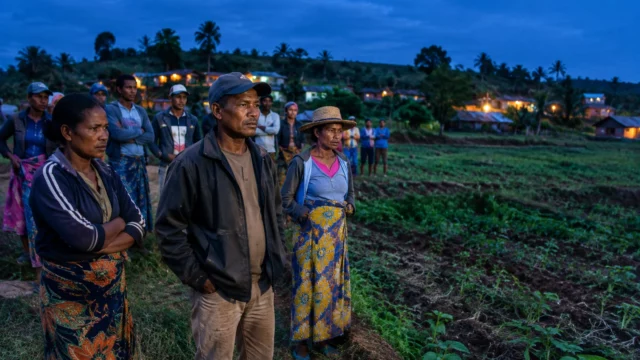
Clandestine procedures do not mean that all women face the same conditions. Fieldwork in Antananarivo and Antsirabe describes access to safer terminations at some private facilities for women who can afford them. Others, particularly those living far from health services or on low incomes, have fewer opportunities to obtain appropriate care quickly.
The 2026 national report identifies several mutually reinforcing obstacles: contraceptive stockouts at basic health centres, distance and transport costs, lack of information and uneven quality of post-abortion care. It estimates that 43% of women in union use a modern contraceptive method, while 15% of married women have an unmet need for contraception. Among sexually active single mothers, the proportion reaches 27%.
The consequences go beyond medical emergencies. An adolescent facing an unplanned pregnancy may leave school or delay seeking care. In rural areas, the distance to a facility can worsen a complication. In cities, the availability of private services does not guarantee that they are affordable. The criminal law also applies to healthcare providers, who may restrict their interventions for fear of penalties.
A national debate with regional implications
The issue pits public health arguments against questions of law, religious beliefs and social norms. The study published in 2026 on reform debates describes a civil society movement divided over which strategies to pursue. This fragmentation has limited the ability of organisations in favour of changing the law to build a common position. Resistance therefore cannot be reduced to a single actor, and reform does not depend solely on changing the law: it also requires public debate and health services able to support patients.
Madagascar is a member of the Southern African Development Community (SADC), a regional co-operation organisation. Unequal access to care and the consequences of unplanned pregnancies also affect other countries in the region, although their laws and policies differ. At continental level, the issue relates to the African Union’s commitments on health and women’s rights, whose implementation depends on national choices.
For the Malagasy authorities, the immediate challenge is also a health one: to strengthen contraception, ensure timely access to post-abortion care and clarify the framework governing medical interventions. The next decisive political step would be whether or not to resume parliamentary debate on reform. In the meantime, the available data call for a distinction between older estimates and recent figures, and for avoiding conflation of overall maternal mortality with deaths linked to abortion.